Man o' War
Actor
Born: March 29, 1917 in Lexington, Kentucky, USA Died: November 1, 1947 Active: 1919-1920 (racing), 1925 (film)
Films
1 film
About Man o' War
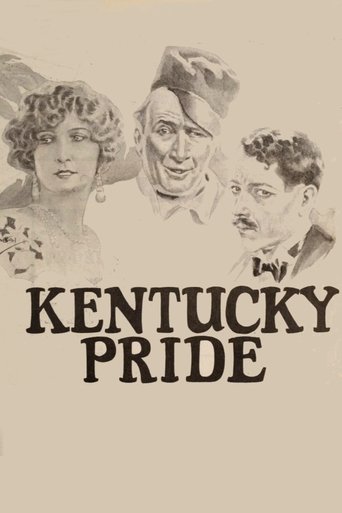
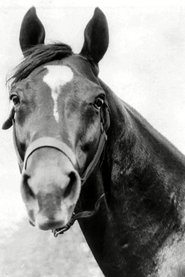
Man o' War was Thoroughbred racehorses in American history, born in 1917 at Nursery Stud near Lexington, Kentucky. During his brief but spectacular racing career from 1919 to 1920, he won 20 of his 21 races and set multiple records that stood for decades. His fame was so immense that he was cast to essentially play himself in John Ford's 1925 silent film 'Kentucky Pride,' making him one of the earliest animal stars in cinema history. After retiring from racing with unprecedented earnings of $249,465, he became sires in Thoroughbred history, producing numerous champion offspring. His larger-than-life persona and dramatic racing style made him a natural for the silver screen, where his authentic performances showcased his incredible speed and power. Man o' War's transition from racetrack legend to film star represented a unique intersection of sports and entertainment in the Roaring Twenties. His death in 1947 was mourned nationwide, cementing his status as an American cultural icon whose influence extended far beyond horse racing.
The Craft
On Screen
Natural and authentic performance as himself, showcasing genuine racing ability and star presence without artificial training
Milestones
- Won 20 of 21 career races
- Set multiple track and world records
- Appeared in Kentucky Pride (1925)
- Became legendary sire producing 64 stakes winners
- Inducted into National Museum of Racing Hall of Fame (1957)
Best Known For
Iconic Roles
Must-See Films
Accolades
Won
- Ranked #1 on Blood-Horse magazine's list of Top 100 Racehorses of the 20th Century (1999)
- American Thoroughbred Horse of the Year (1920)
Special Recognition
- National Museum of Racing and Hall of Fame inductee (1957)
- Man o' War Stakes at Belmont Park named in his honor
- U.S. Postal Service commemorative stamp (1999)
- Kentucky Horse Park statue dedicated in his memory
- Sports Illustrated's 20th Century Athletes list
Working Relationships
Worked Often With
Studios
Why They Matter
Impact on Culture
Man o' War's appearance in 'Kentucky Pride' helped establish the concept of animal stars in Hollywood, paving the way for future equine performers like Trigger and Silver. His crossover from sports hero to film star represented the growing media convergence of the 1920s, where athletic fame could translate to cinematic appeal. The film captured his legendary status for posterity, allowing audiences who had never seen him race to witness his majesty on screen. His participation in cinema helped legitimize horse racing as a subject worthy of artistic treatment in film, influencing subsequent racing movies. Man o' War became a symbol of American excellence and determination during the Jazz Age, embodying the era's fascination with speed, power, and achievement.
Lasting Legacy
Man o' War's legacy extends far beyond his single film appearance, as he remains. His bloodline continues to influence modern Thoroughbred racing, with his descendants counting numerous Triple Crown winners among them. The annual Man o' War Stakes at Belmont Park ensures his name remains prominent in the sport. His film appearance in 'Kentucky Pride' represents an important milestone in the representation of animals in cinema, demonstrating that authentic animal performances could captivate audiences. His story continues to inspire books, documentaries, and scholarly works examining his impact on American culture. The Kentucky Horse Park's permanent exhibit dedicated to him ensures that new generations can learn about his remarkable contributions to both sports and entertainment.
Who They Inspired
Man o' War influenced the film industry by proving that animals could be bankable stars in their own right, leading to more sophisticated animal training techniques and greater respect for animal performers. His success inspired other racing films and helped establish the sports movie genre. His dominance on the track influenced breeding practices for decades, with his bloodline becoming the gold standard for Thoroughbred excellence. The way his racing career was documented and promoted influenced modern sports marketing and media coverage. His crossover appeal demonstrated how athletic achievement could translate to broader cultural significance, influencing how future sports stars would approach entertainment opportunities.
Off Screen
Man o' War was owned by Samuel D. Riddle during his racing career and stood at stud at Riddle's Faraway Farm in Kentucky. He was a chestnut horse with distinctive white markings and stood 16.2 hands tall. Known for his fierce competitive spirit and gentle temperament off the track, he became a beloved national celebrity. His most famous jockey was Clarence Kummer, and his regular exercise rider was Will Harbut. After his death, he was buried at Faraway Farm under a large statue, and his remains were later moved to the Kentucky Horse Park where they remain today.
Did You Know?
- Was named after his owner's service in World War I
- His only loss came to a horse named Upset, creating the term 'upset victory'
- Won the 1920 Belmont Stakes by 20 lengths, one of the largest margins in history
- Could cover a quarter-mile in under 23 seconds, an incredible time for his era
- His heart was estimated to be 2.5 times larger than an average horse's
- Had his own special rail car for travel to races
- Was known to enjoy being photographed and would often pose for cameras
- His daily grain ration was specially formulated and cost the equivalent of hundreds of dollars today
- Once carried 138 pounds to victory, an extraordinary weight for a racehorse
- His funeral was attended by thousands and covered by newspapers nationwide
In Their Own Words
'He could do everything. He was as near to a perfect racehorse as any I have ever seen' - Samuel D. Riddle (owner)
'He was a big, powerful horse, but he had the grace of a cat' - Clarence Kummer (jockey)
'The greatest horse who ever looked through a bridle' - Daily Racing Form
'There will never be another like him' - Will Harbut (groom)
Frequently Asked Questions
Who was Man o' War?
Legendary American Thoroughbred racehorse who won 20 of 21 races and became one of the greatest horses in racing history. He also appeared as himself in the 1925 silent film 'Kentucky Pride,' making him one of the earliest animal stars in cinema.
What film is Man o' War best known for?
Man o' War is best known for his appearance in 'Kentucky Pride' (1925), a John Ford-directed silent film where he played a champion racehorse, essentially performing as himself on screen.
When was Man o' War born and when did he die?
Born March 29, 1917; died November 1, 1947.
What awards and honors did Man o' War receive?
Man o' War was named the #1 racehorse of the 20th century by Blood-Horse magazine, was inducted into the National Museum of Racing Hall of Fame in 1957, and has a prestigious stakes race named in his honor at Belmont Park.
What made Man o' War special as a film performer?
Man o' War's film performance was special because he was naturally charismatic and didn't require artificial training to captivate audiences. His authentic racing ability and star presence made him a compelling subject for the silent film era.