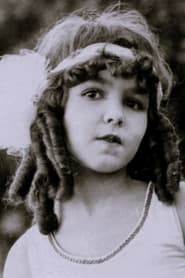
Peaches Jackson
Actor
Born: 1914 in California, USA Died: 2002 Active: 1921-1925 Birth Name: Margaret Jackson
Films
2 films
About Peaches Jackson
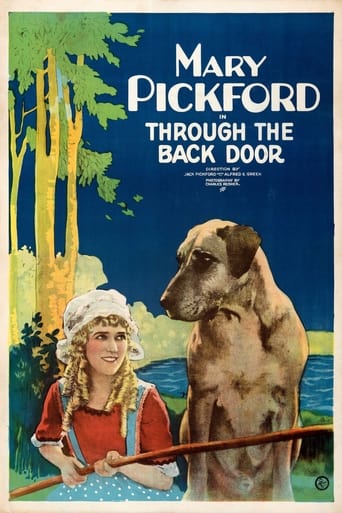
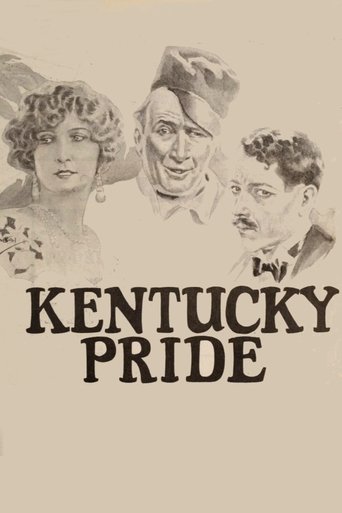
Child actress who worked during the silent film era in the early 1920s. She began her career at a young age, appearing in Mary Pickford's 1921 film 'Through the Back Door,' where she played a small role as a child character. Her most notable appearance came in John Ford's 1925 film 'Kentucky Pride,' where she had a more substantial role as Elizabeth, the daughter of the main character. Jackson's career was brief, spanning only from 1921 to 1925, which was typical for many child actors of the silent era who often left the industry as they grew older. Like many child performers of her time, she did not transition successfully to sound films or adult roles, and her filmography remains limited to these few silent productions. Her work represents the contributions of countless young performers who helped populate the films of early Hollywood but whose careers were often short-lived.
The Craft
On Screen
As a child actor of the silent era, Peaches Jackson would have employed the exaggerated gestures and facial expressions characteristic of silent film performance, using her natural youthfulness and innocence to connect with audiences.
Milestones
- Appeared in Mary Pickford's 'Through the Back Door' (1921)
- Had a notable role in John Ford's 'Kentucky Pride' (1925)
- Worked during the transition period of silent cinema
- Represented the typical child actor career arc of the era
Best Known For
Iconic Roles
Must-See Films
Working Relationships
Worked Often With
Studios
Why They Matter
Impact on Culture
Peaches Jackson represents the countless child actors who populated silent films but whose careers were often brief and largely forgotten by history. Her work with major stars like Mary Pickford and acclaimed directors like John Ford places her within the context of early Hollywood's development. While not a major star herself, her contributions to these films helped create the complete worlds that silent cinema audiences enjoyed. Her career trajectory - brief childhood stardom followed by retirement from the industry - was typical for many child performers of the era and illustrates the challenges young actors faced in transitioning to adult roles.
Lasting Legacy
Peaches Jackson's legacy lies primarily in her contributions to two significant silent films that have survived as historical artifacts. Her appearance in 'Kentucky Pride,' one of John Ford's early works, ensures her place in film history as part of the development of one of America's greatest directors. Similarly, her work with Mary Pickford connects her to one of silent cinema's biggest stars. While she did not achieve lasting fame, her preserved performances provide insight into child acting techniques of the silent era and serve as examples of the many young performers who helped build the foundation of American cinema.
Who They Inspired
As a child actor with a brief career, Peaches Jackson did not have a significant influence on other performers or the film industry. However, her work contributes to our understanding of how children were used in silent films and the types of roles they were given. Her performances, preserved in classic films, continue to be studied by film historians interested in the development of cinema and the treatment of child actors throughout film history.
Off Screen
After her brief film career ended in 1925, Peaches Jackson (Margaret Jackson) returned to a private life away from the entertainment industry. She grew up during the transition from silent films to talkies and did not pursue adult acting roles. Like many child actors of her era, she likely found it difficult to transition to adult roles in the changing film industry. She lived a long life, passing away in 2002 at approximately 88 years old, having witnessed nearly the entire history of cinema from its silent beginnings to the digital age.
Did You Know?
- Her stage name 'Peaches' was a common nickname-based name for child actors in the silent era
- She worked with Mary Pickford, one of the biggest stars of the 1920s, in her first film
- Her most substantial role was in John Ford's 'Kentucky Pride,' one of Ford's early silent films
- Like many child actors of her era, she did not successfully transition to sound films or adult roles
- Her active years covered only four years, which was typical for many silent-era child performers
- She was part of the cast during the peak years of silent film production before the transition to sound
- Her films have survived as important historical documents from the silent era
- She represents the thousands of supporting players who were essential to early Hollywood but rarely remembered by name
Frequently Asked Questions
Who was Peaches Jackson?
Child actress who worked in silent films during the early 1920s, appearing in notable productions like 'Through the Back Door' (1921) and 'Kentucky Pride' (1925). Her real name was Margaret Jackson, and she had a brief but significant career working with major stars and directors of the era.
What films is Peaches Jackson best known for?
Titles linked here include Kentucky Pride (1925), Through the Back Door (1921).
When was Peaches Jackson born and when did she die?
Born 1914; died 2002.
What awards did Peaches Jackson win?
Peaches Jackson did not receive any major awards or nominations during her brief career. Like many supporting child actors of the silent era, her contributions went largely unrecognized by award institutions, though her performances remain preserved in historically significant films.
What was Peaches Jackson's acting style?
As a child actor in silent films, Peaches Jackson would have employed the exaggerated gestures and facial expressions typical of the era, using her natural youthfulness and innocence to convey emotion. Her style would have been influenced by the need to communicate without dialogue, relying entirely on physical performance.
Why did Peaches Jackson's career end so early?
Her career ended around 1925, which was common for child actors of the silent era who often struggled to transition to adult roles. The advent of sound films in the late 1920s also created challenges for many silent-era performers, and like many child actors, she likely chose to pursue a normal life outside the entertainment industry.