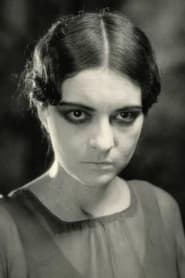
Edna Tichenor
Actor
Born: April 1, 1901 in St. Louis, Missouri, USA Died: November 19, 1972 Active: 1923-1927
Films
2 films
About Edna Tichenor
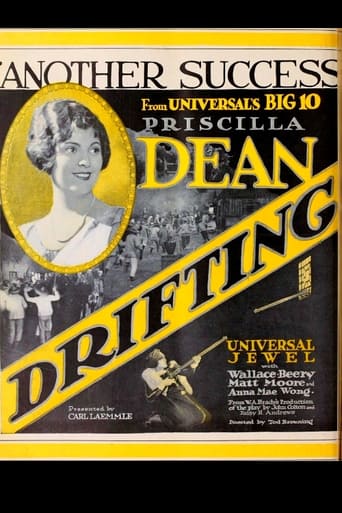
American actress who graced the silver screen during the silent era of Hollywood, primarily known for her striking presence in character roles throughout the 1920s. She began her film career with a notable appearance in Tod Browning's 'Drifting' (1923), which starred Priscilla Dean and Wallace Beery, establishing her as a reliable supporting actress in the studio system. Tichenor developed a particularly strong professional relationship with director Tod Browning, appearing in several of his films including 'The Unholy Three' (1925) and 'The Road to Mandalay' (1926), where she often played distinctive, sometimes eccentric characters that left lasting impressions on audiences. Her performances were characterized by a unique visual style and the ability to transform herself into memorable supporting roles, though she rarely received top billing. As the silent era gave way to talkies, Tichenor's film appearances became less frequent, reflecting the challenging transition many actors faced during this period of cinematic change. Despite her relatively brief time in the spotlight, she contributed to some of the most significant films of the mid-1920s, working alongside major stars like Lon Chaney and Priscilla Dean. Her career, while not extensively documented, represents the typical trajectory of many capable character actresses who helped build the foundation of American cinema during its formative years.
The Craft
On Screen
Edna Tichenor's acting style was characteristic of the silent era's expressive techniques, utilizing exaggerated facial expressions and body language to convey emotion and character depth. She had a distinctive screen presence that allowed her to stand out even in supporting roles, often bringing a sense of mystery or eccentricity to her characters. Her performances were marked by a natural ability to transform visually for different roles, making her particularly effective in character parts that required memorable physical presence.
Milestones
- Breakthrough role in Tod Browning's 'Drifting' (1923)
- Memorable appearance in 'The Unholy Three' (1925) alongside Lon Chaney
- Supporting role in 'The Road to Mandalay' (1926)
- Collaboration with director Tod Browning in multiple films
- Transition from silent films to early talkies
Best Known For
Iconic Roles
Must-See Films
Working Relationships
Worked Often With
Studios
Why They Matter
Impact on Culture
Edna Tichenor's contribution to cinema, while not widely documented in mainstream film history, represents the essential role that character actors played in building the foundation of Hollywood's golden age. Her work in Tod Browning's films places her within the context of some of the most influential and atmospheric movies of the silent era, particularly those exploring darker, more complex themes. As part of Browning's regular company of actors, she helped create the distinctive mood and style that characterized his work, which would later influence the horror and film noir genres. Her performances, though often in supporting roles, contributed to the overall texture and authenticity of films that have become classics of silent cinema.
Lasting Legacy
Edna Tichenor's legacy lies primarily in her contributions to the atmospheric and character-driven films of the mid-1920s, particularly those directed by Tod Browning. While she may not be a household name today, film historians and silent cinema enthusiasts recognize her as part of the ensemble that helped create some of the most memorable films of the era. Her work serves as an example of the many talented supporting actors who were essential to the success of early Hollywood productions, bringing depth and authenticity to even the smallest roles. Her filmography, though brief, includes works that have endured as classics of silent cinema, ensuring her place in film history.
Who They Inspired
As a character actress from the silent era, Edna Tichenor's direct influence on later generations of actors is difficult to trace, but her work exemplifies the importance of supporting performances in creating memorable cinema. Her collaborations with Tod Browning contributed to the development of atmospheric filmmaking techniques that would influence later directors working in horror and suspense genres. The professionalism and versatility she demonstrated in various character roles set a standard for supporting actors in Hollywood, showing how even brief appearances could significantly impact a film's overall quality and emotional resonance.
Off Screen
Edna Tichenor was married to actor and director Robert Tichenor, which led to her sometimes being credited as Edna Tichenor Haskell in later films. Her personal life remained relatively private compared to many Hollywood figures of her era, with limited public documentation about her family life or personal relationships beyond her marriage. After her film career wound down in the late 1920s, she largely withdrew from public life, focusing on her family away from the Hollywood spotlight.
Education
Limited information available about her formal education, typical of many actors from the silent era who often entered films through theater or studio connections rather than formal training.
Family
- Robert Tichenor (1920s-1930s)
Did You Know?
- Often worked with director Tod Browning, appearing in multiple films throughout the mid-1920s
- Sometimes credited as Edna Tichenor Haskell in her later film appearances
- Her film career was concentrated primarily in the years 1923-1927, coinciding with the peak of the silent era
- Appeared in 'The Unholy Three' (1925), which was remade with sound in 1930, though she did not appear in the remake
- Worked alongside horror icon Lon Chaney in several productions
- Her role in 'Drifting' (1923) was one of her earliest and most notable film appearances
- Like many silent film actors, her career declined with the advent of sound pictures
- She was part of Universal Pictures' roster of character actors during the mid-1920s
- Her performances often had a distinctive visual quality that made her memorable even in small roles
Frequently Asked Questions
Who was Edna Tichenor?
American actress who worked primarily in silent films during the 1920s, best known for her character roles in films directed by Tod Browning, including 'Drifting' (1923) and 'The Unholy Three' (1925).
What films is Edna Tichenor best known for?
Titles linked here include Drifting (1923), The Unholy Three (1925).
When was Edna Tichenor born and when did she die?
Born April 1, 1901; died November 19, 1972.
What awards did Edna Tichenor win?
There are no documented major awards or nominations for Edna Tichenor, which was common for many character actors during the silent era when formal award systems were less established.
What was Edna Tichenor's acting style?
Her acting style was characteristic of the silent era, utilizing expressive facial expressions and body language to convey emotion, with a distinctive screen presence that made her memorable in supporting character roles.