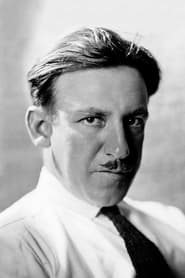
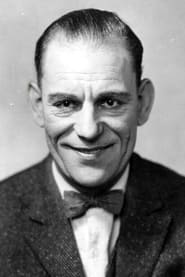
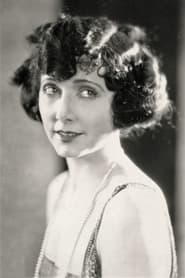
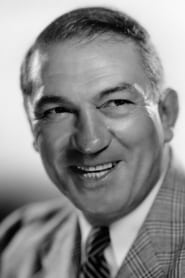
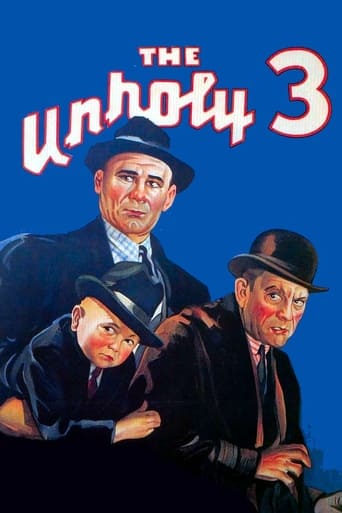
The Unholy Three
"Their weirdest triumph! A carnival of thrills and chills!"
Plot
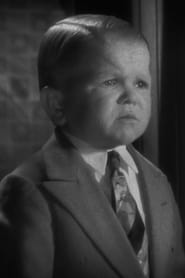
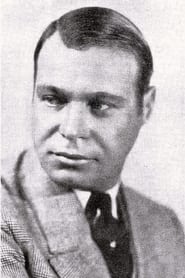
At a carnival sideshow, three performers decide to turn their talents toward crime: Echo, a ventriloquist played by Lon Chaney; Tweedledee, a dwarf; and Hercules, the strongman. They devise a scheme in which Echo poses as a kindly old lady selling birds and pets in a small shop, allowing the trio to observe wealthy customers and lure victims into a web of deception and theft. The plan works smoothly at first, but their criminal partnership becomes increasingly unstable as suspicion, greed, and romance intrude, especially when Echo develops a soft spot for a young woman connected to one of their targets. As the police close in and their elaborate masquerade begins to unravel, the film builds toward a tense climax that exposes the brutal consequences of greed and betrayal. Browning’s story blends melodrama, menace, and pathos, making the underworld of the carnival as psychologically strange as it is criminal.
About the Production
The film is one of Tod Browning’s key collaborations with Lon Chaney and reflects Browning’s long-standing fascination with sideshows, disguises, outsiders, and criminal subcultures. Chaney’s performance, especially as the elderly woman disguise used in the bird shop, became one of the film’s most famous attractions and helped define the movie’s macabre tone. The production is also notable for combining melodrama with crime plotting and for using carnival performers and grotesque imagery as part of the film’s emotional and visual identity. Contemporary publicity emphasized the shock value of the material, and the film was often discussed as an example of Browning and Chaney pushing mainstream silent-era audiences toward stranger, darker subject matter. Some later historical accounts have noted that the film was remade by MGM as a sound film in 1930, reflecting the continuing appeal of the premise.
Historical Background
The film was released in 1925, during the peak of the American silent feature era, when studios were competing on spectacle, star power, and increasingly sophisticated storytelling. It emerged at a time when urban audiences were fascinated by carnival culture, crime narratives, and sensational entertainment, all of which the film combines into a single commercially potent package. MGM was still a relatively new studio and was cultivating prestige through polished productions and major stars such as Chaney. The movie also reflects 1920s anxieties about disguise, fraud, and the instability of social identity, all themes that resonated in a decade marked by rapid modernization, mass entertainment, and changing class boundaries. In hindsight, the film matters because it helped establish Browning’s signature territory: the intersection of the grotesque, the sentimental, and the criminal.
Why This Film Matters
The Unholy Three is widely regarded as one of the defining collaborations between Tod Browning and Lon Chaney and as a major silent-era crime film with strong horror overtones. Its images of carnival outsiders and hidden identities helped shape later cinematic depictions of marginalized performers, con artists, and secret criminal networks. The film is also culturally significant for the way it made makeup and physical transformation central to audience fascination, showing how silent cinema could use visual performance to create both sympathy and unease. Browning’s approach to the bizarre and the taboo would later influence horror filmmaking, especially films interested in monstrosity, empathy, and the social outsider. Today it remains an important reference point in discussions of Chaney’s artistry and the evolution of American genre cinema before the sound era.
Making Of
The Unholy Three was made during the height of Lon Chaney’s fame at MGM, when his extraordinary makeup transformations were a major box-office draw. Tod Browning, who had worked in carnival and vaudeville before entering films, brought an insider’s understanding of sideshow culture to the material, and that authenticity helped shape the movie’s atmosphere. The bird-shop masquerade gave Chaney one of his most famous screen disguises, and the production depended heavily on expressive silent-acting techniques to make the deception emotionally persuasive as well as visually startling. The film also shows Browning’s preference for morally compromised characters and underworld settings, which allowed him to create tension without relying on conventional heroics. Its success reinforced MGM’s willingness to back Chaney in unusual roles and helped cement Browning’s reputation as a director capable of combining commercial entertainment with macabre subject matter.
Visual Style
The cinematography emphasizes visual contrast between the respectable domestic world and the shadowy, deceptive world of the sideshow and the bird shop. Close-ups and carefully staged performance moments are crucial, since the film depends on silent-era facial expression and body language to carry its emotional twists. The camera lingers on Chaney’s makeup transformations and on the contrast between the apparent fragility of his disguise and the predatory intelligence behind it. Browning’s staging often places characters within cramped interiors that heighten feelings of entrapment and duplicity, while carnival and shop settings provide a textured backdrop of oddity and concealment.
Innovations
The film’s major achievement lies in its makeup and visual performance, especially Chaney’s transformation into the elderly bird-shop owner. It demonstrates sophisticated silent-era mise-en-scène, using costumes, props, and cramped interiors to create a believable criminal masquerade. The picture also stands out for its controlled tonal balancing of crime thriller, melodrama, and grotesque comedy, something Browning would refine further in later work. Its success helped confirm that silent cinema could sustain complex, character-driven stories built around disguise and psychological manipulation.
Music
As a silent film, it had no synchronized recorded soundtrack at release. Like most silent features, it would originally have been accompanied by live music in theaters, with cues varying by venue and exhibitor. Surviving presentations today often use reconstructed or newly composed scores tailored to the film’s mood of suspense, pathos, and macabre humor. No original studio-composed soundtrack is definitively documented in surviving standard references.
Famous Quotes
They have a little idea of my methods, but not much.
I think we can make a success of this little bird shop.
Memorable Scenes
- Lon Chaney’s elaborate transformation into an elderly woman running the bird shop, one of silent cinema’s most famous disguise sequences.
- The trio’s carefully staged robberies, which turn a quaint storefront into the center of a criminal enterprise.
- The moments in which Echo’s tenderness and menace collide, revealing the emotional instability beneath the disguise.
- The tension-filled scenes where the outwardly harmless pet-and-bird business masks the operations of a robbery ring.
Did You Know?
- This film reunited director Tod Browning and star Lon Chaney, one of the most important director-star partnerships of the silent era.
- Lon Chaney’s elderly woman disguise in the bird-shop sequence is one of the most celebrated bits of makeup work in silent cinema.
- The film was based on a story associated with Browning’s own favorite subjects: carnival life, deception, and outsiders living on the margins of respectable society.
- The movie was successful enough that MGM remade it as a sound film in 1930 with a different cast.
- The 1925 version survives and is far better known today than the 1930 remake, which is often overshadowed by Chaney’s silent performance.
- Mae Busch, who plays the romantic and morally ambiguous female lead, was frequently cast in tough, streetwise roles during the silent era.
- The film’s blending of crime story, domestic melodrama, and freak-show atmosphere foreshadows motifs Browning would revisit in later work, including Freaks.
- The strongman character played by Matthew Betz highlights Browning’s recurring interest in physical performance and hidden cruelty beneath spectacle.
- Although often remembered for horror associations, the film is fundamentally a crime melodrama with suspense and emotional manipulation rather than a supernatural premise.
- The picture was part of MGM’s early effort to build prestige through high-production-value star vehicles, while also exploiting Chaney’s immense popularity.
What Critics Said
At the time of release, the film was generally well received as an effective and highly unusual entertainment, with reviewers and audiences praising Chaney’s performance and the film’s suspenseful, lurid qualities. Critics recognized the movie’s ability to blend melodrama with grotesque comedy and criminal intrigue, though some found its material sensational or unsettling. In later decades, critics and film historians have treated it as one of Browning’s most important silent works and as a showcase for Chaney’s astonishing range. Modern evaluations often praise the film’s atmosphere, its mix of pathos and menace, and the way it transforms a crime plot into something psychologically strange and emotionally haunting.
What Audiences Thought
The film was a strong audience attraction in 1925, helped greatly by Chaney’s popularity and the public’s appetite for unusual spectacle. Viewers were drawn to the novelty of the sideshow setting, the disguises, and the mixture of romance, crime, and grotesquerie. Its success was substantial enough to justify a remake only a few years later, which suggests that the core premise had wide commercial appeal. Today it remains a favorite among silent-film enthusiasts and viewers interested in classic horror-adjacent crime melodramas.
Film Connections
Influenced By
- Tod Browning’s background in vaudeville and carnival performance
- Silent-era crime melodramas
- Sideshow and dime-museum culture
- Pulp crime stories and sensational newspaper crime reporting
This Film Influenced
- Freaks (1932)
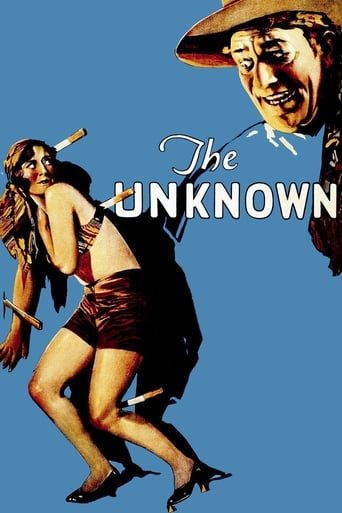
- The Unknown (1927)
- The Black Bird (1926)
- The Unknown (silent-era use of disguise and body-performance as suspense device)
- Later carnival-noir and outsider-centered horror films
You Might Also Like
More Crime Films
View allMore from Tod Browning
View allFilm Restoration
The film survives and is preserved; it is not a lost film. It has circulated in archival and home-video forms and is available in restored or restored-to-good-quality editions from classic-film sources.