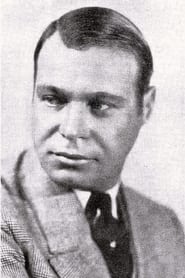
Matthew Betz
Actor
Born: September 13, 1881 in St. Louis, Missouri, USA Died: January 2, 1938 Active: 1914-1937
Films
6 films

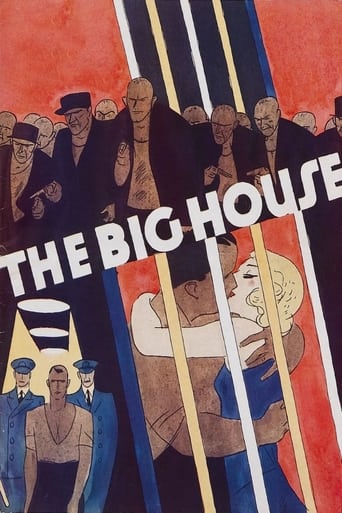
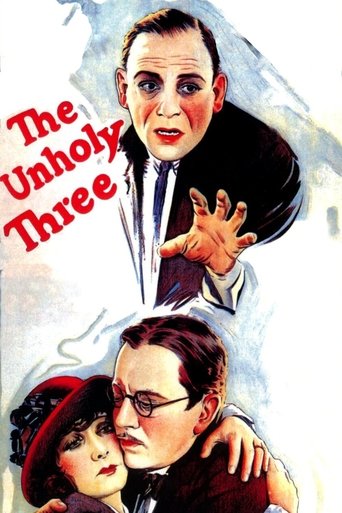
About Matthew Betz
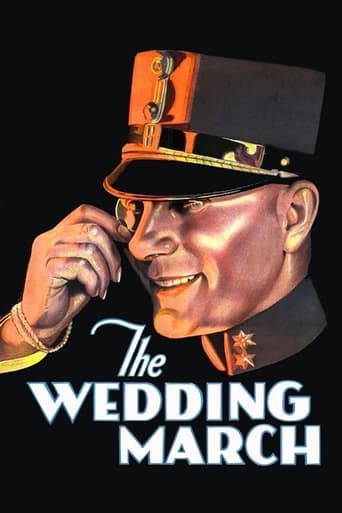
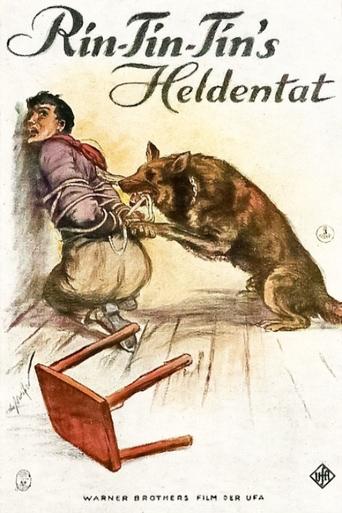
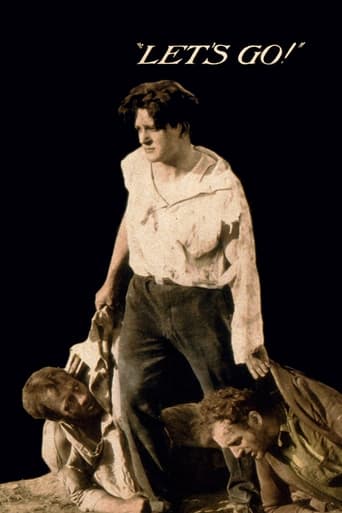
prolific American character actor of the silent film era — known for his imposing presence and frequent portrayals of villains and antagonists. Born in 1881 in St. Louis, Missouri, Betz began his film career in the mid-1910s, appearing in numerous short films before transitioning to feature-length productions in the 1920s. His breakthrough period came between 1923-1926 when he appeared in notable films such as 'Let's Go' (1923), 'The Lighthouse by the Sea' (1924) with Rin Tin Tin, 'Lights of Old Broadway' (1925) starring Marion Davies, and Erich von Stroheim's masterpiece 'The Wedding March' (1926). Betz's distinctive appearance, with his tall frame and stern features, made him a natural choice for playing heavy characters, gangsters, and authority figures throughout his career. He successfully transitioned into sound films in the late 1920s and early 1930s, though his roles became increasingly smaller as his career progressed. By the mid-1930s, he was primarily appearing in uncredited bit parts, and his final film appearance was in 1937. Betz passed away in 1938 in Los Angeles, California, leaving behind a legacy of memorable character performances that helped define the golden age of Hollywood cinema.
The Craft
On Screen
Matthew Betz specialized in portraying intimidating villains and antagonistic characters, utilizing his tall, imposing physique and stern facial features to create memorable screen presences. His acting style was typical of the silent era, emphasizing exaggerated gestures and facial expressions to convey emotion and intent. Betz had a particular talent for playing authority figures, gangsters, and heavies who often served as obstacles to the protagonists. In sound films, he adapted his style to incorporate his deep, commanding voice, though he maintained the same typecasting in villainous roles. His physical presence allowed him to dominate scenes even in supporting capacities, making him a reliable character actor for major studios.
Milestones
- Film debut in 1914 with short films
- Breakthrough role in 'Let's Go' (1923)
- Notable performance in 'The Lighthouse by the Sea' (1924) with Rin Tin Tin
- Appearance in Marion Davies' 'Lights of Old Broadway' (1925)
- Supporting role in Erich von Stroheim's 'The Wedding March' (1926)
- Successful transition to sound films in late 1920s
- Over 70 film appearances in 23-year career
Best Known For
Iconic Roles
Must-See Films
Working Relationships
Worked Often With
Studios
Why They Matter
Impact on Culture
Matthew Betz contributed to the American silent cinema by consistently delivering memorable villainous performances that enhanced the dramatic tension of countless films. His work in the Rin Tin Tin series helped establish the popular animal actor genre, while his appearance in prestigious productions like 'The Wedding March' demonstrated his ability to work with the era's most respected directors. Betz represented the archetype of the reliable character actor who, while never achieving stardom, provided essential support to leading actors and helped define the visual language of silent film villainy. His career trajectory from prominent supporting roles in the 1920s to smaller parts in the 1930s also reflects the broader changes in Hollywood during the transition from silent to sound cinema and the increasing professionalization of the film industry.
Lasting Legacy
Matthew Betz's legacy lies in his substantial body of work that spans the crucial transition period from silent films to talkies, providing modern film historians with valuable examples of character acting from Hollywood's formative years. His performances in over 70 films show the working actor's life during the golden age of Hollywood, illustrating how reliable character performers built careers through consistent, dependable work rather than star power. While not remembered as a major star, Betz's contributions to classic cinema endure through the preservation of his films, particularly his collaborations with iconic figures like Rin Tin Tin and his work in acclaimed productions such as 'The Wedding March'. His career exemplifies the importance of supporting actors in creating the rich, immersive worlds of classic Hollywood cinema.
Who They Inspired
While Matthew Betz did not mentor specific actors who went on to fame, his consistent portrayals of villainous characters helped establish tropes and visual codes for antagonists in American cinema that would influence subsequent generations of character actors. His work in the Rin Tin Tin films contributed to the development of the animal actor genre, showing how human villains could effectively contrast with animal protagonists. His ability to convey menace and authority through physical presence and expression provided a template for future actors specializing in villainous roles during the studio era.
Off Screen
Matthew Betz maintained a relatively private personal life throughout his career in Hollywood. He married actress Ethel Grey Terry in 1925, though the marriage ended in divorce. Beyond his acting career, little is publicly known about his personal interests or activities outside of film work. He lived in Los Angeles during his active years in the film industry, which was typical for actors of his generation. Betz never had children and spent his final years in California before his death from heart disease in 1938 at the age of 56.
Education
No formal acting education documented; likely learned through practical experience in the early film industry
Family
- Ethel Grey Terry (1925-1929)
Did You Know?
- Appeared in over 70 films during his 23-year career
- Often typecast as villains and heavies due to his imposing physical presence
- Worked with famous animal actor Rin Tin Tin in multiple films
- Appeared in Cecil B. DeMille's epic 'The Ten Commandments' (1923)
- Successfully transitioned from silent films to talkies unlike many of his contemporaries
- His final film appearances were in uncredited roles, showing the decline of his career in the late 1930s
- Married actress Ethel Grey Terry, who was also a silent film star
- Died relatively young at age 56 from heart disease
- His active years covered the entire transition period from silent films to established sound cinema
- Never received top billing but was a recognizable face to film audiences of the 1920s
In Their Own Words
No documented famous quotes from Matthew Betz; as a character actor, his work primarily consisted of delivering dialogue written by screenwriters rather than originating memorable lines
Frequently Asked Questions
Who was Matthew Betz?
American character with credits in this catalog. He was particularly recognized for his imposing physical presence and frequent collaborations with major stars like Rin Tin Tin and appearances in prestigious productions such as Erich von Stroheim's 'The Wedding March'.
What films is Matthew Betz best known for?
Titles linked here include The Wedding March (1926), The Lighthouse by the Sea (1924).
When was Matthew Betz born and when did he die?
Born September 13, 1881; died January 2, 1938.
What awards did Matthew Betz win?
Matthew Betz did not receive any major awards or nominations during his career. As a character actor who primarily played supporting roles, he was not typically recognized by award ceremonies, which tended to focus on leading actors and directors during his era.
What was Matthew Betz's acting style?
Matthew Betz specialized in portraying intimidating villains and antagonists, using his tall, imposing physique and stern features to create memorable screen presences. His silent film acting emphasized exaggerated gestures and expressions typical of the era, while in talkies he incorporated his deep, commanding voice to maintain his typecasting as authority figures and gangsters.