The Execution
"A child murderess is led to her execution."
Keys: Space play/pause · ←/→ 10s · F fullscreen · M mute · </> speed
About this film
A child murderess is led to her execution.
Cast & crew
More films like this

More Crime films
View all →


More from Peter Elfelt
View all →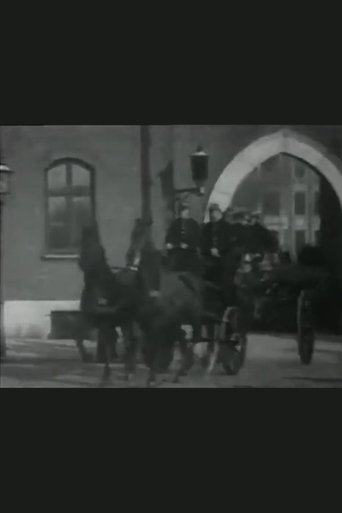
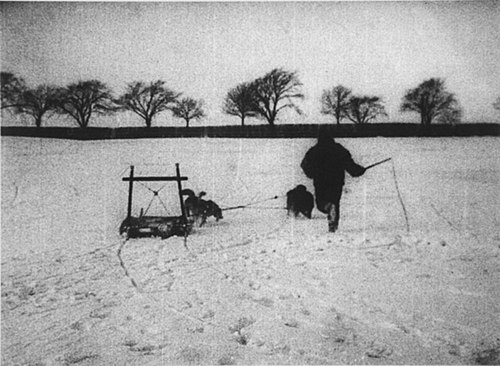
More about this film
About the production
Release date1903
ProductionPeter Elfelt Film Company
Filmed inCopenhagen, Denmark
This was one of Peter Elfelt's earliest narrative films, moving away from his typical documentary style. The film was shot using Elfelt's own camera equipment, which he had modified from French designs. Given the controversial subject matter of child murder and execution, the production faced some initial resistance from Danish authorities. The outdoor scenes were likely filmed on location rather than in a studio, which was common for early Danish films due to limited studio facilities.
Themes
Capital punishmentJustice and retributionMoral consequencesHuman mortalitySocial order
Themes & topics
Historical background
By 1903, distribution was widening and The Execution reached audiences through the theatrical channels dominant before television.
Why this film matters
Restorations and festival bookings keep The Execution visible among classic-film communities.
Making of
The production of 'The Execution' represented a significant artistic leap for Peter Elfelt, who had primarily focused on actuality films and documentaries. The casting of Francesca Nathansen was notable, as she was one of the few women willing to take on such a controversial role in early cinema. The film was shot outdoors in Copenhagen, utilizing natural lighting, which was common before the widespread use of electric lighting in film production. The execution scene required careful staging to suggest the gravity of the moment without being overly graphic, reflecting the sensibilities of the early 1900s audience. The short filming schedule, likely completed in a single day, was typical of the rapid production methods of early cinema.
What critics said
Press files from 1903 mention The Execution in roundup columns of what played that week.
Did you know?
- This is considered one of the first narrative fiction films produced in Denmark, marking a transition from documentary to storytelling in Danish cinema
- Peter Elfelt was actually a photographer by trade and is considered the Danish film pioneer who made the first Danish film in 1897
- The film's extremely short runtime of only 2 minutes was typical of early cinema, where films were often brief vignettes
- Francesca Nathansen, who played the condemned woman, was one of Denmark's first film actresses
- The film was shot on 35mm film using Elfelt's modified French camera equipment
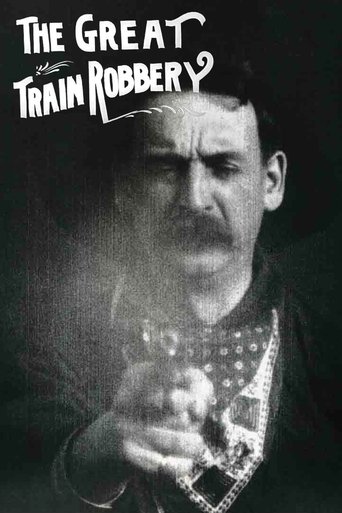
- This film predates many famous early narrative films, including Edwin S. Porter's 'The Great Train Robbery' (1903)
- The execution scene was likely simulated, as actual executions were not filmed during this period
- Elfelt made approximately 200 films between 1897 and 1912, though most are now lost
- The film represents an early example of Danish cinema's willingness to tackle serious social themes
- This film is sometimes confused with other execution-themed films from the early 1900s, but is distinguished by its Danish origin and Elfelt's direction
Visual style
The cinematography of 'The Execution' reflects the technical limitations and aesthetic approaches of early 1900s filmmaking. Shot on 35mm film with Elfelt's hand-cranked camera, the film features the stationary camera positions typical of the era. The outdoor filming utilized natural light, creating a stark, realistic atmosphere that suited the serious subject matter. The composition likely followed theatrical conventions, with actors positioned for maximum visibility within the frame. The black and white imagery would have had high contrast due to the orthochromatic film stock used during this period. The camera work, while basic by modern standards, was sophisticated for its time in its ability to capture the emotional progression of the narrative.
Innovations
While 'The Execution' may not appear technically impressive by modern standards, it represented several achievements for its time and place. The film demonstrated Peter Elfelt's growing mastery of narrative filmmaking techniques, moving beyond simple documentation to tell a complete emotional story. The successful integration of location shooting with dramatic action was notable for early Danish cinema. The film's editing, while basic, effectively conveyed the progression of events and mounting tension. The production also showcased Elfelt's ability to elicit dramatic performances from his actors, a significant challenge in early cinema when performers were still adapting to the new medium. The preservation of this film allows modern viewers to witness the early development of cinematic language.
Music
As a silent film from 1903, 'The Execution' originally had no synchronized soundtrack. During its initial exhibition, the film would have been accompanied by live music, typically a pianist or small orchestra in the theater. The musical accompaniment would have been improvised or selected from existing classical pieces to match the film's somber mood and dramatic progression. In some venues, a narrator might have provided additional context or dialogue. Modern screenings of the film often feature newly composed scores or period-appropriate music to recreate the authentic silent film experience.
Famous quotes
No recorded dialogue exists from this silent film
Memorable scenes
- The final procession scene showing the condemned woman being led to execution, which would have been the emotional climax of this brief but powerful early drama
What audiences thought
Early audiences in 1903 would have found 'The Execution' particularly striking due to its serious subject matter and emotional content, which differed from the typical light entertainment of early cinema. The film's depiction of capital punishment would have resonated with contemporary audiences who were familiar with public executions, which were still practiced in some European countries at the time. The short runtime made it suitable for the variety-style programs common in early cinemas. Modern audiences viewing the film through archives or retrospectives primarily appreciate it for its historical significance rather than its entertainment value, seeing it as an important document of early cinematic development.
Film connections
Influenced by
- Stage melodrama
- Literary traditions of crime and punishment
- Contemporary newspaper accounts of executions
- Early French narrative films
This film influenced
- Subsequent Danish crime dramas
- Early 20th century execution-themed films
- Nordic noir cinema traditions
Film restoration
The film is considered partially preserved, with some sources indicating that elements exist in Danish film archives, though the complete original may not survive. As with many films from this era, preservation is challenging due to the deterioration of early nitrate film stock. The Danish Film Institute maintains records of Elfelt's work and may hold fragments or complete copies of this historically significant production.
Where to watch
- The film may be viewable through the Danish Film Institute's archive collections
- Selected European film archive screenings and retrospectives
- Academic film history collections and university libraries
- Specialized early cinema streaming platforms or DVD collections