No Poster
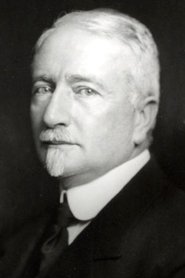
Peter Elfelt
Director
Born: January 1, 1866 in Copenhagen, Denmark Died: February 18, 1931 Active: 1897-1903
Films
4 films
About Peter Elfelt
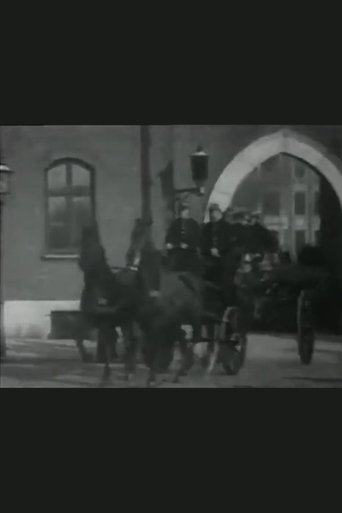
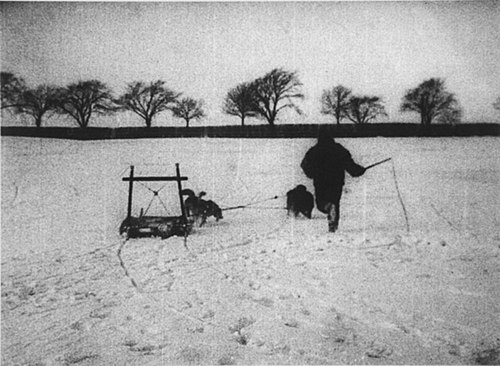
Danish photographer and filmmaker who became one of Denmark's cinema pioneers. After establishing himself as a successful photographer in Copenhagen, he encountered the Lumière brothers' cinematograph in Paris in 1896, which inspired him to enter the emerging field of motion pictures. He purchased his first camera in 1897 and began making documentary-style films capturing everyday Danish life and events. His early works included actuality films like 'Brandvæsenet rykker ud' showing the Copenhagen fire department, and 'Driving with Greenland Dogs' depicting sled dogs in action. Elfelt made history in 1903 with 'The Execution,' which is widely recognized as Denmark's first narrative fiction film and featured actors recreating an actual execution scene. Though his filmmaking career was relatively brief, spanning only about six years, Elfelt's work laid crucial groundwork for the Danish film industry that would flourish in the following decades. After retiring from filmmaking around 1903, he returned to his photography business but remained an important figure in Denmark's film history as its first native filmmaker.
The Craft
Behind the Camera
Peter Elfelt's directing style was rooted in documentary realism and observational cinema, reflecting his background as a photographer. His early films were single-shot, stationary camera captures of real events and activities, typical of the Lumière school of filmmaking. For 'The Execution,' he demonstrated a more sophisticated approach by staging a dramatic narrative with actors, though still maintaining a static camera position and theatrical composition. Elfelt's work showed a keen eye for capturing movement and action, whether filming fire departments at work, dogs pulling sleds, or staged dramatic scenes. His directing was straightforward and functional, focusing on clear visual storytelling rather than elaborate techniques, which was characteristic of early cinema pioneers worldwide.
Milestones
- First Danish filmmaker to produce motion pictures
- Created Denmark's first narrative fiction film with 'The Execution' (1903)
- Documented important Danish events including the Emperor of Russia's visit
- Pioneered early documentary filmmaking in Denmark
- Introduced cinematography to Denmark after seeing Lumière brothers' work
Best Known For
Must-See Films
Accolades
Special Recognition
- Recognized as Denmark's first native filmmaker
- Honored in Danish film history as a cinema pioneer
- His films preserved as important cultural artifacts in Danish archives
Why They Matter
Impact on Culture
Peter Elfelt's cultural impact extends far beyond his brief filmmaking career, as he essentially birthed Danish cinema. His documentary films captured everyday Danish life and significant events, preserving invaluable visual records of Denmark at the turn of the 20th century. 'The Execution' marked a crucial transition from documentary to narrative filmmaking in Denmark, demonstrating the potential of cinema as a storytelling medium. Elfelt's work helped establish Denmark as one of the early centers of European film production, paving the way for the golden age of Danish cinema in the 1910s. His films, though technically simple by modern standards, represent the foundational aesthetic and technical approaches that would define early Danish cinema. By bringing the cinematograph to Denmark and creating the first films by a Danish native, Elfelt played a crucial role in introducing this revolutionary medium to Danish audiences and inspiring subsequent generations of filmmakers.
Lasting Legacy
Peter Elfelt's legacy as Denmark's first native filmmaker is firmly established in film history, though his name remains relatively unknown outside specialist circles. His films, particularly 'The Execution,' are studied as important examples of early European cinema and the transition from actuality films to narrative storytelling. The Danish Film Institute preserves and maintains Elfelt's works as part of Denmark's cultural heritage, recognizing their historical significance. His efforts demonstrated the potential of cinema in Denmark and helped create the foundation for one of Europe's most important early film industries. While Elfelt himself did not continue in filmmaking, his brief but productive period of activity between 1897-1903 represents the birth of Danish cinema. Modern film historians and scholars continue to study his techniques and contributions, recognizing him as a crucial figure in the global development of motion pictures during cinema's first decade.
Who They Inspired
Peter Elfelt influenced the development of Danish cinema primarily through his work and demonstration of what was possible with the new medium of film. His documentary approach influenced subsequent Danish filmmakers in capturing authentic Danish life and culture on screen. 'The Execution' showed that narrative filmmaking was viable in Denmark, encouraging others to explore dramatic storytelling through cinema. While specific filmmakers directly influenced by Elfelt are difficult to trace due to the early period of his work, his techniques and approach can be seen in the work of subsequent Danish directors during the silent era. His documentation of important events like the Emperor of Russia's visit established a tradition of capturing significant moments in Danish history on film. Elfelt's success as an independent filmmaker also demonstrated that cinema could be pursued outside the major European film centers like Paris and London, encouraging regional film production throughout Scandinavia.
Off Screen
Peter Elfelt was born into a middle-class Copenhagen family and showed an early interest in visual arts. He established himself as a successful photographer before venturing into cinema, running a photography studio in Copenhagen. Elfelt was married to Thora Elfelt, though detailed information about their family life is limited. He was known as a meticulous businessman who balanced his artistic pursuits with practical concerns. After his brief but significant filmmaking career, Elfelt returned to photography full-time, where he continued to work until his death. He lived his entire life in Copenhagen and was respected in both the photography and emerging film communities.
Education
Likely received training in photography during the late 19th century, though specific educational details are not documented
Family
- Thora Elfelt (dates unknown)
Did You Know?
- Peter Elfelt was the first person to bring a film camera to Denmark
- His film 'The Execution' (1903) is considered the first dramatic film made in Denmark
- Elfelt was originally a successful photographer before becoming a filmmaker
- He saw the Lumière brothers' cinematograph in Paris in 1896, which inspired his career change
- His films were typically single-shot, stationary camera views, following the Lumière style
- Elfelt made approximately 200 films during his career, though most have been lost
- He stopped making films in 1903, possibly due to lack of commercial success
- His real name was the same as his professional name - Peter Elfelt
- He documented the arrival of Tsar Nicholas II of Russia in Denmark in 1901
- Elfelt's films are preserved by the Danish Film Institute as important cultural artifacts
Frequently Asked Questions
Who was Peter Elfelt?
Danish photographer and filmmaker who is recognized as Denmark's first native filmmaker and a pioneer of early cinema. He made some of the earliest Danish films between 1897 and 1903, including both documentaries and Denmark's first narrative film.
What films is Peter Elfelt best known for?
Titles linked here include The Execution (Henrettelsen) (1903), The Emperor of Russia's Arrival in Elsinore (1901).
When was Peter Elfelt born and when did he die?
Born January 1, 1866; died February 18, 1931.
What awards did Peter Elfelt win?
Peter Elfelt did not receive formal awards during his lifetime, as he worked during the very early period of cinema when such recognition did not exist. He is honored posthumously as a pioneer of Danish cinema and his films are preserved as important cultural artifacts.
What was Peter Elfelt's directing style?
Peter Elfelt's directing style was rooted in documentary realism, typically using stationary cameras and single shots to capture events. His early works followed the Lumière brothers' approach to actuality filming, while 'The Execution' showed his progression toward narrative storytelling with staged scenes and actors.
How did Peter Elfelt influence Danish cinema?
Peter Elfelt essentially birthed Danish cinema by being the first native to make films in the country. His work demonstrated the potential of both documentary and narrative filmmaking in Denmark, paving the way for the country's significant contributions to world cinema in subsequent decades.
Why did Peter Elfelt stop making films in 1903?
While the exact reasons are unclear, Peter Elfelt likely stopped filmmaking in 1903 due to limited commercial success and the challenges of the early film industry. He returned to his successful photography business, which provided more stable income during cinema's uncertain early years.