1928 · 65 minutes

Also available on: Wikimedia
West of Zanzibar

West of Zanzibar

1928 65 minutes United States

"The exact original marketing tagline is not consistently documented in surviving sources; contemporary advertising emphasized Lon Chaney in a story of revenge and jungle mystery."

Revenge and retributionBetrayal and sexual jealousyDisability and bodily transformationPerformance and identityCruelty, guilt, and moral decay

Plot

Phroso, once a famous stage magician and illusionist, is left paralyzed after a brutal fall caused by the treachery of his rival, Crane, and the collapse of his marriage. Crippled physically but hardened emotionally, he rebuilds his life in the African jungle as a sinister showman known as Phroso the Great, where he exploits and manipulates those around him while quietly nursing his vendetta. Years later, he discovers that the young woman known as “Tiny,” a girl raised in the locality, is actually the illegitimate daughter of his former wife and Crane, and he turns her life into part of his revenge scheme. As Phroso’s plan advances, desire, guilt, and cruelty collide in a melodramatic chain of deceptions and revelations, culminating in a violent reckoning that destroys the lives entangled in his obsession. The film moves from backstage theatrical melodrama to lurid jungle spectacle, blending psychological cruelty with exoticized adventure imagery typical of Tod Browning’s darker silent work.

About the Production

Release Date 1928-11-10
Production Metro-Goldwyn-Mayer
Filmed In MGM studios, Culver City, California, Baldwin Lake, California, Bronson Canyon, Los Angeles, California, California desert locations used for jungle and exterior effects

West of Zanzibar was produced during Lon Chaney’s peak years at MGM and reunited him with director Tod Browning, whose fascination with outcasts, deformity, masquerade, and revenge is central to the film’s tone. The picture was built as a highly stylized melodrama rather than a realistic African adventure, with studio backlot sets and American locations standing in for the jungle setting. Production design and makeup were crucial to the film’s atmosphere, especially in Chaney’s transformation into the crippled, morally corrupted Phroso and in the use of stage-show imagery to frame the story. Because the film was made in 1928, it was produced as a silent feature even though sound cinema was arriving rapidly; the film therefore represents one of the last major silent vehicles for Chaney at MGM. Surviving sources note that the film’s title and African setting were intended to signal sensational exotic melodrama, a marketing strategy common to late silent-era exploitation-adventure pictures.

Historical Background

West of Zanzibar was made in 1928, a pivotal year in film history when Hollywood was shifting rapidly from silent cinema to synchronized sound after the success of The Jazz Singer the previous year. Studios were still releasing major silent productions, but the industry was in transition, and films like this one represent the closing flourish of a mature silent style built on visual storytelling, expressive acting, and intertitles. The film also reflects late-1920s Hollywood’s appetite for melodrama set in ‘exotic’ locales, though such portrayals often reveal more about American fantasies and colonial attitudes than about the regions depicted. Within Tod Browning’s career, it is significant as one of the purest expressions of his obsession with deformity, revenge, and social marginality, all filtered through the star persona of Lon Chaney. Historically, it matters as a key example of how silent cinema could still generate psychologically dark, visually elaborate stories even while the industry’s technological foundation was changing beneath it.

Why This Film Matters

West of Zanzibar remains notable as a quintessential Lon Chaney/Tod Browning collaboration, and it helps define the darker end of silent-era melodrama. Its influence is less about direct quotation than about the model it offers for character-driven gothic revenge stories centered on bodily suffering, performance, and moral corruption. The film also contributes to the long history of cinema’s depiction of disability, obsession, and exoticized colonial settings, making it useful today for discussion of both film artistry and the period’s problematic representational norms. For horror and melodrama scholars, it is part of the lineage that runs from stage-and-circus spectacle to later twisted psychological dramas, and it prefigures Browning’s even more famous work with outsiders in films such as Freaks. Because it survives as a compact, intense example of late silent storytelling, it is valued by classic-film audiences and archivists as an important artifact of MGM’s Chaney cycle and of Browning’s singular vision.

Making Of

West of Zanzibar was developed in the context of Tod Browning and Lon Chaney’s long-running creative partnership, which had already produced a series of memorably twisted melodramas. Browning wrote the story and shaped the film around themes he repeatedly explored: physical abnormality, humiliation, revenge, sexual betrayal, and the collapse of moral order. MGM mounted the production as a prestige silent feature, but one still designed to exploit Chaney’s extraordinary popularity and his ability to convey suffering and menace through makeup and body language alone. The production relied on studio illusion to create the jungle world, and the film’s atmosphere was enhanced by theatrical sets, heavy shadows, and expressive compositions that make the story feel more like a fevered nightmare than a realistic adventure drama. Because the film arrived on the eve of the sound era, it also stands as part of the last major wave of high-budget silent star vehicles, with Chaney’s expressive physical style carrying much of the dramatic weight.

Visual Style

The film’s cinematography emphasizes stark contrasts, theatrical blocking, and expressive compositions that underline the story’s cruelty and psychological tension. Silent-era lighting is used to create an atmosphere of shadow and menace, especially in scenes involving Phroso’s transformation, the jungle show environment, and the climactic confrontations. Rather than aiming for realism, the visual style heightens the story’s melodramatic qualities, making spaces feel like stages for revenge, punishment, and revelation. The jungle exteriors and studio-created settings are framed to stress isolation and entrapment, while close views of Chaney’s face and body transform performance itself into a visual special effect. The result is a film whose imagery is as much about emotional distortion as physical geography.

Innovations

The film is notable not for a single technological breakthrough but for its polished late-silent craftsmanship: expressive makeup, stylized lighting, and highly controlled staging designed to carry a complex revenge narrative without dialogue. Chaney’s physical performance functions as a technical achievement in itself, using body language and prosthetic characterization to suggest paralysis, bitterness, and manipulation. The production’s ability to create an exoticized jungle atmosphere within studio resources also demonstrates the era’s sophisticated art-direction techniques. As a late silent film released on the cusp of sound, it shows the mature mastery of purely visual storytelling just before the industry changed permanently.

Music

As a silent film, West of Zanzibar was originally shown with live musical accompaniment that would have varied by theater and exhibition venue. No single universally standardized original score is securely documented as the only authentic accompaniment, though modern presentations sometimes use reconstructed or newly commissioned scores. The film’s dramatic structure strongly invites musical underscoring for suspense, menace, and sentimental revelation, and contemporary screenings often emphasize that quality with period-style orchestral accompaniment. Specific archival details about a definitive premiere score are limited.

Famous Quotes

No widely cited surviving dialogue quote is associated with this silent film, since its story was conveyed through intertitles rather than synchronized spoken performances.
Contemporary intertitle text is not consistently preserved in a standard quote list, so no definitively canonical spoken quote survives.

Memorable Scenes

  • Phroso’s transformation from celebrated performer into a broken, embittered figure whose physical ruin mirrors his moral corrosion.
  • The lurid jungle-show sequences in which the protagonist manipulates the local environment and people as part of his revenge.
  • The revelation that Tiny is connected to Phroso’s old betrayal, turning the melodrama into a story of hidden lineage and moral contamination.
  • The final confrontation in which years of resentment and deception collapse into violent reckoning.

Did You Know?

  • This was one of Lon Chaney’s final silent-era collaborations with Tod Browning at MGM, pairing two of the most important figures in dark silent melodrama.
  • The film is often discussed for its grim and unsparing portrait of revenge, making it one of Browning’s most viciously moral tales.
  • Chaney’s performance relies heavily on physical transformation, makeup, and gesture, since the film was made just as synchronized sound was transforming acting styles.
  • The film’s African setting is largely a studio construction and reflects the era’s highly stylized, often stereotyped approach to ‘exotic’ locations.
  • The character of Phroso is among Chaney’s more psychologically cruel roles, shifting from victim to manipulator rather than remaining sympathetic throughout.
  • The title refers to the geographic setting used in the plot, but the film is not a literal travelogue and instead uses the location as a melodramatic backdrop.
  • The movie was released in the same year as other late silent-era MGM productions that were still being planned and shot before sound became dominant.
  • Surviving stills and lobby materials helped preserve the film’s reputation even as many silent features from the period were lost or degraded.
  • The film is based on a story by Tod Browning himself, illustrating how his recurring themes were often developed from his own narratives rather than adapted novels.
  • Its mixture of circus, revenge, disability, seduction, and jungle spectacle anticipates Browning’s later fascination with boundary-breaking performers and social outsiders.

What Critics Said

Contemporary reception recognized the film as a lurid but compelling star vehicle, with much attention focused on Lon Chaney’s performance and on Browning’s ability to produce macabre emotional intensity. Critics and trade reviewers of the era often emphasized its sensational plot and the strength of its visual drama rather than treating it as a naturalistic story. In later decades, critics have reassessed it as one of Browning’s major silent films, admired for its oppressive mood, ferocious revenge structure, and Chaney’s unsettling physical performance. Modern criticism also notes its dated racial and colonial imagery, which can complicate appreciation of its artistry, but the film is still widely regarded as an essential Chaney title and a key example of Browning’s dark romanticism.

What Audiences Thought

At the time of release, the film likely appealed strongly to audiences drawn to Lon Chaney’s reputation for intense, grotesque, and emotionally charged roles. MGM marketed Chaney as a unique attraction, and audiences in the late silent period were accustomed to melodramatic spectacle, villainy, and sensational twists, all of which the film provides. While specific box-office figures are not readily documented in surviving sources, the film was part of Chaney’s commercially important run at MGM and was intended to perform as a major star picture. Over time, audiences discovering the film through revival screenings, television broadcasts, and home-video editions have tended to respond to its bleak atmosphere, melodramatic excess, and Chaney’s powerful screen presence.

Film Connections

Influenced By

  • Tod Browning’s own recurring fascination with circus, performance, and social outsiders
  • Stage melodrama traditions involving revenge, betrayal, and hidden parentage
  • Silent-era adventure and exotic melodramas popular in the 1920s
  • Theatrical illusion and vaudeville/circus performance imagery

This Film Influenced

  • Freaks (1932)
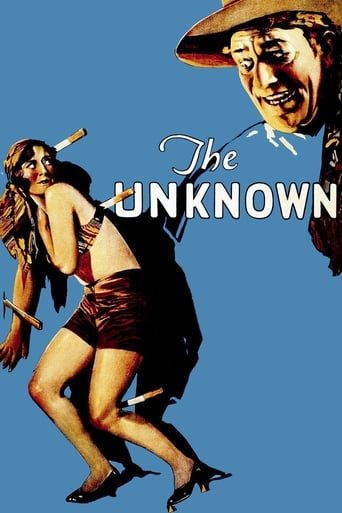
  • The Unknown (1927)
  • The Blackbird (1926)
  • Later psychological revenge melodramas centered on disabled or scarred protagonists

Film Restoration

The film is preserved and survives in archival and home-video circulation; like many silent-era features, it is not known for a pristine universally identical surviving element, but it is not considered lost. Prints and restored presentations have circulated through archives and classic-film distributors, allowing modern audiences to view it.

Themes & Topics

vengeanceillusionistparalysisjungleillegitimacybetrayalmanipulationrevenge scheme