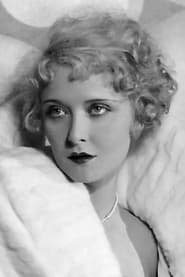
Mary Nolan
Actor
- Born
- December 27, 1905, Louisville, Kentucky, USA
- Died
- October 31, 1948
- Active
- 1926-1930
- Birth name
- Imogene Robertson
Films 2
About Mary Nolan
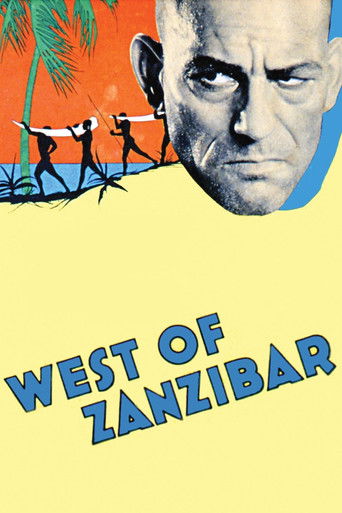
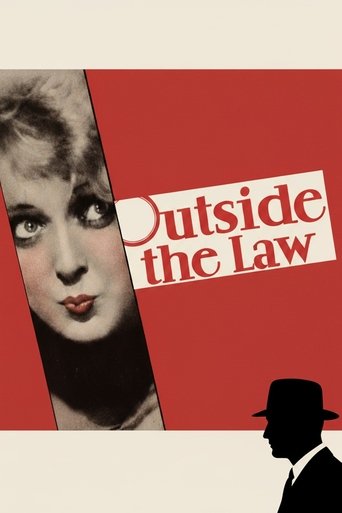
Mary Nolan was an American actress and dancer of the late silent and early sound era, remembered chiefly for her screen presence in provocative melodramas and crime pictures at the end of the 1920s and the start of the 1930s. Born Imogene Robertson in Louisville, Kentucky, she came to prominence first as a Ziegfeld Follies performer under the stage name Imogene 'Bubbles' Wilson, before being renamed Mary Nolan during her Hollywood career. She worked in a film industry that often cast her for her glamour, modern sexuality, and lively temperament, and she appeared in a number of features for Universal and other studios during a brief but eventful screen career. Among her best-known surviving credits are West of Zanzibar (1928) and Outside the Law (1930), both of which place her within the hard-edged world of late silent and early talkie production. Her career was repeatedly disrupted by personal turmoil, studio conflicts, and scandal, and she never achieved the sustained stardom that her early publicity suggested was possible. Nolan died young in 1948, and her name is now most often encountered by classic-film enthusiasts through her association with Tod Browning's West of Zanzibar and other transitional-era pictures. In film history, she is remembered as a vivid example of a performer whose screen persona was tightly bound to the shifting moral and industrial pressures of Hollywood at the end of the silent era.
More about Mary Nolan
On screen
Mary Nolan's acting style was shaped by late silent-era performance conventions: expressive facial acting, physical self-presentation, and a polished, sensuous screen manner that could register both allure and fragility. In surviving and documented roles, she projected a modern, hard-edged femininity suited to melodrama, crime stories, and urban vice pictures. Because her career was short and many of her roles were driven more by persona than by deep character complexity, she is remembered less for subtle psychological technique than for strong presence, visual charisma, and her ability to fit the transitional demands of silent and early sound cinema. Her movement and line delivery were influenced by her stage and revue background, which gave her a theatrical confidence on screen.
In film history
Mary Nolan occupies a distinctive place in late silent-era culture as one of the many performers whose careers were shaped by the collision of vaudeville, Broadway revue, and Hollywood's rapidly professionalizing star system. Her image belonged to a moment when studios packaged women as glamorous modern types while also policing their private lives, and her career illustrates how quickly a performer could rise through publicity and then be undermined by scandal and changing tastes. Although she was never a top-tier star on the order of some contemporaries, her work in West of Zanzibar and Outside the Law links her to key genres of the period: exoticized melodrama, crime drama, and the morally anxious stories that bridged silent and early sound cinema. For later film historians, she is especially valuable as a case study in how transitional-era actresses were marketed, constrained, and sometimes discarded. Her story also reflects the broader fragility of fame in early Hollywood, when a short run of films and a vivid off-screen identity could secure lasting historical interest even without a long career.
Later reputation
Nolan's lasting legacy lies less in awards or a large body of work than in the historical significance of her brief but telling career. She remains a recognizable name among classic-film specialists because she appears in films by important directors and in transitional works that document the move from silent cinema to talkies. Her career is often cited in discussions of Hollywood's treatment of female performers, especially those with stage backgrounds and public reputations that studios found useful but difficult to control. As a result, Mary Nolan endures as a symbol of both the glamour and precariousness of early stardom. Her surviving screen appearances continue to attract attention from historians interested in forgotten actresses, studio publicity, and the economics of fame in the 1920s and 1930s.
Influence
Mary Nolan's direct influence on later actors is difficult to document in a formal way, but her career has had interpretive influence on film historians studying the construction of female celebrity. She exemplifies a type of screen performer whose popularity depended on a carefully managed blend of dance, beauty, scandal, and emotional immediacy. Later scholarship on silent-era actresses and on the transition to sound frequently uses figures like Nolan to illustrate how performance style, publicity, and personal narrative could be intertwined. Her surviving films and publicity material also help shape modern understandings of late-1920s femininity on screen, especially in crime and melodrama genres.
Off screen
Mary Nolan's personal life was marked by instability, publicity, and repeated difficulty with the Hollywood system. She was born Imogene Robertson and later used the stage name Imogene 'Bubbles' Wilson before becoming Mary Nolan in film work. Contemporary and later accounts describe a troubled private life involving relationships, legal problems, and periods of hardship that contributed to her decline in the early 1930s. She was married, but surviving reference sources are inconsistent in the details, and no widely cited, definitive summary of spouses and family life is as securely documented as her film career. Her off-screen reputation was often sensationalized by newspapers and trade papers, which helped shape the public perception of her more than her films did.
Education
No reliable, widely documented formal educational background is consistently cited in standard film reference sources; she is generally described as having entered performance through stage and revue work rather than through a documented academic or conservatory path.
Credits
- Rose to attention as a Ziegfeld Follies performer before entering motion pictures
- Appeared in Tod Browning's West of Zanzibar (1928), one of her best-known surviving films
- Played a memorable role in the early sound-era crime drama Outside the Law (1930)
- Became associated with the glamorous, sensationalized screen image promoted by late-1920s studio publicity
- Worked during the pivotal transition from silent films to talkies, making her career historically significant for that shift
Roles
- The dance-hall/entertainment figure in West of Zanzibar
- The female lead in Outside the Law
- The glamorous modern woman roles that defined her late silent and early talkie image
Films
- West of Zanzibar (1928)
- Outside the Law (1930)
- The Love Parade of 1929-era publicity and revue-style screen appearances associated with her name
- Titles from her late silent period for Universal and related studios
Collaborators
- Tod Browning
- Universal Pictures production personnel associated with late silent and early sound melodramas
Studios
- Universal Pictures
- Ziegfeld Follies
Family
- Uncertain from commonly cited references; details vary across historical sources
Notes
- She was born Imogene Robertson but became better known under the stage name Mary Nolan.
- Before film acting, she performed in the Ziegfeld Follies, which helped launch her into national visibility.
- She was billed at one point as Imogene 'Bubbles' Wilson, reflecting the era's fondness for catchy stage personas.
- West of Zanzibar (1928) is one of the most frequently cited films in discussions of her career.
- Her film career was very brief, spanning only the last years of the silent era and the first years of sound.
- She became part of the sensationalized celebrity culture of late-1920s Hollywood, where publicity often emphasized private scandal as much as professional achievement.
- She is remembered more by historians than by the general public, largely because many of her films are obscure or less frequently screened.
- Her career is a useful example of how stage performers were imported into Hollywood during the studio era.
Questions
Who was Mary Nolan?
Mary Nolan was an American actress and dancer of the late silent and early sound era. Born Imogene Robertson, she first gained notice in stage entertainment before moving into films, where she became known for glamorous, sensual, and often hard-edged screen roles.
What films is Mary Nolan best known for?
She is best known for West of Zanzibar (1928) and Outside the Law (1930). These films are the titles most often cited in film histories when her career is discussed.
When was Mary Nolan born and when did she die?
Mary Nolan was born on December 27, 1905, in Louisville, Kentucky, USA. She died on October 31, 1948.
What awards did Mary Nolan win?
No major awards or widely documented nominations are commonly associated with Mary Nolan. Her significance rests more on her screen persona and her place in late silent and early sound film history than on formal honors.
What was Mary Nolan's acting style?
Her acting style reflected late silent-era conventions, emphasizing expressive physical presence, glamorous bearing, and strong facial emotion. In both silent and early sound work, she projected a modern, alluring persona that suited melodrama and crime pictures.
What is Mary Nolan's legacy in film history?
Mary Nolan is remembered as a striking example of a transitional-era Hollywood performer whose career was shaped by studio publicity, scandal, and the change from silent films to talkies. Her surviving work and publicity story make her a notable figure for historians studying forgotten actresses and the instability of early fame.