1930 · 74 minutes

Also available on: Wikimedia
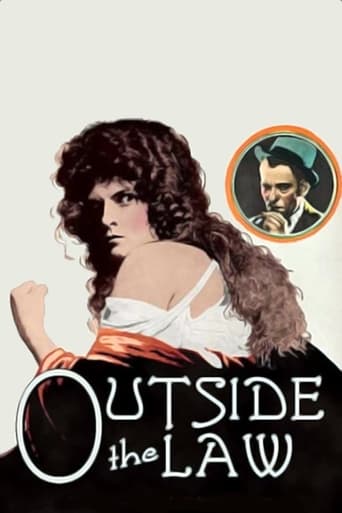
Outside the Law

Outside the Law

1930 74 minutes United States
Criminal loyalty and betrayalMoral ambiguityGangster power strugglesDesperation and survivalFemale mediation within a male criminal world

Plot

Fingers is a small-time gangster who is planning a major bank robbery in the territory controlled by the ruthless crime boss Cobra Collins. His girlfriend Connie tries to protect him by bluffing Cobra into believing the heist will not happen for another week, buying the gang time and delaying retaliation. When the call comes through that the robbery has been moved up, the situation becomes more dangerous, and loyalties inside the criminal underworld are pushed to the breaking point. As the plan unfolds, rival gang members, double-crosses, and the pressure of police attention create mounting tension, leading to a hard-edged climax shaped by betrayal, desperation, and the consequences of living outside the law.

About the Production

Release Date 1930-11-01
Production Universal Pictures
Filmed In Universal Studios, Universal City, California, USA

Outside the Law was produced at Universal during the early sound era, when the studio was regularly adapting and remaking material from its silent-era library while also capitalizing on the public appetite for crime melodramas. Tod Browning, already associated with underworld stories and offbeat characters, brought a grim, compact style to the film that emphasized criminal psychology and street-level menace more than glamour. The film features Edward G. Robinson in one of his early gangster-role performances, helping cement the screen persona that would soon make him famous in Little Caesar. Like many transitional early sound films, it reflects the period's evolving approach to dialogue recording, pacing, and performance style, with some scenes feeling stage-bound by modern standards but still highly effective in mood and tension.

Historical Background

Outside the Law was produced in 1930, at the start of the Great Depression and during a period when American audiences were deeply interested in stories about crime, social instability, and the collapse of trust in institutions. Early sound cinema was still finding its rhythm, and studios were rapidly shifting from silent production methods to dialogue-centered filmmaking, often remaking silent successes to exploit the new technology. The film also belongs to the pre-Code era, before strict enforcement of production censorship, which allowed Hollywood to depict gangsters, guns, and criminal networks with a candor that would soon be restricted. In that context, the movie captures a brief but important moment when Hollywood crime films could be morally ambiguous, stylish, and comparatively uncompromising.

Why This Film Matters

While not as famous as later gangster landmarks, Outside the Law is culturally significant as an early sound-era crime film that helped define the screen vocabulary of the gangster genre. It is also important within Tod Browning's career because it demonstrates how consistently he returned to marginalized, morally compromised worlds long before Freaks made that tendency famous. Edward G. Robinson's presence gives the film added importance in the evolution of the gangster archetype, anticipating the hard-edged, fast-talking criminal types that would dominate 1930s cinema. For historians, the film is valuable as a bridge between silent-era underworld melodrama and the fully developed sound gangster cycle of the early 1930s.

Making Of

Outside the Law was made at a moment when Universal was consolidating its position in the early sound market by revisiting proven crime material. Tod Browning had directed the 1920 silent version, so this 1930 remake reflects both continuity and adaptation: he could refine the story for dialogue while preserving the grim underworld atmosphere that had suited him in the silent era. The production also benefited from Edward G. Robinson's rising reputation as a tough, sharply intelligent character actor; even before Little Caesar made him a star, he was already being used to project urban danger and nervous energy. Because the film was produced during the pre-Code period, it could lean into gangland themes, moral compromise, and a comparatively unsentimental depiction of criminal behavior, all of which gave Browning room to stage a tense, morally murky narrative.

Visual Style

The film's visual style is shaped by early sound-era constraints but still shows Browning's preference for stark, economical staging and shadowy criminal interiors. The cinematography emphasizes enclosed spaces, streetwise tension, and confrontational compositions that keep attention on the power dynamics between characters. Rather than relying on elaborate camera movement, the film builds mood through blocking, close-ups, and the physical presence of the performers. The result is a visually restrained but effective crime film that uses atmosphere and performance to generate suspense.

Innovations

The film's main technical significance lies in its place as an early sound remake of a silent film, illustrating how Hollywood translated established visual material into dialogue-driven storytelling. It reflects the industry's ongoing experimentation with synchronized sound recording, performance timing, and scene construction in the first years after the transition from silence. The production also demonstrates efficient studio filmmaking: a tight runtime, clear narrative focus, and controlled use of sets to support the crime-melodrama structure. Although not technically revolutionary, it is a useful example of early sound-era craft and studio adaptation.

Music

As an early 1930 sound film, Outside the Law does not have a modern-style original orchestral score associated with it in the same way later studio pictures did. Music, where present, is limited to the kind of accompaniment and recorded sound practices typical of the period, with emphasis on dialogue, ambient effects, and dramatic silence. The soundtrack is historically important mainly as part of Universal's early sound craftsmanship rather than as a separately marketed musical component. No widely documented standalone score is known for the film.

Famous Quotes

I could care less about the law when there’s a half-million-dollar job in my territory.
You can bluff a gangster once, but you can’t bluff the whole underworld forever.

Memorable Scenes

  • Connie attempting to bluff Cobra Collins into believing the robbery will not happen for another week, a tense exchange that demonstrates how a single lie can temporarily reshape the balance of power.
  • The moment the call comes through saying the robbery has been moved up, instantly raising the stakes and forcing the characters to react under pressure.
  • The confrontations between gang members in cramped interior settings, where Browning turns simple dialogue scenes into nerve-wracking stand-offs.
  • The climax in which betrayal and criminal self-interest collide, driving the story toward a hard-edged conclusion typical of pre-Code gangster melodrama.

Did You Know?

  • The film is directed by Tod Browning, who would later make Dracula and Freaks, and it already shows his fascination with outsiders, criminals, and characters living on the margins.
  • Edward G. Robinson appears in an early gangster role before his breakthrough success in Little Caesar, making this film an important stepping stone in the development of his screen image.
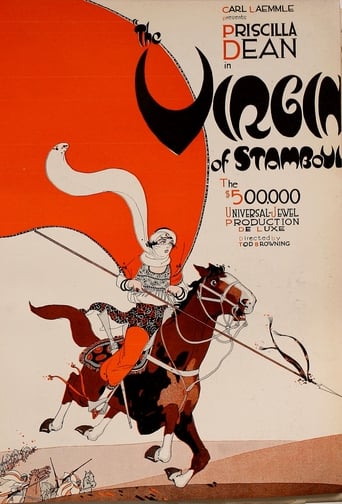
  • Outside the Law is a 1930 sound remake of Browning's own 1920 silent film of the same title, allowing comparison between silent-era and early sound storytelling approaches.
  • The film is part of Universal's early 1930s crime cycle, when gangster pictures were especially popular with audiences.
  • Mary Nolan, who plays Connie, was a notable performer whose screen career was marked by personal scandal and studio-system turbulence, making her casting historically interesting.
  • The title reflects a common pre-Code fascination with criminals, moral ambiguity, and the tension between law enforcement and the underworld.
  • As an early sound picture, it depends more on dialogue-driven confrontations and atmosphere than on elaborate action set pieces.
  • Browning often cast actors whose images carried an undercurrent of vulnerability or menace, and that approach is visible in the film's ensemble.
  • The movie survives and is available through archival and classic-film channels, unlike many early sound films that are lost or incomplete.
  • Its compact running time is typical of early 1930s studio programming, when features were often shorter than later Hollywood norms.

What Critics Said

Contemporary reception was generally shaped by the public's appetite for crime stories and by interest in Browning's return to a familiar title, though the film did not attain the lasting fame of later gangster classics. Critics and viewers at the time tended to respond to its atmosphere, brisk running time, and the tension created by its criminal milieu rather than to any technical bravura. In retrospect, the film is often discussed more as a significant Browning work and as an Edward G. Robinson precursor than as a top-tier gangster film in its own right. Modern critics and archivists value it for its historical placement, its pre-Code frankness, and its connection to the director's silent and early sound career.

What Audiences Thought

Audience response appears to have been modestly favorable within the context of early 1930s crime entertainment, though the film was not a major enduring box-office phenomenon. Like many studio crime pictures of the period, it likely played well to urban audiences interested in gangster stories and quick melodramatic pacing. Its main long-term audience has been classic-film viewers, historians, and enthusiasts of Tod Browning and Edward G. Robinson, rather than a mass contemporary audience. Today it is primarily encountered through repertory screenings, archives, and home-video or streaming access aimed at classic cinema fans.

Film Connections

Influenced By

  • Outside the Law (1920)
  • early silent gangster melodramas
  • urban crime plays and pulp fiction of the 1920s

This Film Influenced

  • Little Caesar (1931)
  • early 1930s gangster cycle
  • later Tod Browning crime and outsider narratives

Film Restoration

The film is preserved and known to survive in archival circulation; it is not generally regarded as a lost film. Surviving prints or preservation elements have allowed the film to be studied by classic-film historians and made available in some classic cinema presentations and releases.

Themes & Topics