Chaz Chase
Actor
- Active
- 1928-1928
Films 1
About Chaz Chase
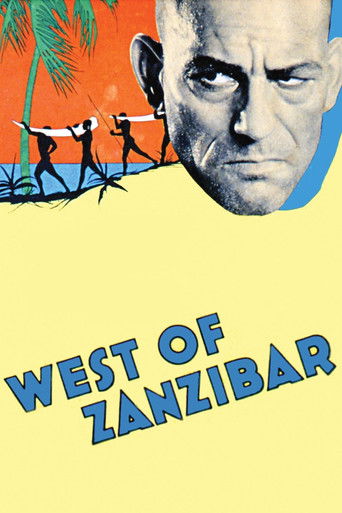
Chaz Chase was an American screen performer who appears in surviving film records as a minor actor associated with the late silent era, with his credited screen activity concentrated in 1928. He is specifically documented in the cast of Erle C. Kenton's West of Zanzibar (1928), a major MGM drama starring Lon Chaney and Lionel Barrymore, which places him within the orbit of one of the period's most famous prestige productions. Beyond that filmography reference, very little verified biographical information has survived in standard reference sources, and he does not appear to have maintained a long or widely documented Hollywood career. Because of the scarcity of reliable documentation, details such as his birth, death, education, and personal life remain unclear, and he should be treated as a lightly documented figure of silent-era film history rather than a major star. His importance today is primarily archival: he is an example of the many working actors whose names persist through studio credits even when the broader contours of their lives have been lost. For database purposes, his known career arc is best understood as a brief, late-1920s screen appearance in an important MGM release rather than a sustained, high-profile acting career.
More about Chaz Chase
In film history
Chaz Chase's cultural impact is limited by the very small amount of surviving documentation about his career, but his name remains part of the historical record of late silent cinema. His presence in West of Zanzibar connects him to one of the period's most discussed and enduring Lon Chaney vehicles, a film often studied for its melodramatic excess, visual style, and performance traditions. In that sense, he contributes to the broader texture of studio-era filmmaking, where even minor credited performers helped shape the ensemble reality of major productions. For historians and database researchers, figures like Chase are important because they illustrate how many working actors participated in classic Hollywood without becoming household names. His legacy is therefore archival and contextual rather than star-driven: he is remembered because his credit survives in a significant film, not because of a large surviving body of work.
Later reputation
Chaz Chase's legacy in film history is primarily as a surviving credit name attached to a landmark silent-era production. Since his filmography is presently only securely associated with 1928, he stands as one of many lesser-known performers whose careers are visible only in fragmentary studio records and cast listings. This makes him valuable to preservationists, historians, and film database researchers who reconstruct the labor history of early Hollywood. His lasting significance is not tied to awards or celebrity, but to the preservation of the cinematic record itself. In that respect, he represents the countless supporting players whose work formed the backbone of studio-era production.
Influence
There is no documented evidence that Chaz Chase directly influenced later actors or directors in a way that can be verified. His broader influence is indirect and historical: by appearing in a major MGM silent picture, he became part of the performance ecosystem that shaped the visual grammar of late silent cinema. For modern researchers, his existence in the record underscores the importance of cast credit preservation and the many unnamed or under-documented artists who contributed to classic film. Any artistic influence he may have had remains untraceable in surviving sources.
Off screen
No reliable biographical record of Chaz Chase's personal life could be verified from standard classic-cinema reference sources. His birth name, family background, marital history, and any children are not documented in the available material used for this profile. Likewise, there is no confirmed information about his schooling, early training, or later life. As a result, his personal history must currently be regarded as unknown in public film records.
Credits
- Credited screen appearance in MGM's West of Zanzibar (1928), one of the notable Lon Chaney films of the silent era
- Participation in a major late-silent-era studio production associated with director Erle C. Kenton
- Documented presence in film credits from 1928, indicating active work during the transitional period immediately before the sound era fully took hold
Roles
- Supporting cast member in West of Zanzibar (1928)
Films
- West of Zanzibar (1928)
Studios
- MGM
Notes
- Chaz Chase is specifically credited in West of Zanzibar (1928), a key late-silent MGM production.
- His known active period in film records is currently limited to a single year, 1928.
- He is not a widely documented star, which makes him a classic example of an archival-era supporting player.
- Because of the sparse record, his birth name may or may not have differed from the screen name Chaz Chase, but no verified alternate name is currently available.
- His surviving credit places him in the orbit of Lon Chaney, one of silent cinema's most famous stars.
- No verified awards, nominations, or studio contract history could be confirmed for him.
- Standard classic-cinema references provide little to no personal-life information about him, suggesting either a very small film career or incomplete preservation of records.
- His limited documentation is itself historically interesting, since many early film workers are known only through cast lists and archival databases.
Questions
Who was Chaz Chase?
Chaz Chase was a little-documented American actor from the late silent era whose known screen activity is centered on 1928. He is primarily remembered for appearing in West of Zanzibar (1928), an MGM film starring Lon Chaney and Lionel Barrymore.
What films is Chaz Chase best known for?
He is best known for West of Zanzibar (1928), the only securely identified credit in the information available for this profile. If additional films existed, they are not clearly documented in the standard reference material consulted here.
When was Chaz Chase born and when did he die?
His birth and death dates are not currently verified in available classic-cinema reference sources. Likewise, his birthplace and other personal details remain undocumented in the material available for this database profile.
What awards did Chaz Chase win?
No awards or nominations could be verified for Chaz Chase. He appears to have been a minor or lightly documented screen actor rather than a decorated star of the silent era.
What was Chaz Chase's acting style?
There is not enough surviving biographical or critical material to describe a distinct, documented acting style. Based on his limited known credit, he should be understood as a supporting silent-era performer rather than an actor with a well-recorded stylistic reputation.
What is Chaz Chase's legacy in film history?
His legacy is archival and historical: he is part of the surviving cast record of a significant late-silent MGM film. While he was not a major celebrity, his credit helps preserve the full performance history of early Hollywood production.