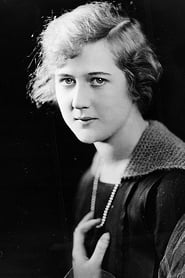
Mary MacLaren
Actor
Born: January 19, 1893 in Pittsburgh, Pennsylvania, USA Died: November 1, 1985 Active: 1916-1927 Birth Name: Mary MacDonald
Films
3 films
About Mary MacLaren
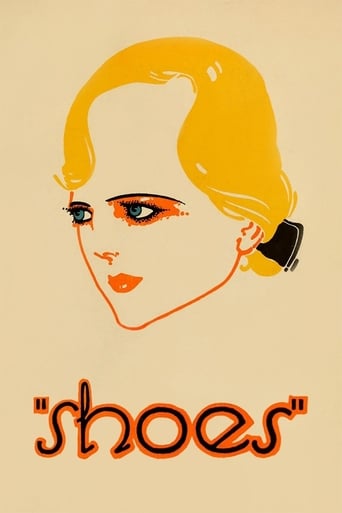
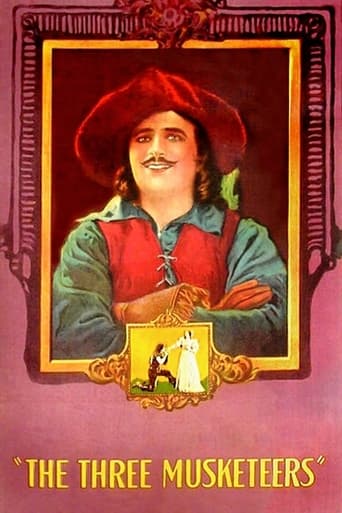
Prominent actress of the silent film era, best known for her collaborations with director Lois Weber. Born in 1893 in Pittsburgh, Pennsylvania, she began her film career in 1916 and quickly rose to prominence with her sensitive portrayal of working-class women. Her breakthrough role came in Lois Weber's controversial social problem film 'Shoes' (1916), where she played a poverty-stricken young woman forced into prostitution to buy new shoes. Throughout the late 1910s and early 1920s, MacLaren appeared in numerous films, often cast as the virtuous heroine or suffering protagonist. She worked with major studios including Universal and Fox, and appeared in adaptations of literary classics such as 'The Three Musketeers' (1921). As the film industry transitioned to sound in the late 1920s, MacLaren's career waned, and she made her final film appearance in 1927. After retiring from acting, she lived a relatively private life until her death in 1985 at the age of 91.
The Craft
On Screen
Mary MacLaren was known for her naturalistic and emotionally nuanced performances, which set her apart from many of her contemporaries in the silent era. She specialized in portraying vulnerable, working-class women with dignity and depth, bringing authenticity to roles that often dealt with social issues. Her expressive eyes and subtle gestures allowed her to convey complex emotions without the benefit of dialogue, making her particularly effective in melodramas and social problem films. MacLaren's acting style was characterized by its restraint and realism, avoiding the exaggerated gestures common in early silent film performance.
Milestones
- Starred in Lois Weber's controversial social problem film 'Shoes' (1916)
- Appeared in the lavish production 'The Three Musketeers' (1921)
- Worked with female director Lois Weber on multiple films
- Became Universal's leading lady in the late 1910s
- Transitioned successfully from short films to feature-length productions
Best Known For
Iconic Roles
Must-See Films
Working Relationships
Worked Often With
Studios
Why They Matter
Impact on Culture
Mary MacLaren's most significant cultural impact came through her work with female director Lois Weber, particularly in films that addressed social issues of the early 20th century. Her performance in 'Shoes' (1916) was groundbreaking in its realistic portrayal of poverty and its effects on women's morality, helping to establish the social problem film as a legitimate genre. MacLaren's dignified portrayals of working-class women helped humanize characters that were often stereotyped or marginalized in contemporary cinema. Her collaboration with Weber represented. Though largely forgotten today, MacLaren's work contributed to the evolving representation of women and social issues in American cinema during a formative period in film history.
Lasting Legacy
Mary MacLaren's legacy lies primarily in her contributions to early American cinema, particularly through her work in social problem films that addressed pressing issues of her time. Her performances in films directed by Lois Weber have been rediscovered by film historians and scholars interested in the role of women in early Hollywood. 'Shoes' in particular has been preserved by the Library of Congress and recognized as culturally significant, ensuring that MacLaren's work remains accessible to modern audiences. While she never achieved the lasting fame of some of her contemporaries like Mary Pickford or Clara Bow, MacLaren represents the important but often overlooked contributions of the many talented actors who helped establish the film industry during its formative years. Her career serves as a reminder of the rich diversity of talent in silent cinema and the important role women played in shaping early film art.
Who They Inspired
Mary MacLaren influenced subsequent generations of actors through her naturalistic acting style, which helped move film performance away from theatrical exaggeration toward greater realism. Her work with Lois Weber demonstrated the potential for more nuanced portrayals of women in cinema, particularly in roles that addressed social and economic issues. While she did not directly mentor other actors, her performances in films like 'Shoes' and 'The Blot' provided early examples of how cinema could address serious social themes through compelling character studies rather than didactic messaging. Film historians and preservationists continue to study her work as part of the broader effort to understand and appreciate the contributions of women to early American cinema.
Off Screen
Mary MacLaren was known to have been married twice, though details about her personal life are relatively scarce. She married first to actor and director Robert Z. Leonard in 1918, though the marriage was short-lived. Her second marriage was to wealthy oilman Henry M. Warner in 1924, which lasted until his death in 1951. Unlike many of her contemporaries, MacLaren maintained a relatively low public profile throughout her career and retirement. She had no children and spent her later years living quietly in California, largely avoiding the spotlight that had once made her a film star.
Family
- Robert Z. Leonard (1918-1920)
- Henry M. Warner (1924-1951)
Did You Know?
- Mary MacLaren was discovered by director Lois Weber while working as a model.
- Her birth name was Mary MacDonald, which she changed to avoid confusion with another actress.
- 'Shoes' (1916), her most famous film, was considered controversial for its frank depiction of poverty and prostitution.
- She was one of Universal's highest-paid actresses in the late 1910s.
- MacLaren retired from films shortly before the transition to sound, possibly anticipating the challenges many silent actors would face.
- Her second marriage to oilman Henry M. Warner made her financially independent for the rest of her life.
- 'Shoes' was selected for preservation in the National Film Registry in 2014.
- She worked with both Lois Weber and her husband Phillips Smalley, two of early Hollywood's most important directors.
- MacLaren often played characters younger than her actual age, with a youthful appearance that served her well in silent films.
- Despite her success, she gave few interviews during her career and maintained a private persona throughout her life.
Frequently Asked Questions
Who was Mary MacLaren?
American actress of the silent film era, best known for her collaborations with on YTB.my. She gained fame for her naturalistic acting style and her portrayals of working-class women in social problem films, most notably in the controversial 1916 film 'Shoes'.
What films is Mary MacLaren best known for?
Titles linked here include Shoes (1916), The Three Musketeers (1921).
When was Mary MacLaren born and when did she die?
Born January 19, 1893; died November 1, 1985.
What awards did Mary MacLaren win?
Mary MacLaren did not receive major formal awards during her career, as many film honors were not established during the peak of her silent film era. Her most significant recognition has come posthumously, with films like 'Shoes' being preserved in the National Film Registry for their cultural significance.
What was Mary MacLaren's acting style?
Mary MacLaren was known for her naturalistic and emotionally nuanced performances, characterized by restraint and realism rather than the exaggerated gestures common in early silent film. She specialized in portraying vulnerable working-class women with dignity and depth, using subtle expressions and gestures to convey complex emotions effectively without dialogue.
How did Mary MacLaren's career end?
Mary MacLaren's film career effectively ended around 1927, just as the industry was transitioning to sound films. Unlike many of her contemporaries who struggled with this transition, she retired voluntarily and married wealthy oilman Henry M. Warner, ensuring her financial security for the remainder of her life.
What was Mary MacLaren's relationship with Lois Weber?
Mary MacLaren had a significant professional relationship with director Lois Weber, who discovered and promoted her early career. Weber cast MacLaren in several of her most important films, including 'Shoes' and 'The Blot,' making MacLaren one of her preferred actresses for socially conscious dramas that addressed contemporary issues affecting women.
Why is Mary MacLaren significant in film history?
Mary MacLaren is significant in film history for her contributions to early American cinema, particularly through her work in social problem films that addressed pressing issues of the early 20th century. Her collaboration with director Lois Weber represented.