Films
2 films
About Thomas Holding
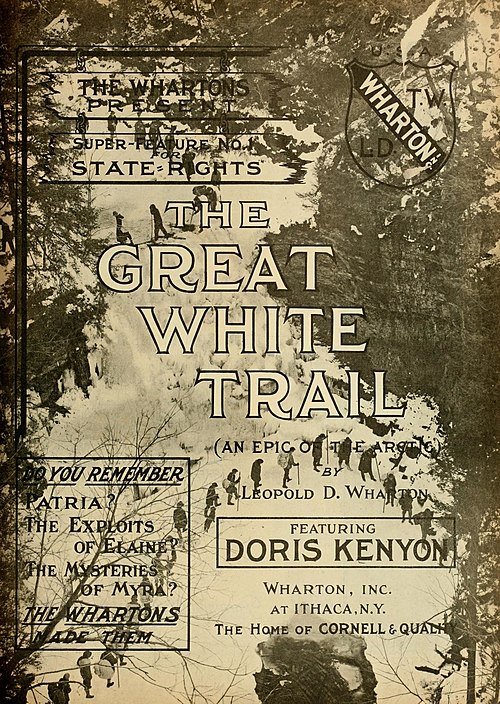
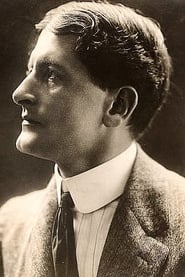
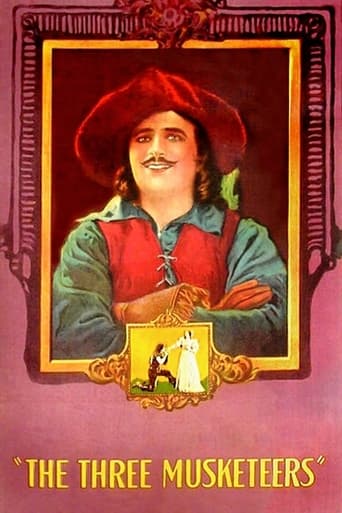
British-born character actor who worked in the silent-film era and early feature period, appearing in both American and international productions. He is best remembered today for supporting and featured roles in adventure and costume pictures, including The Great White Trail (1917) and The Three Musketeers (1921). Holding's screen career came during a time when many stage-trained performers moved into film, and his work reflects the polished, presentational style typical of early cinematic acting. Surviving records on his life are limited, which is not unusual for performers of the silent era whose careers were often documented unevenly. Even so, his filmography places him among the dependable supporting actors of the period who helped give silent features their dramatic weight and period atmosphere. He remained active in films at least from 1917 through 1921, with his known screen appearances concentrated in the late silent years. Because of the scarcity of reliable biographical documentation, many details of his personal life and later career remain uncertain or unverified.
The Craft
On Screen
No detailed contemporary acting analysis appears to survive for Thomas Holding, but his career in silent features suggests a performance style suited to expressive, visually legible acting. Performers of his period typically relied on controlled gesture, clear physical presence, and strong facial expression rather than spoken dialogue. In costume and adventure films especially, actors like Holding were expected to project authority, clarity, and narrative function within ensemble casts. His work likely reflected the stage-influenced but increasingly restrained style that characterized late silent-era supporting performances.
Milestones
- Appeared in the silent adventure film The Great White Trail (1917)
- Appeared in the prestige costume production The Three Musketeers (1921)
- Worked during the transitional era when silent feature films were becoming more elaborate and internationally distributed
- Established himself as a supporting performer in early cinema rather than as a star name
- Contributed to the ensemble cast tradition that was central to silent-era historical and adventure films
Best Known For
Iconic Roles
Must-See Films
Why They Matter
Impact on Culture
Thomas Holding’s cultural impact lies less in stardom than in his participation in the development of silent-era feature filmmaking. Actors like Holding were essential to the period's dramatic storytelling, particularly in adventure, historical, and literary adaptations that depended on ensemble performance. By appearing in productions such as The Three Musketeers, he contributed to the popularization of classic literary material on screen at a time when cinema was solidifying its prestige. His work helps illustrate how silent film relied on a broad company of reliable character players to bring scale and coherence to ambitious productions.
Lasting Legacy
Holding's legacy is primarily archival and historical: he is part of the body of silent-era performers whose names survive in credits even when fuller biographies do not. For film historians, he represents the many competent supporting actors who helped shape early screen acting and supported the expansion of feature-length narrative cinema. His presence in well-known titles gives him a small but meaningful place in the history of silent adventure and costume films. In film database terms, he remains valuable as a documented participant in the maturation of the medium.
Who They Inspired
There is no documented evidence of Thomas Holding having a major direct influence on later actors or directors, but his work reflects the broader performance norms that influenced early screen acting. Supporting players of his generation helped establish the visual grammar of silent film performance through disciplined gesture, timing, and ensemble interplay. His career is an example of the professional standards that later actors inherited as cinema moved toward greater naturalism. While not a widely cited figure of influence, he contributed to the collective craft culture of early film acting.
Off Screen
Reliable publicly documented information about Thomas Holding's personal life is scarce. His marriage history, family background, and later-life circumstances do not appear to be well preserved in commonly cited film references. This absence of information is typical for many silent-era supporting actors whose careers were recorded in trade papers and film credits more often than in full biographical profiles. As a result, his private life remains largely unknown from accessible historical sources.
Education
No verified educational background is readily documented in standard film references. Given the era and his likely stage-to-film pathway, he may have had theatrical training or practical performance experience before entering motion pictures, but this is not confirmed.
Did You Know?
- Thomas Holding is most often encountered today through film credits rather than extensive biographical coverage.
- He was active in the silent era, when many performers moved between stage and screen.
- The Great White Trail (1917) and The Three Musketeers (1921) are among the key titles associated with him.
- He worked during a period when film acting was becoming more refined and less theatrical than in the earliest silent pictures.
- Like many actors of his time, he appears to have been a supporting or ensemble performer rather than a marquee star.
- Documentation about his birth, family, and death is limited, which makes him a somewhat elusive figure in film history.
Frequently Asked Questions
Who was Thomas Holding?
Screen credits include silent films during the late 1910s and early 1920s. He is best known for supporting roles in The Great White Trail (1917) and The Three Musketeers (1921).
What films is Thomas Holding best known for?
Titles linked here include The Great White Trail (1917), The Three Musketeers (1921).
When was Thomas Holding born and when did he die?
His birth and death dates are not readily verifiable in accessible standard film references. The surviving record is limited, so those details remain uncertain.
What awards did Thomas Holding win?
No awards or major honors are currently documented for Thomas Holding in the available historical record. This is common for many silent-era supporting actors, whose contributions were recognized more through their work than formal prizes.
What was Thomas Holding's acting style?
As a silent-era performer, his style would have depended on expressive physical acting, clear gestures, and strong visual presence. Actors of his period often balanced theatrical training with the more restrained demands of the camera, especially in costume and adventure films.
What is Thomas Holding's legacy in film history?
His legacy lies in being part of the supporting cast community that made early feature films work. He is remembered as one of the many reliable silent-era actors whose credited appearances help preserve the history of classic cinema.