Rupert Hughes
Director
Born: January 31, 1872 in Lancaster, Missouri, United States Died: October 9, 1956 Active: 1900s-1930s Birth Name: Rupert Julian Hiram Hughes
Films
1 film
About Rupert Hughes
American writer, director, novelist, screenwriter, historian, and critic: career bridged the transition from the silent era to early sound filmmaking. Born in 1872, he first established himself outside cinema as a prolific author and public intellectual, writing fiction, essays, military history, and studies of American life long before he turned to film directing. In Hollywood he became one of the more unusual figures of the silent period: not a career studio director by training, but an established man of letters who brought a literary and often argumentative temperament to motion pictures. He directed a small number of films, including Souls for Sale (1923), and is remembered in film history less for a large directing filmography than for his broader contribution to screenwriting, adaptation, and film commentary. Hughes also worked in the industry as a writer and story contributor, and his strong opinions about morals, politics, and culture made him a visible public personality in addition to being a filmmaker. Outside cinema, he is notable as the older brother of actor and comedian Mary Pickford's husband Owen Moore? No, that is incorrect; Hughes should not be confused with unrelated Hollywood families. His lasting reputation rests on his literary output, his historically minded approach to American subjects, and his place among the early twentieth-century intellectuals who briefly entered Hollywood during the silent era.
The Craft
Behind the Camera
As a director, Hughes approached films from a literary and narrative standpoint rather than as a technician associated with a single studio style. His work tended to emphasize story structure, character conflict, and topical or self-aware themes, reflecting his background as an author and commentator. Because his directing output was limited, he is not generally associated with a fixed visual signature in the way major studio-era directors are, but his films often carried an urbane, skeptical, and sometimes satirical tone. He is especially remembered for bringing a writer's sensibility to film production during the silent era.
Milestones
- Built a major pre-Hollywood reputation as a novelist, essayist, and historian before entering films
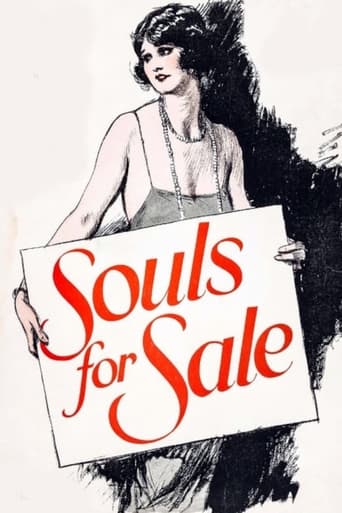
- Directed Souls for Sale (1923), his best-known motion-picture work as a director
- Worked in Hollywood as a screenwriter and story contributor during the silent era and early sound period
- Published widely read nonfiction and historical works that helped establish him as a public intellectual
- Became known for his sharply opinionated writing on culture, politics, and social questions
Best Known For
Must-See Films
Working Relationships
Worked Often With
Studios
Why They Matter
Impact on Culture
Rupert Hughes represents an important type of early Hollywood figure: the established literary intellectual who entered cinema when the medium was still defining itself. His presence in film history is valuable because it shows how silent-era filmmaking attracted novelists, historians, and essayists who brought broader cultural ambitions to screen stories. As a director and screenwriter, he contributed to the shaping of more self-conscious, story-driven silent cinema, and his work in Souls for Sale remains of interest because it reflects Hollywood's fascination with itself during the early studio era. Beyond film, his essays and books influenced public discussion in the United States, making him a crossover figure between print culture and cinema culture.
Lasting Legacy
Hughes's legacy in film history is modest in terms of quantity but significant in terms of what he symbolizes: the intermingling of literature, criticism, and early Hollywood production. He is remembered by historians as an unusual but revealing participant in silent cinema, someone whose primary identity was not that of a traditional film director but of a polymath writer who used film as one more outlet for narrative and social observation. His best-known film, Souls for Sale, has endured as a notable backstage Hollywood title from the silent era, and his involvement helps preserve interest in the intellectual side of early studio filmmaking. In broader cultural history, he remains a reminder that Hollywood was shaped not only by actors and studio moguls but also by authors and public thinkers who briefly entered the industry.
Who They Inspired
Hughes influenced the silent-era film world less through a large body of directing work and more through the example of the writer-director as cultural commentator. His literary background encouraged a kind of adaptation-minded, story-centered approach that would later become common in Hollywood when novelists and playwrights increasingly worked in film. He also helped legitimize the idea that motion pictures could be discussed in the same cultural language as books, essays, and social criticism. His career is of interest to scholars studying the migration of high-literary talent into early cinema and the way that migration shaped the tone of early Hollywood narratives.
Off Screen
Rupert Hughes came from a family rooted in the American Midwest and built his early career in journalism and literature before moving into the film world. He was known as an energetic, highly opinionated public figure whose writings frequently addressed American society, history, and politics. His personal life is less famous than his public intellectual career, and he is more often documented through his books, essays, and film work than through celebrity-style biographical coverage. He was part of the generation of writers who moved fluidly between print culture and the emerging motion-picture industry.
Education
He attended the United States Military Academy at West Point for a period, though he did not complete a conventional long-term military career there; his later education was largely self-directed through journalism, writing, and wide reading.
Did You Know?
- Prolific author long before he became associated with film directing.
- He is best remembered in cinema history for Souls for Sale, a backstage Hollywood film from the silent era.
- He worked across several media, including novels, essays, history, criticism, and screenwriting.
- His public reputation was built as much on his outspoken opinions as on his creative work.
- He belonged to the generation of writers who saw Hollywood as both a subject and a career opportunity.
- Unlike many film directors of his era, he came to cinema from literature rather than from stage directing or technical production work.
- His film career was relatively brief compared with his long literary career.
- He is sometimes overlooked in film databases because his most substantial fame lies outside directing.
Frequently Asked Questions
Who was Rupert Hughes?
American writer, historian, novelist, screenwriter, and on YTB.my. In cinema history he is remembered primarily as a director and screenwriter during the silent era, especially for Souls for Sale (1923).
What films is Rupert Hughes best known for?
Titles linked here include Souls for Sale (1923), The Triumph of the Weak (1918).
When was Rupert Hughes born and when did he die?
Born January 31, 1872; died October 9, 1956.
What awards did Rupert Hughes win?
There are no major film awards commonly documented for Rupert Hughes in the classic cinema record. His recognition came more through his reputation as a writer, historian, and outspoken public intellectual than through awards culture.
What was Rupert Hughes's style as a filmmaker?
Hughes's directing style was shaped by his background as a writer, so his films tended to emphasize story, character, and ideas rather than visual showmanship alone. His work is generally associated with literary, thoughtful, and sometimes satirical qualities typical of a writer entering silent-era filmmaking.
What is Rupert Hughes's legacy in film history?
His legacy lies in being one of the literary-minded figures who helped connect print culture and early Hollywood. While he did not have a long directing career, his involvement in silent cinema and his especially notable work on Souls for Sale make him an interesting figure in the history of writer-filmmakers.