
Frank Mayo
Actor
Born: June 28, 1889 in New York City, New York, USA Died: July 9, 1962 Active: 1911-1926 Birth Name: Frank Blyn Mayo
Films
5 films

About Frank Mayo
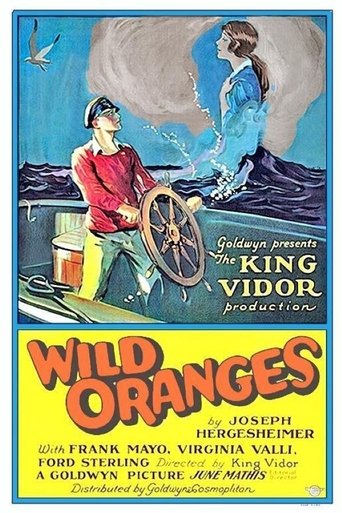
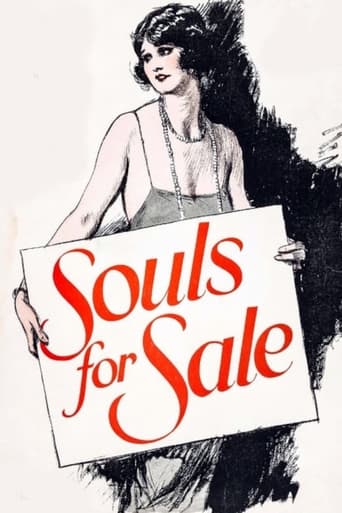
Frank Blyn Mayo — prominent leading man of the silent film era, known for his romantic roles and dramatic performances throughout the 1910s and early 1920s. Born in New York City in 1889, Mayo began his film career around 1911 and quickly rose to prominence as a handsome leading man, appearing in over 50 films during his active years. He worked with major studios of the era including Paramount, Fox, and Universal, often starring opposite popular actresses of the day. His most notable work includes collaborations with acclaimed directors like King Vidor on 'Wild Oranges' (1924) and Rupert Hughes on 'Souls for Sale' (1923). Mayo's career coincided with the golden age of silent cinema, but like many of his contemporaries, he struggled to transition to sound films and made his last screen appearances in 1926. After retiring from acting, he largely disappeared from public life, spending his later years in California until his death in 1962.
The Craft
On Screen
Mayo was known for his romantic leading man style, characterized by expressive gestures and intense emotional delivery typical of silent era actors. He had a commanding screen presence and often portrayed noble, heroic characters in dramatic roles. His acting technique emphasized facial expressions and body language to convey emotion without dialogue, following the conventions of silent film performance.
Milestones
- Film debut in 1911 with Thanh Company
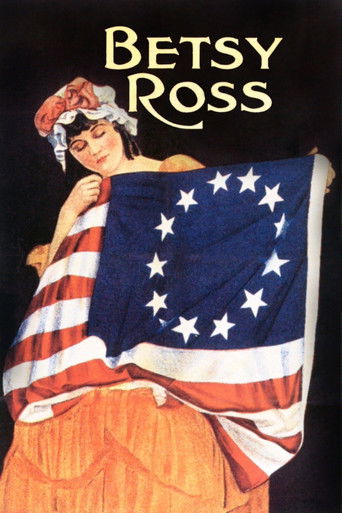
- Leading role in Betsy Ross (1917)
- Starring role in Souls for Sale (1923)
- Collaboration with King Vidor on Wild Oranges (1924)
- Lead role in The Price She Paid (1924)
- Marriage to actress Dagmar Godowsky (1920-1925)
- Final film appearances in 1926
Best Known For
Iconic Roles
Must-See Films
Working Relationships
Worked Often With
Studios
Why They Matter
Impact on Culture
Frank Mayo represented the quintessential leading man of the silent era, embodying the romantic ideals and dramatic intensity that characterized American cinema of the 1910s and 1920s. His work in films like 'Wild Oranges' and 'Souls for Sale' contributed to the development of American dramatic cinema during its formative years. Mayo's career trajectory also illustrates the challenges faced by many silent film actors during the transition to sound, as his type of theatrical acting style became less popular with the advent of more naturalistic performances required by talkies.
Lasting Legacy
Though largely forgotten today, Frank Mayo's filmography provides valuable insight into the evolution of American cinema during the silent era. His performances in surviving films serve as examples of the acting techniques and storytelling methods that defined early Hollywood cinema. His collaboration with notable directors like King Vidor places him within the context of significant artistic developments in film history. Mayo's career arc - from leading man to obscurity - mirrors the fate of many silent era stars who couldn't adapt to the changing demands of the industry.
Who They Inspired
While not widely recognized as a major influence on subsequent generations of actors, Mayo's work contributed to the establishment of the romantic leading man archetype in American cinema. His performances helped establish conventions for dramatic acting in silent films that would influence the next generation of performers. His collaborations with important directors of the era also contributed to the artistic development of American film as an art form.
Off Screen
Frank Mayo married actress Dagmar Godowsky, daughter of pianist Leopold Godowsky, in 1920. Their marriage was highly publicized in Hollywood circles but ended in divorce in 1925. The couple had no children together. After his film career ended, Mayo largely withdrew from the entertainment industry and lived a relatively private life in California. His later years were spent away from the public eye, and he rarely gave interviews or made public appearances after retiring from films.
Education
Limited information available about his formal education, though he likely received some theatrical training before entering films
Family
- Dagmar Godowsky (1920-1925)
Did You Know?
- His real name was Frank Blyn Mayo
- He appeared in over 50 films during his career
- His ex-wife Dagmar Godowsky was the daughter of famous pianist Leopold Godowsky
- He worked with director King Vidor on Wild Oranges
- His career effectively ended with the transition to sound films
- He began his career with the Thanh Company, one of the early American film studios
- He often played romantic leads opposite popular actresses of the silent era
- His final films were made in 1926, just as sound cinema was emerging
- He spent his final years in Laguna Beach, California
- Like many silent actors, he struggled to find work in talking pictures
In Their Own Words
No documented famous quotes from Frank Mayo in the historical record
Frequently Asked Questions
Who was Frank Mayo?
Silent film with credits in this catalog. He appeared in over 50 films during his career but struggled to transition to sound films.
What films is Frank Mayo best known for?
Titles linked here include Betsy Ross (1917), Souls for Sale (1923).
When was Frank Mayo born and when did he die?
Born June 28, 1889; died July 9, 1962.
What awards did Frank Mayo win?
There are no documented awards or nominations for Frank Mayo in the historical record, which was common for many actors of his era during the early days of cinema before major award systems were established.
What was Frank Mayo's acting style?
Mayo's acting style was typical of the silent era, characterized by expressive gestures, intense emotional delivery, and strong facial expressions to convey drama and romance without dialogue. He specialized in playing heroic, noble characters in dramatic and romantic roles.