Hank Mann
Actor
Born: December 28, 1887 in New York City, New York, USA Died: November 25, 1971 Active: 1913-1967 Birth Name: David Lieberman
Films
11 films
About Hank Mann
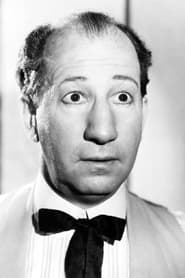
Hank Mann, born David Lieberman, was a silent film comedian and character actor who became one of the original members of the Keystone Cops under Mack Sennett's direction. Beginning his film career in 1913, Mann quickly established himself as a versatile physical comedian with an expressive face and impeccable timing, appearing in numerous Keystone productions alongside Charlie Chaplin, Mabel Normand, and Ford Sterling. Throughout the silent era, he appeared in over 200 short comedies, often playing the bumbling policeman or comic relief character that became his trademark. As the film industry transitioned to sound, Mann successfully adapted his career by taking on character roles, appearing in supporting parts in major films through the 1930s, 40s, and 50s. His remarkable longevity in the industry spanned nearly five decades, during which he appeared in an estimated 400+ films, making him prolific character actors of early Hollywood. Mann's ability to transition from silent slapstick to sound-era character acting demonstrated his remarkable adaptability and enduring talent in the rapidly evolving film industry.
The Craft
On Screen
Hank Mann specialized in physical comedy and slapstick during his silent film era, utilizing exaggerated facial expressions and acrobatic timing as a Keystone Cop. His style was characterized by broad, energetic performances that emphasized visual gags and physical mishaps, typical of the Mack Sennett comedy school. In later sound films, he adapted to a more subtle character acting approach, often playing comic relief roles with a more restrained but still distinctly humorous presence.
Milestones
- Original member of the Keystone Cops comedy troupe
- Appeared in over 400 films throughout his career
- Successfully transitioned from silent films to talkies
- Worked with Charlie Chaplin in multiple Mutual comedies
- Became a recognizable character actor in Hollywood's Golden Age
- Continued acting into his 70s in television and film
Best Known For
Iconic Roles
Must-See Films
Accolades
Special Recognition
- Member of the original Keystone Cops comedy troupe
- Hollywood Walk of Fame star (6145 Hollywood Blvd)
Working Relationships
Worked Often With
Studios
Why They Matter
Impact on Culture
Hank Mann's contribution to early cinema as one of the original Keystone Cops helped establish the foundation for American slapstick comedy and physical humor in film. The Keystone Cops became an representation of early Hollywood comedy, influencing generations of comedians and filmmakers with their chaotic, physically demanding style of humor. Mann's work with Charlie Chaplin during the Mutual period contributed to some of the most influential silent comedies ever made, helping to define the language of visual comedy that would dominate cinema for decades.
Lasting Legacy
Hank Mann's legacy endures through his extensive body of work in silent comedy and his role in establishing the Keystone Cops as cultural icons. His successful transition from silent films to talkies demonstrated remarkable adaptability in an era when many silent stars failed to make the leap. With over 400 film appearances, Mann represents the working actor who quietly shaped Hollywood's Golden Age, providing reliable comic relief and memorable character performances that supported the industry's biggest stars.
Who They Inspired
Mann's physical comedy techniques and timing influenced subsequent generations of character actors and comedians, particularly in the realm of physical humor and ensemble comedy. His work with the Keystone Cops established tropes and visual gags that would be referenced and parodied throughout film history. His longevity in the industry served as a model for character actors seeking to build sustainable careers through adaptability and versatility.
Off Screen
Hank Mann was born to Russian Jewish immigrant parents and grew up in New York City before moving to California to pursue his entertainment career. He married twice during his lifetime, first to actress and fellow Keystone performer Rita Roland, and later to Lillian Mann. Despite his prolific film career, Mann maintained a relatively private personal life, focusing on his craft and adapting to the changing demands of the film industry. He spent his later years in South Gate, California, where he passed away at the age of 83.
Education
Limited formal education; learned his craft through vaudeville and early film experience
Family
- Rita Roland (1915-1925)
- Lillian Mann (1930-1971)
Did You Know?
- Born David Lieberman but changed his name to Hank Mann for his film career
- Was one of the original members of the Keystone Cops comedy troupe
- Appeared in more films than any other actor from the silent era
- Worked with Charlie Chaplin in 12 of Chaplin's Mutual comedies
- Continued acting into his 70s, appearing in television shows in the 1960s
- His Keystone Cops character was often the one who would trip and fall, causing chain reactions
- Was known for being able to take falls and pratfalls without injury
- Served in the U.S. Army during World War I
- Was a founding member of the Screen Actors Guild
- His last film appearance was in 'The Graduate' (1967) as an uncredited extra
In Their Own Words
In the Keystone Cops, we didn't need scripts - we just needed to know who was going to fall first
Working with Chaplin was like going to comedy school every day
The secret to good physical comedy is making it look accidental when it's actually perfectly rehearsed
Silent comedy was pure - we had to tell the whole story with our bodies and faces
Frequently Asked Questions
Who was Hank Mann?
Silent film with credits in this catalog. Born David Lieberman, he appeared in over 400 films throughout his career, successfully transitioning from silent films to talkies and continuing to work in Hollywood for nearly five decades.
What films is Hank Mann best known for?
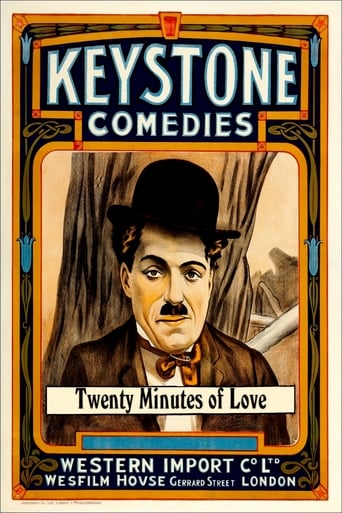
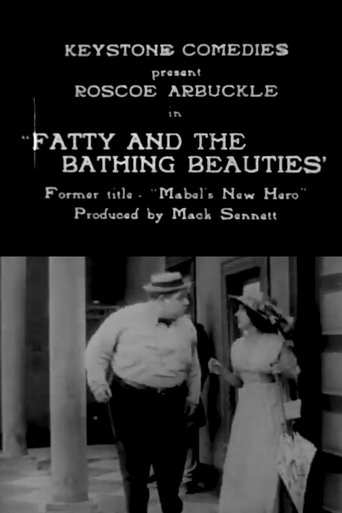
Titles linked here include Mabel's New Hero (1913), Twenty Minutes of Love (1914).
When was Hank Mann born and when did he die?
Born December 28, 1887; died November 25, 1971.
What awards did Hank Mann win?
While Hank Mann did not receive major industry awards during his lifetime, he was honored with a star on the Hollywood Walk of Fame at 6145 Hollywood Blvd for his contributions to film. His recognition primarily comes from his work in early comedy cinema.
What was Hank Mann's acting style?
Mann specialized in physical comedy and slapstick during the silent era, utilizing exaggerated expressions and acrobatic timing as a Keystone Cop. In sound films, he adapted to more subtle character acting, often playing comic relief with a restrained but distinctly humorous presence.