Films
2 films
About William Ryno
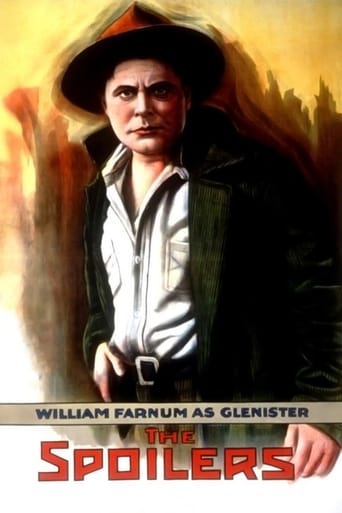
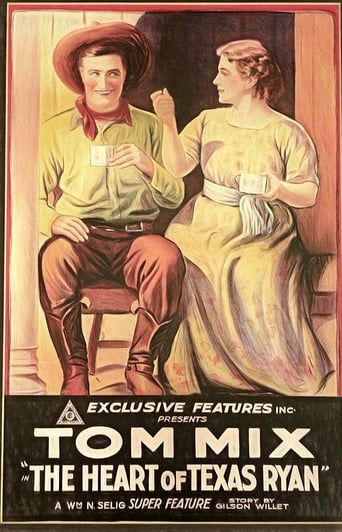
American actor who worked during the silent film era, appearing in a handful of films between 1914 and 1917. His career, though brief, coincided with the golden age of silent cinema when Westerns and adventure films were immensely popular. Ryno appeared in notable productions of the time, including 'The Spoilers' (1914), which was one of the earliest adaptations of Rex Beach's popular novel and was remade multiple times throughout film history. His role in 'The Heart of Texas Ryan' (1917) further established him within the Western genre that dominated early American cinema. Like many actors of his era, Ryno's career was likely impacted by the transition to sound films in the late 1920s, which ended the careers of numerous silent era performers. His filmography, while limited, represents the type of character actor who populated the supporting roles of early Hollywood productions, helping to establish the foundational storytelling techniques that would define American cinema.
The Craft
Milestones
- Appeared in 'The Spoilers' (1914), an early adaptation of a popular Western novel
- Featured in 'The Heart of Texas Ryan' (1917)
- Worked during the silent film era's peak years
Best Known For
Iconic Roles
Must-See Films
Why They Matter
Impact on Culture
William Ryno represents the countless supporting actors who were essential to the silent film era's success but whose names have largely faded from cinema history. His participation in early adaptations of popular Western novels like 'The Spoilers' contributed to the establishment of genre conventions that would define American Western cinema for decades. The fact that 'The Spoilers' was remade multiple times (including versions starring Gary Cooper and John Wayne) demonstrates the lasting cultural significance of the stories he helped bring to the screen, even if his individual contributions have been largely forgotten by mainstream film history.
Lasting Legacy
William Ryno's legacy is primarily as a representative example of the working actors who populated silent films and helped establish Hollywood's early success. His brief filmography during 1914-1917 places him within a crucial period of American cinema development, when the industry was transitioning from short films to feature-length productions. While he did not achieve lasting fame, his work in films like 'The Spoilers' contributed to the early cinematic canon that would influence generations of filmmakers and actors who followed.
Who They Inspired
As a supporting actor during the silent era, William Ryno's direct influence on subsequent generations of performers is difficult to trace. However, actors like him helped establish the archetypes and performance styles that would evolve throughout film history. The Western genre, in which he appeared, would continue to be one of Hollywood's most enduring genres, with the foundations laid by early performers like Ryno influencing countless actors who followed in similar roles.
Off Screen
Very little is documented about William Ryno's personal life, which was common for many supporting actors of the silent era who did not achieve star status.
Did You Know?
- William Ryno's active years covered only three years according to available filmography records
- 'The Spoilers' (1914) was one of the earliest film adaptations of Rex Beach's 1909 novel
- The story of 'The Spoilers' would be remade at least five times, including versions in 1930, 1942, and 1955
- William Ryno worked during the peak years of silent film production before the industry transition to sound
- Like many silent era actors, his career appears to have ended before the sound revolution of the late 1920s
- The Heart of Texas Ryan (1917) was based on a story by William MacLeod Raine, a popular Western writer of the time
Frequently Asked Questions
Who was William Ryno?
American with credits in this catalog. He is known for his roles in 'The Spoilers' (1914) and 'The Heart of Texas Ryan' (1917), primarily working in the Western genre that was popular during early American cinema.
What films is William Ryno best known for?
Titles linked here include The Spoilers (1914), The Heart of Texas Ryan (1917).
When was William Ryno born and when did he die?
Unfortunately, specific birth and death dates for William Ryno are not readily available in historical records, which is common for many supporting actors from the silent era who did not achieve star status. His known film active years covered from 1914 to 1917.
What awards did William Ryno win?
There are no records of William Ryno receiving any major awards or nominations during his brief career. This was typical for many supporting actors of the silent era, as major award ceremonies like the Academy Awards were not established until 1929, after his known film career had ended.
What was William Ryno's acting style?
Specific details about William Ryno's acting style are not well-documented, which is common for supporting actors from the silent era. However, as a performer in Western films during 1914-1917, he likely employed the exaggerated physical acting techniques typical of silent film performance, relying on body language and facial expressions to convey emotion without dialogue.