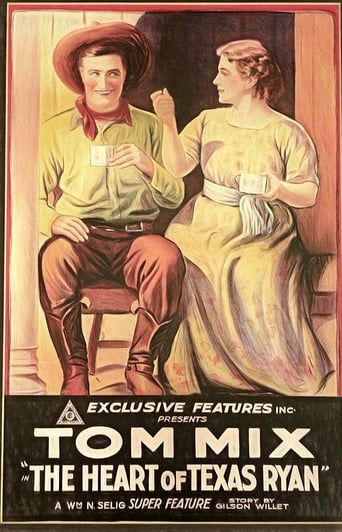
Films
1 film
About E.A. Martin
Filmmaker active during the silent era of American cinema, known primarily for directing the 1917 western film 'The Heart of Texas Ryan.' His career appears to have been exceptionally brief, with 1917 being the only recorded year of his directorial activity. Martin worked during a transitional period in early Hollywood when the film industry was still establishing itself as a major cultural force. His single known directorial effort was part of the prolific western genre that dominated American cinema during the 1910s. Like many directors from this period, Martin's work was likely influenced by the dramatic storytelling techniques and visual innovations pioneered by D.W. Griffith and other early cinema pioneers. The limited documentation of his career suggests he may have been one of the countless filmmakers who contributed to the rapid expansion of early Hollywood but whose careers were cut short by the industry's competitive nature or the transition to sound cinema.
The Craft
Behind the Camera
Likely employed the visual storytelling techniques common to silent era directors, emphasizing action and visual drama typical of early western films
Milestones
- Directed 'The Heart of Texas Ryan' (1917)
- Contributed to early American western cinema during the silent era
Best Known For
Must-See Films
Why They Matter
Impact on Culture
E.A. Martin represents the numerous anonymous contributors to early American cinema whose individual works, while not widely remembered today, collectively shaped the development of the film industry. His participation in the western genre during its formative years contributed to the establishment of one of Hollywood's most enduring and influential genres. Directors like Martin were essential to the rapid expansion of film production during the 1910s, a period when the industry was transitioning from novelty to serious artistic medium.
Lasting Legacy
While E.A. Martin's individual legacy is minimal due to the brevity and obscurity of his career, he represents the thousands of early filmmakers who laid the groundwork for Hollywood's Golden Age. His work on 'The Heart of Texas Ryan' stands as proof of the prolific nature of early American film production, where countless directors contributed to the medium's evolution. The very existence of his film demonstrates how the western genre was already established and popular by 1917, setting the stage for the genre's later golden era.
Who They Inspired
Given the limited scope of Martin's known work, his direct influence on subsequent filmmakers is difficult to trace. However, like all directors of the period, he contributed to the development of cinematic language and genre conventions that would influence generations of filmmakers. His work in the western genre would have been part of the collective effort that established the visual and narrative tropes that defined American westerns for decades to come.
Off Screen
Very little is documented about E.A. Martin's personal life, reflecting the common fate of many early cinema figures whose biographical details were not preserved in historical records.
Did You Know?
- E.A. Martin's entire known directorial active years covered only one year - 1917
- 'The Heart of Texas Ryan' appears to be his only surviving directorial credit
- He worked during the peak years of silent film production before the industry was centralized in Hollywood
- The film he directed was part of the extremely popular western genre of the 1910s
- Like many early filmmakers, Martin's biographical details have been largely lost to history
- His career coincided with America's entry into World War I, a period that significantly impacted the film industry
- The lack of documentation about his career is typical of many directors who worked for smaller production companies during the silent era
Frequently Asked Questions
Who was E.A. Martin?
Silent era on YTB.my.' His career appears to have been extremely brief, with 1917 being the only documented year of his directorial activity.
What films is E.A. Martin best known for?
Titles linked here include The Heart of Texas Ryan (1917).
When was E.A. Martin born and when did he die?
Specific birth and death dates for E.A. Martin are not documented in historical records, which is common for many early cinema figures whose biographical information was not preserved.
What awards did E.A. Martin win?
There are no recorded awards or nominations for E.A. Martin, which is typical for directors working in the early silent period before major award ceremonies like the Academy Awards were established.
What was E.A. Martin's directing style?
While specific details about Martin's directing style are not documented, as a silent era western director, he likely employed the visual storytelling techniques common to the period, emphasizing action and dramatic visuals typical of early American westerns.