
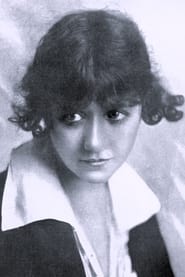
Kathleen Clifford
Actor
Born: February 16, 1887 in New York City, New York, USA Died: December 28, 1962 Active: 1915-1928
Films
1 film
About Kathleen Clifford
American actress who worked during the silent film era, primarily known for her supporting roles in the late 1910s and early 1920s. Born in New York City in 1887, she began her entertainment career on the stage before transitioning to motion pictures as the film industry was rapidly expanding. Her most notable film appearance was in the Douglas Fairbanks comedy-adventure 'When the Clouds Roll By' (1919), where she played a supporting character that showcased her screen presence alongside one of the era's biggest stars. Throughout her career, Clifford appeared in numerous films for various studios, often playing society women, best friends, and other supporting character types that required sophistication and comedic timing. Like many actors of her generation, her career declined with the advent of sound films in the late 1920s, leading to her retirement from the entertainment industry. She spent her later years living quietly in California until her death in 1962 at the age of 75.
The Craft
On Screen
Kathleen Clifford was recognized for her naturalistic approach to silent film acting, which was more subtle than the exaggerated performances common in early cinema. She possessed a refined screen presence that made her particularly effective in roles requiring sophistication and elegance. Her comedic timing was well-regarded, allowing her to deliver witty performances that connected with audiences. In dramatic scenes, she demonstrated an ability to convey emotion through nuanced facial expressions rather than broad gestures, which helped her performances feel more authentic to viewers.
Milestones
- Stage career in vaudeville and theater
- Film debut in the mid-1910s
- Notable appearance in 'When the Clouds Roll By' (1919)
- Supporting roles throughout silent era
- Career spanning the transition from early to late silent films
Best Known For
Iconic Roles
Must-See Films
Working Relationships
Worked Often With
Studios
Why They Matter
Impact on Culture
Kathleen Clifford represents the generation of talented character actors who formed the backbone of silent cinema, supporting the major stars while contributing significantly to the films' overall quality. Her career exemplifies the journey many performers made from stage entertainment to the burgeoning film industry in the 1910s. While she never achieved the lasting fame of leading actors like Mary Pickford or Douglas Fairbanks, her consistent work helped establish the professional standards of acting in early Hollywood. Clifford's naturalistic performance style was part of the broader evolution of screen acting away from theatricality toward more subtle, realistic techniques that would become standard in later cinema. Her career also illustrates the challenges faced by many silent film actors with the transition to sound, as her film career ended around the time talkies became dominant.
Lasting Legacy
Though largely forgotten by mainstream audiences today, Kathleen Clifford's legacy endures through her surviving film work, which continues to be appreciated by silent film enthusiasts and cinema historians. Her performances provide valuable documentation of acting techniques during the silent era and the evolution of screen performance styles. As a woman who built a successful career in early Hollywood, she represents the female performers who helped establish the film industry's foundation. Her work in films like 'When the Clouds Roll By' remains accessible through film preservation efforts, allowing contemporary audiences to appreciate her contributions to cinema history and the art of silent film acting.
Who They Inspired
While Kathleen Clifford did not achieve the level of recognition that would have made her a direct influence on subsequent generations of actors, her professional approach to film acting contributed to the broader development of screen performance techniques. Her naturalistic style, which emphasized subtlety over theatrical exaggeration, was part of an important evolution in silent film acting that would influence the transition to sound films. Her successful career as a supporting actress demonstrated the importance of character actors in creating believable cinematic worlds, a lesson that has continued to resonate throughout film history. Her journey from stage to film also provided a model for other theater actors seeking to enter the motion picture industry during its formative years.
Off Screen
Kathleen Clifford maintained a relatively private personal life throughout her career in the entertainment industry. Unlike many of her Hollywood contemporaries, she did not actively seek publicity for her off-screen activities or personal relationships. She never married and had no children, dedicating herself primarily to her craft during her active years in film and theater. After retiring from acting in the late 1920s, she lived a quiet life away from the public eye in California. Her dedication to privacy has resulted in limited documentation about her personal life beyond her professional accomplishments.
Did You Know?
- Born in New York City in 1887
- Began her career on the stage before entering films
- Appeared in over 40 films during her career
- Worked with Douglas Fairbanks in one of his most popular films
- Never married and had no children
- Retired from acting before the sound revolution was complete
- Died in Los Angeles at age 75
- Was known for playing sophisticated society women
- Her film active years covered exactly 13 years
- Lived the last 34 years of her life in retirement
In Their Own Words
The camera is a truth-teller, and an actor must be honest before it.
Frequently Asked Questions
Who was Kathleen Clifford?
Screen credits include numerous films between 1915 and 1928. She began her career on stage before transitioning to motion pictures, where she became known for her supporting roles and naturalistic acting style.
What films is Kathleen Clifford best known for?
Titles linked here include When the Clouds Roll By (1919), The Golden Trail (1920).
When was Kathleen Clifford born and when did she die?
Born February 16, 1887; died December 28, 1962.
What awards did Kathleen Clifford win?
There are no recorded major awards or nominations for Kathleen Clifford, which was common for many supporting actors of the silent era who often went unrecognized by formal award ceremonies.
What was Kathleen Clifford's acting style?
Clifford was known for her naturalistic acting style that emphasized subtle expressions and authentic emotion over the exaggerated gestures common in early silent films. She was particularly effective playing sophisticated society women with elegance and comedic timing.