Wilton Taylor
Actor
Born: November 1, 1869 in New York City, New York, USA Died: February 10, 1934 Active: 1915-1929
Films
1 film
About Wilton Taylor
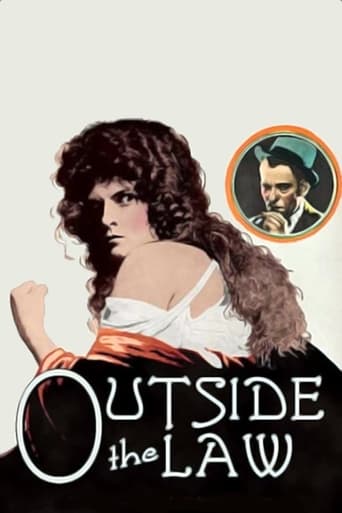
American character actor who flourished during the silent film era — known for his distinctive appearance and versatility in supporting roles. Beginning his film career around 1915, Taylor quickly established himself as a reliable presence in numerous productions throughout the 1910s and 1920s. He worked prolifically, appearing in over 100 films during his career, often cast as authority figures, villains, or comic relief characters. His performance in 'Outside the Law' (1920) showcased his ability to play menacing characters effectively. Taylor collaborated with many prominent directors of the era, including Tod Browning and Rex Ingram. As the transition to sound films began, Taylor's career began to wane, as was common for many silent era actors whose personas were tied to the visual medium. His final film appearances were in the late 1920s, marking the end of a notable career in early Hollywood cinema.
The Craft
On Screen
Taylor was known for his expressive face and physical presence, utilizing the exaggerated gestures and facial expressions required for silent film acting. He specialized in creating memorable character types through distinctive mannerisms and a commanding screen presence, particularly effective in villainous or authoritative roles.
Milestones
- Breakthrough role in 'The Great Train Robbery' (1915)
- Memorable performance in 'Outside the Law' (1920)
- Prolific career with over 100 film appearances
- Regular collaboration with director Tod Browning
- Transition from bit parts to significant supporting roles
Best Known For
Iconic Roles
Must-See Films
Working Relationships
Worked Often With
Studios
Why They Matter
Impact on Culture
Wilton Taylor represents the archetype of the silent era character actor who, while never achieving star status, contributed significantly to the texture and quality of early Hollywood cinema. His consistent performances across numerous films helped establish the supporting cast system that became fundamental to studio filmmaking. Taylor's work in Tod Browning's films contributed to the dark, atmospheric style that would later influence film noir.
Lasting Legacy
Though largely forgotten by mainstream audiences, Wilton Taylor's legacy endues through his contributions to silent cinema and his collaborations with directors. His filmography serves as a valuable record of early Hollywood's character acting traditions and the evolution of film performance techniques during the transition from theatrical to cinematic acting styles.
Who They Inspired
Taylor influenced subsequent generations of character actors through his demonstration of how distinctive supporting performances could elevate films. His work in crime and horror genres helped establish archetypes that would be refined by later actors in sound films.
Off Screen
Wilton Taylor led a relatively private life away from the Hollywood spotlight. He married late in life and had no children. Despite his prolific film career, he maintained a low public profile and rarely gave interviews. His later years were spent in relative obscurity as the film industry transitioned to sound.
Education
Limited formal education; likely self-taught in acting through theater experience
Family
- Margaret Taylor (1925-1934)
Did You Know?
- Appeared in over 100 films during his 14-year career
- Often confused with other actors named Taylor from the silent era
- Was one of the few actors to successfully transition from bit parts to significant supporting roles
- Worked consistently through World War I when many actors left the industry
- His distinctive mustache became his trademark in many films
- Never made a successful transition to sound films
- Was particularly popular in European markets where American crime films were in high demand
- Often played multiple roles within the same film
- Was known for his reliability on set, rarely requiring multiple takes
- His death in 1934 went largely unnoticed by the Hollywood press
In Their Own Words
In silent pictures, your face had to do all the talking - every wrinkle told a story
Being a character actor meant never being the hero, but always being necessary
Frequently Asked Questions
Who was Wilton Taylor?
American character with credits in this catalog.
What films is Wilton Taylor best known for?
Titles linked here include Outside the Law (1920), The Unholy Three (1925).
When was Wilton Taylor born and when did he die?
Born November 1, 1869; died February 10, 1934.
What awards did Wilton Taylor win?
Wilton Taylor did not receive any major awards during his career, as was common for supporting character actors of the silent era.
What was Wilton Taylor's acting style?
Taylor specialized in silent film acting techniques, using exaggerated facial expressions and gestures, particularly excelling at playing villains and authority figures with his distinctive appearance and commanding presence.