
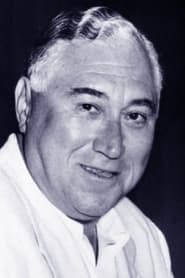
Walter Lang
Director
Born: August 10, 1896 in Memphis, Tennessee, United States Died: February 7, 1972 Active: 1925-1956
Films
4 films
About Walter Lang
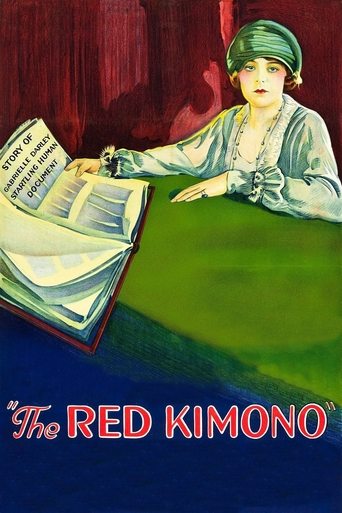
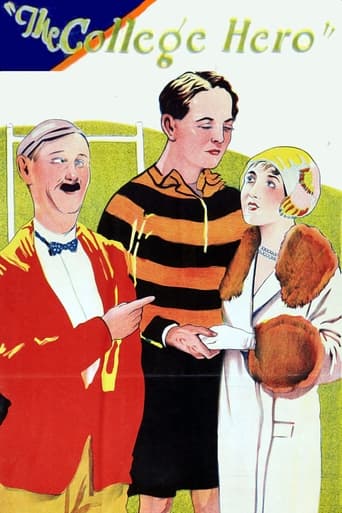
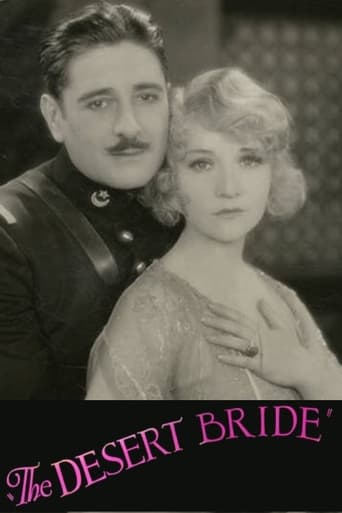
American film director: career bridged the late silent era, the early sound period, and the mature Hollywood studio system. Born in 1896, he entered motion pictures in the 1920s and soon became a dependable craftsman at major studios, directing a wide range of material from melodramas and light comedies to lavish musical productions. His silent-era work included The Red Kimona (1925), The College Hero (1927), and The Desert Bride (1928), films that helped establish him as a commercially reliable director before the transition to sound. In the 1930s and 1940s he became especially associated with polished studio entertainments, working on substantial productions for 20th Century-Fox and other companies, and he is best remembered today for directing The Little Princess (1939), one of Shirley Temple's most beloved vehicles. Lang later found major success with Technicolor musicals and prestige vehicles, including The King and I (1956), which remains the best-known film of his career and a touchstone of midcentury Hollywood spectacle. He was admired within the industry for professionalism, efficiency, and an ability to shape commercial entertainment in a visually elegant, accessible manner. Although he was not typically regarded as an auteur in the modern sense, his work reflects the classic studio era's polished craftsmanship and its emphasis on stars, production value, and narrative clarity.
The Craft
Behind the Camera
Walter Lang's directing style is generally associated with efficient, studio-system craftsmanship rather than overt stylistic experimentation. He tended to favor clear storytelling, polished pacing, attractive production design, and careful handling of star performances, especially in family films and musicals. In his best-known work, he balanced emotional accessibility with a tasteful visual smoothness that suited the era's prestige entertainment. His films often emphasize performance, spectacle, and narrative clarity over overt directorial signature, which made him valuable to studios seeking dependable, audience-friendly results. In musicals and costume pieces, he showed a particular skill for framing elaborate production numbers and keeping them integrated within a conventional dramatic structure.
Milestones
- Established himself during the silent era with socially tinged and melodramatic films such as The Red Kimona.
- Directed The Little Princess (1939), a major Shirley Temple success and one of his most enduringly familiar films.
- Helped shape the Fox studio's glossy family-entertainment and musical output in the 1940s and 1950s.
- Directed The King and I (1956),.
- Built a long career as a reliable studio director capable of handling stars, musicals, literary adaptations, and prestige productions.
Best Known For
Must-See Films
Working Relationships
Worked Often With
Studios
Why They Matter
Impact on Culture
Walter Lang contributed to the shaping of mainstream American entertainment during the crucial transition from silent film to sound and then into the high-gloss studio era. His career helped define the kind of dependable, star-driven craftsmanship that underpinned classical Hollywood: films designed to be elegant, coherent, commercially appealing, and easy for mass audiences to embrace. While he was not a radically experimental filmmaker, his work participated in the broader cultural formation of family entertainment, romantic melodrama, and the big-screen musical as defining American movie experiences. The enduring popularity of The Little Princess and especially The King and I has kept his name visible in classic-cinema discourse, even when many viewers may not immediately recognize him as the director. His career illustrates how important studio directors were in maintaining the quality and consistency of Hollywood's golden age output.
Lasting Legacy
Walter Lang's legacy lies in his role as a skilled and dependable director of mainstream Hollywood entertainment whose films remain part of the classic-cinema canon. His name is most often remembered today through The King and I, a landmark musical adaptation that has retained cultural visibility for decades. He also occupies an important place in Shirley Temple's screen history through The Little Princess, demonstrating his ability to work effectively with child stars and family-oriented material. Film historians value him as an example of the polished, collaborative, studio-era director whose work may not always be auteur-centered but is essential to understanding how classical Hollywood functioned. His body of work reflects the balance of spectacle, sentiment, and professionalism that defined the studio system at its peak.
Who They Inspired
Walter Lang influenced subsequent studio directors through his example of disciplined craftsmanship and his ability to handle varied genres without losing commercial appeal. His work in musicals and prestige entertainments demonstrated how directors could integrate performance, song, and production design into coherent mass-market films. Later filmmakers working in the musical or family-entertainment tradition benefited indirectly from the standards of clarity and polish associated with directors like Lang. His career also shows the enduring importance of the studio director as an interpreter of material rather than a self-advertising stylist, a model that shaped Hollywood production norms for decades.
Off Screen
Walter Lang was married and lived much of his life within the professional world of Hollywood studio filmmaking, though he was not a celebrity known for an especially public personal life. Biographical records on his family background are comparatively limited in widely circulated film histories, and he is more often discussed through his studio assignments and filmography than through private affairs. He remained active through the golden age of the studio system and worked with a broad range of stars and producers, suggesting a career focused primarily on professional reliability and long-term industry relationships. Details about children and extended family are not prominently documented in commonly cited classic-cinema references.
Education
Educational background is not widely documented in standard film references; he appears to have entered the film industry through practical studio experience rather than through a widely noted formal film education.
Did You Know?
- He began directing during the silent era and successfully transitioned into sound films.
- The Little Princess (1939) is one of the best-remembered Shirley Temple films of the period.
- The King and I (1956) was one of the major musical triumphs of 1950s Hollywood and the most famous film associated with his name.
- He worked across several genres, including melodrama, comedy, family entertainment, and musicals.
- Lang was part of the generation of directors whose careers were deeply tied to the studio system rather than independent production.
- Despite a long career, he is not as widely studied as some auteur directors, making him a classic example of a skilled studio craftsman.
- His early films include titles that are now especially of interest to silent-cinema historians and archivists.
- He was active for more than three decades in Hollywood, a lengthy run that reflects strong studio trust and adaptability.
Frequently Asked Questions
Who was Walter Lang?
American on YTB.my. He was known for efficient, polished studio filmmaking and for directing popular entertainment ranging from early melodramas to major musicals.
What films is Walter Lang best known for?
Titles linked here include The Red Kimona (1925), The College Hero (1927).
When was Walter Lang born and when did he die?
Born August 10, 1896; died February 7, 1972.
What awards did Walter Lang win?
No major individual awards are prominently documented for Walter Lang in the standard references commonly used for classic cinema. His most notable recognition comes from the lasting popularity and critical reputation of films such as The King and I.
What was Walter Lang's directing style?
Walter Lang's directing style was polished, efficient, and strongly tied to classic studio craftsmanship. He emphasized clear storytelling, strong performances, and attractive production values, especially in family films and musicals.
What was Walter Lang's legacy in film history?
His legacy is that of a reliable Hollywood director who helped define the look and feel of mainstream studio entertainment. He is especially significant for directing enduring classics that remain part of the golden-age film canon.