
Rex Lease
Actor
Born: February 11, 1903 in Macon, Missouri, USA Died: January 3, 1966 Active: 1924-1951 Birth Name: Rex Lloyd Lease
Films
3 films
About Rex Lease
Rex Lloyd Lease — American actor who rose to prominence during the silent film era and successfully transitioned into sound pictures. Born in Missouri in 1903, Lease began his film career in the mid-1920s and quickly established himself as a reliable leading man, particularly in westerns, action films, and romantic comedies. Rex appears in over 200 films throughout his career, though he primarily worked in B-movies and film serials rather than major studio productions. During the 1930s, Lease became especially prolific working for Poverty Row studios like Mascot Pictures and later Republic Pictures, where he starred in numerous serials that showcased his athletic abilities and commanding screen presence. Despite never achieving A-list stardom, he maintained steady employment as a character actor and supporting player through the early 1950s. Lease was one of many actors who successfully navigated the challenging transition from silent films to talkies, adapting his performance style to meet the new demands of sound cinema. His career represents the journey of the typical working actor of Golden Age Hollywood, finding consistent work in popular genre films while never quite breaking through to major stardom.
The Craft
On Screen
As a leading man in the silent era, Lease employed the expressive physical acting style typical of the period, using exaggerated gestures and facial expressions to convey emotion effectively without dialogue. In talkies, he adapted to a more naturalistic style while maintaining a certain theatrical quality that served him well in genre films. Lease had a straightforward, no-nonsense acting approach with a strong, masculine presence that made him particularly effective in westerns and action-oriented roles. His athletic build and commanding screen presence were assets in physically demanding roles, especially in film serials where he often performed his own stunts. While not a nuanced character actor, Lease delivered reliable, consistent performances that met the expectations of audiences for popular entertainment.
Milestones
- Leading roles in silent films of the 1920s
- Successful transition from silent to sound films
- Prolific B-movie career with over 200 film appearances
- Star of numerous film serials in the 1930s
- Work with major Poverty Row studios like Mascot and Republic Pictures
Best Known For
Iconic Roles
Must-See Films
Working Relationships
Worked Often With
Studios
Why They Matter
Impact on Culture
Rex Lease, while never a major star, contributed significantly to the popular cinema of his era through his extensive work in westerns and film serials. His performances helped define the archetype of the action hero in low-budget productions during the 1930s, influencing how such characters were portrayed in subsequent B-movies. Lease's successful transition from silent films to talkies exemplified the adaptability required of actors during this pivotal period in cinema history. His work in film serials, which were precursors to modern television series and comic book adaptations, helped establish narrative techniques and character archetypes that would influence later action entertainment. Though not a household name, Lease's filmography provides a valuable record of the types of popular entertainment that captivated audiences during the Golden Age of Hollywood.
Lasting Legacy
Rex Lease's lasting legacy lies in his extensive filmography, which serves as a comprehensive record of popular cinema from the silent era through the early 1950s. With over 200 film appearances, his work documents the evolution of American genre cinema, particularly westerns and action serials. While he never achieved the fame of contemporaries like John Wayne or Gary Cooper, Lease represents the journey of the working actor who maintained steady employment through talent, reliability, and adaptability. His performances in film serials have gained appreciation among film historians and collectors who recognize the historical significance of these early action formats. Lease's career exemplifies the ecosystem of Hollywood's B-movie industry, which operated parallel to the major studio system and produced entertainment that reached vast audiences across America.
Who They Inspired
Lease influenced subsequent generations of character actors and B-movie performers through his demonstrated longevity and versatility in genre films. His ability to transition between leading roles and supporting parts showed a career path that many actors would follow in later decades. While not a direct mentor to famous performers, his work ethic and professional approach set an example for actors seeking steady employment in the entertainment industry. The physical acting style he employed in action sequences and serials influenced how stunt work and physical performance were integrated into character development in later action films. His career demonstrated that success in Hollywood could be achieved through consistent work in popular genres rather than through major stardom alone.
Off Screen
Rex Lease was married twice during his lifetime. His first marriage was to actress Virginia Vance in 1929, with whom he remained until her death in 1942. Vance was also an actress who appeared in numerous films during the same era. In 1949, Lease married Esther Hildreth, and they remained together until his death in 1966. Unlike many Hollywood actors of his era, Lease did not have any children from either marriage. He was known among his colleagues as a reliable professional who maintained a relatively low public profile outside of his film work.
Education
No formal acting training documented; likely learned through on-the-job experience during the early studio system era
Family
- Virginia Vance (1929-1942)
- Esther Hildreth (1949-1966)
Did You Know?
- Born in Macon, Missouri, and moved to California as a young man
- Appeared in over 200 films during his 27-year career
- Was particularly known for his work in film serials, appearing in 12 different serial productions
- Married fellow actor Virginia Vance, who appeared in many of the same types of films
- Often performed his own stunts in action sequences, a common practice for B-movie actors
- His height of 6'1" made him an imposing presence in westerns and action films
- Successfully transitioned from silent films to talkies, unlike many of his contemporaries
- Worked with virtually every Poverty Row studio during the 1930s
- Never received top billing in major studio productions but was often the star of B-movies
- Retired from acting in the early 1950s as the studio system began to decline
In Their Own Words
No widely documented famous quotes; primarily known for his on-screen performances rather than off-screen statements
Frequently Asked Questions
Who was Rex Lease?
American with credits in this catalog. He appeared in over 200 movies during his career, mostly for Poverty Row studios, and successfully transitioned from silent films to talkies.
What films is Rex Lease best known for?
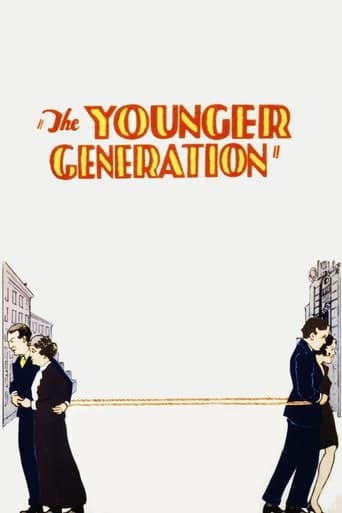
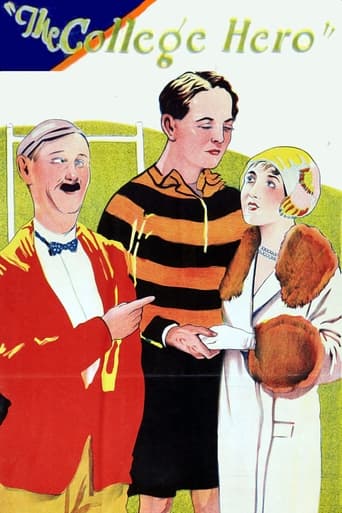
Titles linked here include The College Hero (1927), The Younger Generation (1929).
When was Rex Lease born and when did he die?
Born February 11, 1903; died January 3, 1966.
What awards did Rex Lease win?
Rex Lease did not receive any major awards or nominations during his career. Like many B-movie actors of his era, his contributions were primarily commercial rather than critically recognized.
What was Rex Lease's acting style?
Lease employed a physical, expressive style typical of silent film actors, which he adapted for talkies. He had a straightforward, masculine presence that served him well in action roles and westerns, often performing his own stunts in physically demanding scenes.
Did Rex Lease work with any major studios?
While Lease occasionally worked with major studios like Universal and Columbia, he was primarily associated with Poverty Row studios including Mascot Pictures and Republic Pictures, where he found steady employment in genre films and serials.
Was Rex Lease married?
Yes, Rex Lease was married twice. His first marriage was to actress Virginia Vance from 1929 until her death in 1942, and his second marriage was to Esther Hildreth from 1949 until his death in 1966.