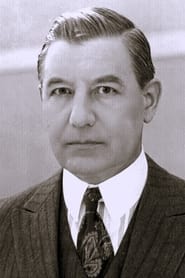
Charles Richman
Actor
Born: May 15, 1863 in New York City, New York, USA Died: December 1, 1940 Active: 1914-1930 Birth Name: Charles Edgar Richman
Films
1 film
About Charles Richman
Charles Edgar Richman — American stage and film actor who had a prolific career during the silent era and early sound period. Born in 1863, Richman began his career on the Broadway stage, establishing himself as a respected theater actor before transitioning to motion pictures in the early 1910s. Charles appears in over 100 films between 1914 and 1930, often playing gentlemen, authority figures, and wealthy characters with his signature dignified presence. Richman worked with major studios including Paramount, Fox, and Universal, appearing alongside silent era stars like Rudolph Valentino in films such as 'The Sheik' (1921) and Cecil B. DeMille's 'The Ten Commandments' (1923). He successfully made the transition from silent films to talkies, though his film appearances became less frequent in the early 1930s. Richman continued acting until his death in 1940, leaving behind a legacy as a reliable character actor who helped establish the importance of supporting roles in early cinema.
The Craft
On Screen
Richman was known for his dignified and authoritative presence on screen, often portraying wealthy businessmen, judges, doctors, or other figures of authority. His theatrical background from Broadway gave him a commanding stage presence that translated well to the silent medium. Richman employed exaggerated gestures and facial expressions typical of the silent era, but with a refinement that suggested his character's social status. He had a particular talent for conveying emotion through subtle changes in his eyes and posture, making him effective in both dramatic and light comedic roles.
Milestones
- Extensive Broadway stage career before films
- Transition to silent films in 1914
- Prolific silent film career with 100+ films
- Successful transition to talkies
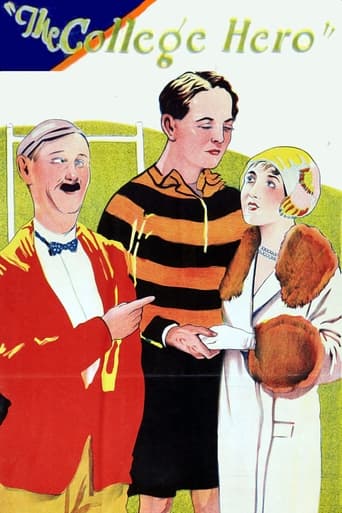
- Role in The College Hero (1927)
- Collaboration with Cecil B. DeMille
- Work with Rudolph Valentino
Best Known For
Iconic Roles
Must-See Films
Working Relationships
Worked Often With
Studios
Why They Matter
Impact on Culture
Charles Richman represents the generation of stage actors who successfully transitioned to the new medium of motion pictures during the silent era. As a character actor, he contributed to the development of supporting roles in early cinema, helping establish the importance of character actors in creating believable film worlds. His active years covered the pivotal years when cinema evolved from a novelty to a respected art form, and his work reflects the changing techniques and sophistication of filmmaking during this period. Richman's ability to adapt from stage to screen and then to sound films demonstrated the versatility required of actors during this transformative era in Hollywood history.
Lasting Legacy
Charles Richman's legacy lies in his contribution to the silent film era as a reliable character actor who brought theatrical gravitas to the silver screen. While not a major star, his consistent presence in numerous films of the 1910s and 1920s helped establish the importance of supporting actors in creating fully realized cinematic narratives. His successful transition to sound films demonstrated the adaptability required of actors during this period of rapid technological change in Hollywood. Richman's body of work shows the crucial role character actors played in building the foundation of American cinema.
Who They Inspired
As a character actor, Richman influenced the development of supporting roles in early cinema, showing how skilled character actors could elevate productions beyond their leading players. His dignified presence and professional approach set a standard for character actors who followed in the sound era. Richman demonstrated that actors with stage backgrounds could successfully transition to film, paving the way for future theater actors to enter the film industry.
Off Screen
Charles Richman was married to actress Edith Bristow, with whom he often performed on stage. The couple had a successful professional partnership as well as a personal one. Richman was known in Hollywood circles as a dedicated professional who took his craft seriously. Despite his prolific film career, he maintained connections to the theater world throughout his life. He lived in New York for much of his career, making the trip to Hollywood for film work as needed.
Education
Extensive theatrical training from Broadway career, specific educational background unknown
Family
- Edith Bristow (married date unknown - her death in 1939)
Did You Know?
- Born in New York City in 1863, making him one of the older actors to appear in silent films
- Had an extensive Broadway career before transitioning to films
- Appeared in Cecil B. DeMille's The Ten Commandments (1923)
- Worked with Rudolph Valentino in The Sheik (1921)
- Successfully made the transition from silent films to talkies
- Appeared in over 100 films during his career
- Often played authority figures due to his dignified appearance
- Continued acting until shortly before his death in 1940
- His real name was Charles Edgar Richman
- Maintained homes in both New York and Hollywood during his career
Frequently Asked Questions
Who was Charles Richman?
American with credits in this catalog. He began as a Broadway stage actor before transitioning to motion pictures in 1914, often playing gentlemen and authority figures.
What films is Charles Richman best known for?
Titles linked here include The College Hero (1927), The Great K&A Train Robbery (1926).
When was Charles Richman born and when did he die?
Born May 15, 1863; died December 1, 1940.
What awards did Charles Richman win?
There are no recorded major awards or nominations for Charles Richman, which was common for character actors of his era despite their significant contributions to films.
What was Charles Richman's acting style?
Richman was known for his dignified and authoritative presence, often playing wealthy businessmen, judges, and other authority figures. His theatrical background gave him a commanding presence with refined gestures and expressions suitable for his character types.