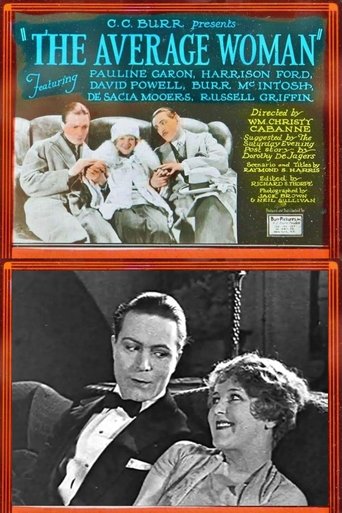
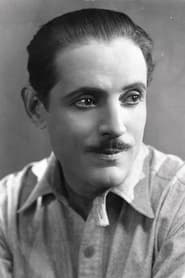
David Powell
Actor
Born: December 17, 1883 in Glasgow, Scotland Died: April 16, 1925 Active: 1914-1926
Films
2 films
About David Powell
Scottish-born actor who found considerable success in American silent films during the 1910s and early 1920s. Born in Glasgow, Scotland, he began his career on the stage before transitioning to motion pictures, where he quickly became a popular leading man known for his dashing appearance and refined demeanor. Powell signed with the Famous Players Film Company and appeared in numerous productions, often playing romantic leads opposite some of the era's most popular actresses. His film from 1914 to 1926, during which he appeared in over 50 films, establishing himself as a reliable and bankable star in the silent era. Tragically, his promising career was cut short when he died unexpectedly in 1925 at the age of 42, just as the film industry was transitioning to sound. His death marked the end of what had been a significant contribution to silent cinema, though today he remains less remembered than many of his contemporaries.
The Craft
On Screen
Powell was known for his refined, gentlemanly demeanor and sophisticated screen presence, often playing aristocratic or professional characters with a romantic edge. His acting style was typical of the silent era's leading men, emphasizing expressive gestures and facial features to convey emotion, though he was noted for his more subtle and natural approach compared to some of his contemporaries.
Milestones
- Stage career in Britain before films
- Signed with Famous Players Film Company
- Starred opposite Marion Davies in several films
- Leading man in over 50 silent films
- Popular romantic lead of the 1910s and early 1920s
Best Known For
Iconic Roles
Must-See Films
Working Relationships
Worked Often With
Studios
Why They Matter
Impact on Culture
David Powell represented the transition from stage to screen that many actors made during the early film era, bringing theatrical refinement to the new medium of cinema. As a leading man of the silent era, he contributed to the development of romantic film tropes and the star system that defined Hollywood during this period. His work with major stars like Marion Davies helped establish the romantic comedy genre that would become a staple of American cinema.
Lasting Legacy
Though largely forgotten today, David Powell — significant figure in the development of silent film as a legitimate art form and entertainment medium. His career trajectory from stage actor to film star exemplified the opportunities that early Hollywood offered to talented performers. His untimely death at the height of his career meant he never made the transition to sound films, contributing to his relative obscurity in film history despite his considerable impact during his lifetime.
Who They Inspired
Powell's naturalistic acting style influenced other silent film actors who sought to move beyond the exaggerated gestures common in early cinema. His success as a leading man helped establish the template for the sophisticated, romantic hero that would become a staple of Hollywood films throughout the 20th century.
Off Screen
David Powell married actress Jane Novak in 1915, and the couple became one of Hollywood's notable pairs of the silent era. Their marriage lasted until Powell's death in 1925, and they had one daughter together. Powell was known as a private individual who preferred to stay out of the Hollywood spotlight when not working, focusing on his craft and family life rather than the social aspects of fame.
Education
Educated in Glasgow, Scotland; received theatrical training in Britain before moving to America
Family
- Jane Novak (1915-1925)
Did You Know?
- Was born in Glasgow, Scotland, and began his career on the British stage
- Married actress Jane Novak in 1915, making them a prominent Hollywood couple
- Appeared in over 50 films during his relatively short career
- Died unexpectedly in 1925 at age 42, just before the transition to sound films
- Often played characters who were professionals, aristocrats, or gentlemen
- Worked frequently with actress Marion Davies in the early 1920s
- His death came shortly after completing what would be his final film
- Was known for his distinctive mustache and refined appearance
- Never made a sound film, dying just as the talkie revolution began
- Was part of the wave of European actors who found success in early Hollywood
In Their Own Words
The stage teaches you discipline, but film teaches you subtlety - both are essential for the serious actor
In pictures, the camera sees everything - you cannot hide your true self behind theatrical gestures
Romance on screen requires not just chemistry between actors, but a genuine respect for the art of storytelling
Frequently Asked Questions
Who was David Powell?
Scottish-born silent film with credits in this catalog.
What films is David Powell best known for?
Titles linked here include The Restless Sex (1920), Enchantment (1921).
When was David Powell born and when did he die?
Born December 17, 1883; died April 16, 1925.
What awards did David Powell win?
David Powell did not receive any major formal awards during his career, as the Academy Awards were not established until 1929, four years after his death. His recognition came from his popularity with audiences and consistent work as a leading man.
What was David Powell's acting style?
Powell was known for his refined, gentlemanly screen presence and more naturalistic approach compared to many silent era actors, often playing sophisticated professionals or aristocrats with romantic appeal and subtle emotional expression.