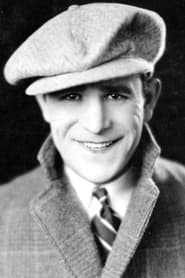
Buddy Roosevelt, born Kenneth Stanhope Sanderson, was an American actor who became a prominent figure in silent Western films during the 1920s and 1930s. Beginning his career as a rodeo performer and trick rider, Roosevelt transitioned to acting in 1922, bringing authentic cowboy skills to the silver screen that set him apart from many contemporaries. Buddy appears in over 60 films throughout his career, primarily for smaller studios like Universal, FBO Pictures, and Mascot Pictures, where he often played the rugged cowboy hero. His athletic abilities allowed him to perform his own stunts and horse riding sequences, creating a level of realism that audiences appreciated. Roosevelt successfully made the transition to sound films, though his star power diminished as the Western genre evolved. After retiring from acting, he returned to his rodeo roots and continued working with horses until his death in 1973.
The Craft
On Screen
Roosevelt was known for his natural athleticism and authentic cowboy demeanor, bringing genuine ruggedness to his roles that resonated with audiences of the silent era. His riding and stunt work were particularly impressive, stemming directly from his extensive rodeo background, which allowed him to perform dangerous sequences without doubles. While not a technically sophisticated actor, his physical presence and ability to convey emotion through action rather than dialogue made him particularly effective in the Western genre. His style emphasized authenticity over theatricality, setting him apart from more stage-trained actors of the period.
Milestones
Appeared in over 60 silent and sound films
Starred in numerous Western productions during the 1920s and 1930s
Successfully transitioned from rodeo performer to film actor
Performed his own stunts and horse riding sequences
Made successful transition from silent to sound films
Roosevelt was married twice during his lifetime, both times to actresses from the film industry. His first marriage was to Peggy Montgomery, a fellow Western film actress, with whom he had one child. After their divorce, he married Dorothy Dwan, who had previously been married to comedian Larry Semon. Roosevelt maintained strong connections to the rodeo community throughout his life and after retiring from films, he returned to working with horses and participating in rodeo events. He was also a cousin of President Theodore Roosevelt, which likely influenced his choice of stage name. During World War I, he served in the U.S. Army before pursuing his entertainment career.
spouses
children
education
Limited formal education, primarily self-taught with extensive practical experience from rodeo work and military service
studioAffiliations
frequentCollaborators
mentors
protégés
culturalImpact
Buddy Roosevelt contributed significantly to the popularization and development of the Western genre during the silent era, helping establish many of the archetypal elements that would define cowboy films for decades to come. His authentic riding skills and stunt work set a new standard for physical performance in Westerns, emphasizing realism over the more theatrical approaches common in early cinema. While never achieving the superstardom of contemporaries like Tom Mix or Hoot Gibson, Roosevelt's consistent presence in B-Westerns helped sustain the genre's popularity during the challenging transition to sound films. His films, though not widely remembered today, represent an important bridge between the early Western pioneers and the more sophisticated productions of the 1930s and beyond.
legacy
Roosevelt's lasting legacy lies in his contribution to the silent Western genre and his role in preserving authentic cowboy techniques in cinema history. His emphasis on genuine riding skills and stunt performance influenced subsequent generations of Western actors who sought to bring authenticity to their roles. The over 60 films he appeared in serve as valuable historical documents of early Western filmmaking, capturing the evolution of the genre from its primitive beginnings to more sophisticated storytelling. His career trajectory—from rodeo performer to film star to return to rodeo work—exemplifies the close relationship between authentic Western culture and its cinematic representation during the early 20th century.
influence
Roosevelt's natural approach to cowboy roles influenced the more realistic style that would become prominent in later Westerns, particularly as audiences grew more sophisticated in their understanding of authentic cowboy culture. His emphasis on performing his own stunts and horse work set a precedent for actors like John Wayne, who would later emphasize physical authenticity in their Western roles. The technical riding skills he demonstrated on film helped raise the standards for horse work in cinema, influencing how stunt work and equestrian sequences would be filmed in subsequent decades. His success in transitioning from rodeo to film also created a pathway for other authentic cowboys to enter the movie industry.