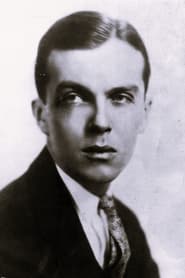
Glenn Hunter
Actor
Born: September 27, 1894 in New York City, New York, USA Died: December 24, 1945 Active: 1915-1945
Films
1 film
About Glenn Hunter
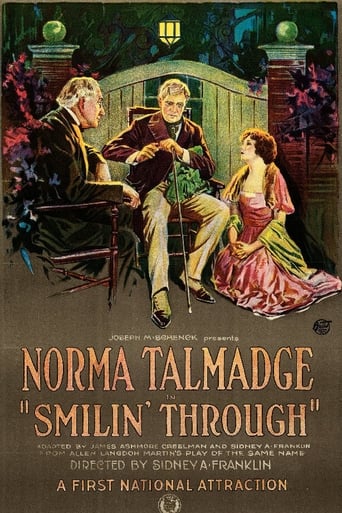
American stage actor who achieved considerable fame on Broadway during the 1910s and 1920s, though his film career was notably brief. Born in 1894, Hunter rose to prominence primarily through his theatrical performances, becoming respected actors of his generation on the New York stage. His most famous stage role was as Peter Grimm in the original Broadway production of 'The Old Soak,' which established him as a leading man of considerable talent and charisma. In 1922, he made his mark in cinema with his starring role in the silent film adaptation of 'Smilin' Through,' playing the dual roles of Kenneth Wayne and John Carteret. Despite the success of this film and his natural screen presence, Hunter remained primarily devoted to the theater, returning to Broadway where he continued to star in numerous productions throughout the 1920s and 1930s. His career was tragically cut short by his untimely death in 1945, but he left behind a legacy as accomplished stage actors of his era who successfully bridged the gap between theatrical and silent film performance.
The Craft
On Screen
Hunter was known for his naturalistic and emotionally resonant acting style that translated well from stage to screen. His performances were characterized by a sincere, heartfelt approach that avoided the exaggerated gestures common in many silent era actors. On stage, he was praised for his ability to convey deep emotion through subtle facial expressions and controlled body language, making him particularly effective in dramatic roles. His transition to film demonstrated his versatility, as he adapted his stage techniques to the more intimate medium of cinema while maintaining the emotional depth that made him a theatrical star.
Milestones
- Starred in Broadway hit 'The Old Soak' (1922)
- Lead role in 'Smilin' Through' (1922)
- Multiple successful Broadway productions throughout 1920s-1930s
- Considered one of Broadway's leading actors of the 1920s
Best Known For
Iconic Roles
Must-See Films
Accolades
Special Recognition
- Recognized as one of Broadway's leading actors of the 1920s
Working Relationships
Worked Often With
Studios
Why They Matter
Impact on Culture
Glenn Hunter's contribution to cinema, though brief, represents an important example of the successful transition from stage to screen during the silent era. His performance in 'Smilin' Through' demonstrated how theatrical actors could adapt their craft for the camera without losing the emotional depth that made them stage stars. While his film career was limited to this notable production, his work helped pave the way for other stage actors to consider film as a viable medium for serious dramatic performance. Hunter's legacy lies primarily in his theatrical achievements, but his film work remains a valuable document of early screen acting techniques and the cross-pollination between Broadway and Hollywood during the 1920s.
Lasting Legacy
Glenn Hunter is remembered today primarily as a stage actor whose brief film career produced one memorable performance. His work in 'Smilin' Through' (1922) has preserved his talent for posterity, showcasing the naturalistic acting style that made him a Broadway star. In theater history, he is recognized as part of the generation of actors who successfully navigated the changing landscape of American entertainment during the transition from the 1910s to the 1920s. His dedication to the theatrical craft and his ability to move between mediums without compromising his artistic integrity serve as an example for performers seeking to maintain authenticity across different entertainment platforms.
Who They Inspired
Hunter's naturalistic acting style influenced subsequent generations of stage actors who sought to bring authenticity to both theatrical and screen performances. His success in 'Smilin' Through' demonstrated that serious dramatic actors could find success in film without resorting to the melodramatic techniques often associated with silent cinema. While his direct influence on specific actors is not extensively documented, his career path served as a model for other Broadway stars considering film work, showing that it was possible to maintain credibility in both mediums. His approach to character development and emotional truth in performance continues to be studied by theater historians and acting students interested in the evolution of American acting techniques.
Off Screen
Glenn Hunter led a relatively private life despite his theatrical fame. He married actress Frances Dade in 1927, though the marriage eventually ended in divorce. Hunter was known among his contemporaries as a dedicated professional who took his craft seriously and was respected for his work ethic. He maintained close friendships within the theatrical community and was often described as a gentleman both on and off stage. His later years were marked by declining health, though he continued to perform when possible until his death.
Education
Limited information available, likely received theatrical training through practical experience in stock companies and regional theaters
Family
- Frances Dade (1927-1930s, divorced)
Did You Know?
- 'Smilin' Through' was remade multiple times, including versions in 1932 and 1941
- Hunter was primarily a stage actor, making his film career exceptionally brief
- He played dual roles in 'Smilin' Through', showcasing his versatility
- The original Broadway production of 'The Old Soak' was one of his biggest theatrical successes
- Despite his film success, Hunter returned to the stage and rarely appeared in movies afterward
- His acting style was considered more naturalistic than many of his silent film contemporaries
- Hunter was part of the transition generation of actors who worked in both legitimate theater and early cinema
- He died on Christmas Eve in 1945
- His performance in 'Smilin' Through' was praised by critics for its emotional depth
- The film was one of the early examples of a successful stage-to-screen adaptation
In Their Own Words
While specific quotes from Glenn Hunter are not widely documented, his performances were known for their emotional authenticity and natural delivery that set him apart from many of his contemporaries.
Frequently Asked Questions
Who was Glenn Hunter?
American stage and film with credits in this catalog. He achieved lasting fame for his starring role in the 1922 silent film 'Smilin' Through,' though his career was predominantly focused on theatrical performances.
What films is Glenn Hunter best known for?
Titles linked here include Smilin' Through (1922).
When was Glenn Hunter born and when did he die?
Born September 27, 1894; died December 24, 1945.
What awards did Glenn Hunter win?
While specific awards are not extensively documented, Glenn Hunter was widely recognized as one of Broadway's leading actors during the 1920s. His greatest recognition came from critical acclaim for his stage performances, particularly in 'The Old Soak' and his work in 'Smilin' Through.'
What was Glenn Hunter's acting style?
Glenn Hunter was known for his naturalistic and emotionally authentic acting style, which was more subtle than many of his silent film contemporaries. His stage background contributed to a performance style that emphasized emotional truth through controlled expression rather than exaggerated gestures.
Did Glenn Hunter appear in other films besides 'Smilin' Through'?
No, 'Smilin' Through' (1922) was essentially Glenn Hunter's only significant film role. Despite the success of this movie, he chose to return to his primary career in theater, where he continued to work successfully on Broadway throughout the 1920s and 1930s.
What was Glenn Hunter's most famous stage role?
Glenn Hunter's most famous stage role was as Peter Grimm in the original Broadway production of 'The Old Soak' in 1922. This role established him as one of the leading actors of his generation and contributed significantly to his reputation as a serious dramatic performer.