
Sidney Franklin
Actor & Director
Born: March 21, 1893 in San Francisco, California, USA Died: May 18, 1972 Active: 1915-1958 Birth Name: Sidney Arnold Franklin
Films
15 films
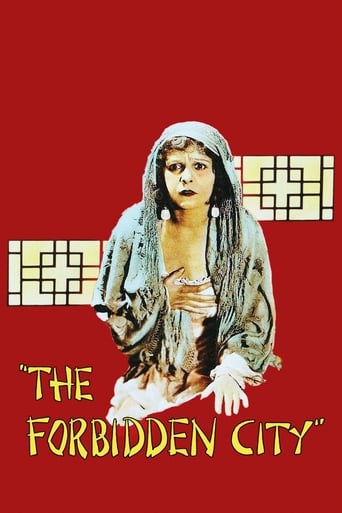
The Forbidden City
1918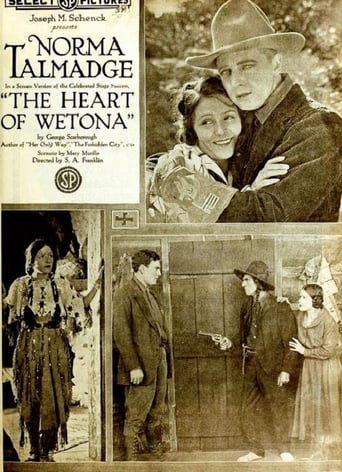
The Heart of Wetona
1919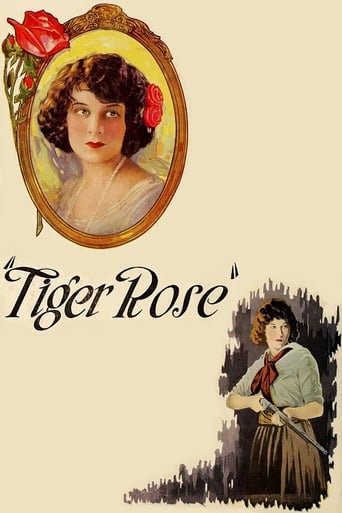
Tiger Rose
1923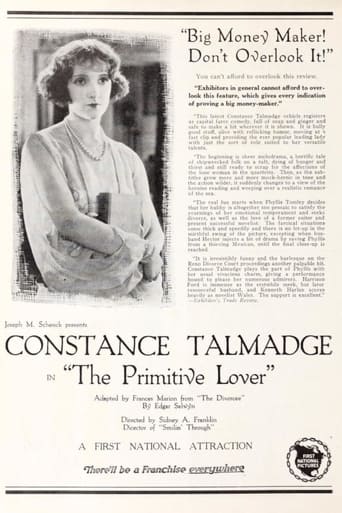
The Primitive Lover
1922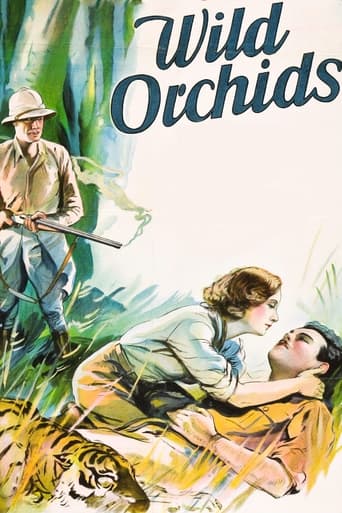
Wild Orchids
1929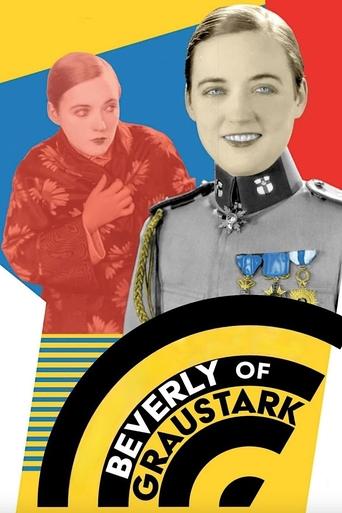
Beverly of Graustark
1926
Down Home
1920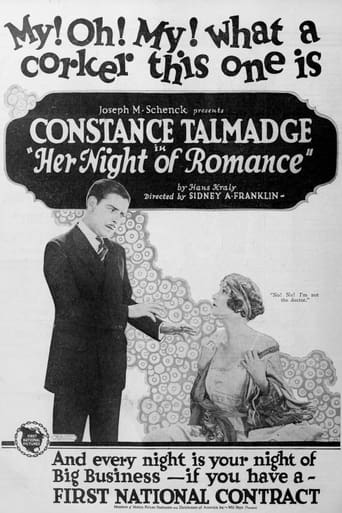
Her Night of Romance
1924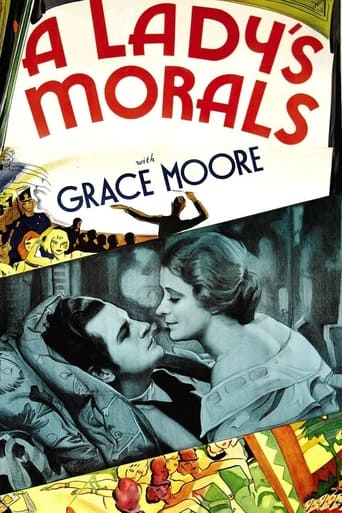
A Lady's Morals
1930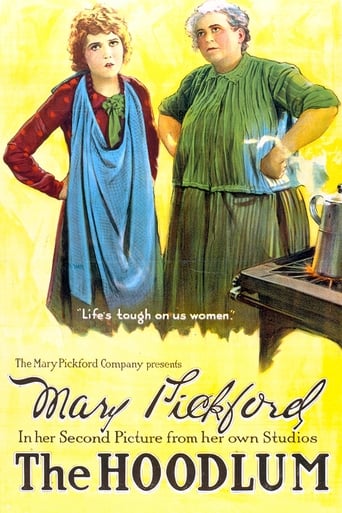
The Hoodlum
1919
The Children in the House
1916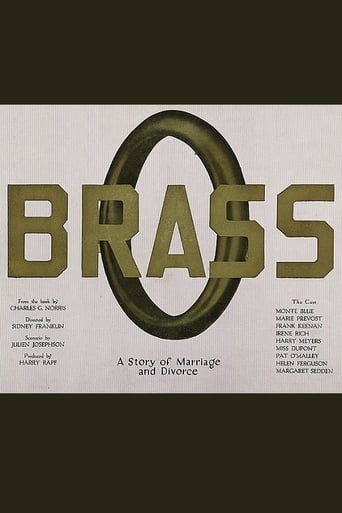
Brass
1923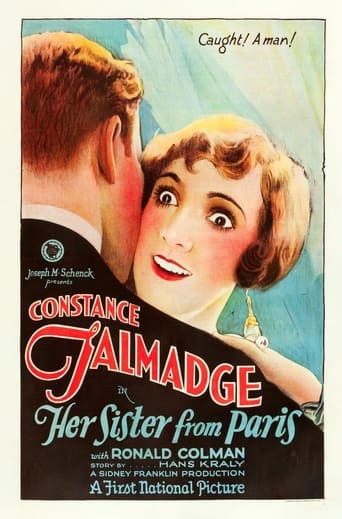
Her Sister from Paris
1925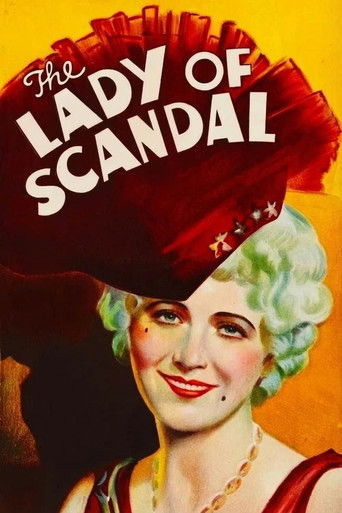
The Lady of Scandal
1930About Sidney Franklin
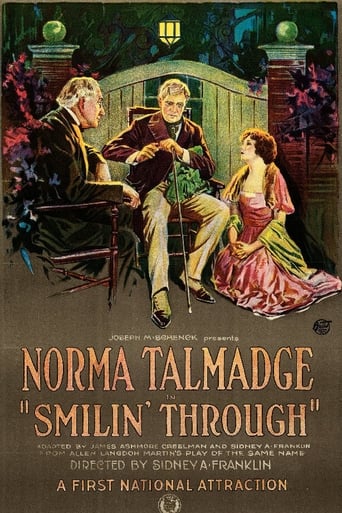
Sidney Franklin was one of MGM's most prolific and respected directors during Hollywood's Golden Age, known for his sophisticated romantic dramas and literary adaptations. Born in San Francisco in 1893, he began his career in the silent era, directing films like 'The Forbidden City' (1918) and 'Smilin' Through' (1922), which established his reputation for handling emotional material with sensitivity. Franklin became particularly associated with star Norma Shearer, directing her in several of her most successful films including 'The Barretts of Wimpole Street' (1934) and 'Romeo and Juliet' (1936). His masterpiece 'The Good Earth' (1937) demonstrated his ability to handle epic scope and won him an Academy Award nomination for Best Director. Throughout his career, Franklin was known as an 'actor's director' who could coax nuanced performances from his stars while maintaining high production values. He successfully transitioned from silent films to talkies and continued directing through the 1950s, after which he served as a producer and consultant at MGM. Franklin's over four decades, during which he directed more than 60 films and worked with virtually every major star of the Golden Age.
The Craft
Behind the Camera
Franklin was known for his elegant, sophisticated approach to directing, with a particular talent for emotional storytelling and character development. He excelled at romantic dramas and literary adaptations, bringing a refined sensibility to his films. His directing style emphasized visual composition and nuanced performances, often working closely with actors to achieve naturalistic emotional expression. Franklin was particularly adept at handling period pieces and costume dramas, creating atmospheric worlds that served as backdrops for intimate character studies. He was considered an 'actor's director' who could guide stars to some of their best performances while maintaining the technical polish expected of MGM productions.
Milestones
- Directed the successful 1922 version of 'Smilin' Through'
- Directed Norma Shearer in 'The Barretts of Wimpole Street' (1934)
- Earned Academy Award nomination for 'The Good Earth' (1937)
- Directed Greta Garbo in 'The Painted Veil' (1934)
- Served as president of the Directors Guild of America (1939-1941)
- Directed 'The White Cliffs of Dover' (1944), one of WWII's most popular films
- Made the transition from silent films to talkies successfully
- Worked with virtually every major MGM star of the 1930s and 1940s
Best Known For
Must-See Films
Accolades
Won
- Academy Honorary Award (1943) - for his service as a wartime motion picture executive
- Directors Guild of America D.W. Griffith Award (1957) - for lifetime achievement
Nominated
- Academy Award for Best Director - The Good Earth (1937)
- Academy Award for Best Director - The Barretts of Wimpole Street (1934)
- Venice Film Festival Mussolini Cup - The Good Earth (1937)
Special Recognition
- Hollywood Walk of Fame star (located at 6625 Hollywood Blvd)
- President of the Directors Guild of America (1939-1941)
- Member of the Academy of Motion Picture Arts and Sciences founding committee
Working Relationships
Worked Often With
Studios
Why They Matter
Impact on Culture
Sidney Franklin played a significant role in shaping Hollywood's Golden Age aesthetic, particularly through his work at MGM where he helped establish the studio's reputation for sophisticated, high-quality productions. His films often addressed themes of love, sacrifice, and social change, reflecting the cultural concerns of his time. 'The Good Earth' was groundbreaking in its casting and portrayal of Chinese characters, though by modern standards it would be criticized for its use of white actors in Asian roles. Franklin's wartime service helped coordinate Hollywood's contribution to the war effort, demonstrating the film industry's potential for patriotic influence. His adaptations of literary works brought classic stories to mass audiences, contributing to the cultural education of moviegoers during the studio era.
Lasting Legacy
Sidney Franklin's legacy lies in his contributions to the development of the Hollywood studio system and his role in creating some of the most memorable films of the Golden Age. As one of MGM's most reliable directors, he helped establish the studio's brand of sophisticated entertainment. His work with major stars like Norma Shearer and Greta Garbo produced some of their most memorable performances. Franklin's ability to successfully transition from silent films to talkies demonstrated his adaptability and artistic growth. His presidency of the Directors Guild of America during a crucial period helped establish professional standards for directors. While less remembered today than some of his contemporaries, Franklin's films continue to be studied for their technical excellence and emotional depth, representing the best of Hollywood's classical style.
Who They Inspired
Franklin influenced generations of filmmakers through his refined approach to storytelling and character development. His work with actors set standards for performance direction that would be emulated by subsequent directors. The visual elegance of his films influenced the development of Hollywood's classical style, particularly in the realm of costume dramas and literary adaptations. His success in adapting literature to film provided a template for future directors tackling similar projects. Franklin's leadership in the Directors Guild of America helped establish the professional standing of directors within the industry. His mentorship of younger directors at MGM helped launch several notable careers, extending his influence beyond his own films.
Off Screen
Sidney Franklin married actress Alma Tell in 1925, but the marriage ended in divorce in 1936. He never remarried and had no children. Franklin was known as a private individual who kept his personal life out of the public eye, focusing primarily on his work at MGM. During World War II, he took a break from directing to serve as a special assistant to the head of the Office of War Information's motion picture division, coordinating Hollywood's war effort. After retiring from directing in the late 1950s, he remained active as a consultant and producer at MGM until his death in 1972 at the age of 79.
Education
Attended Stanford University but left before graduating to pursue a career in the film industry
Family
- Alma Tell (1925-1936)
Did You Know?
- Directed two different versions of 'Smilin' Through' - one in 1922 (silent) and one in 1932 (sound)
- Was the brother of actor Chester Franklin, also a director
- Served as president of the Directors Guild of America during World War II
- His film 'The Good Earth' was one of the first major Hollywood productions to feature a largely Asian-American supporting cast
- Was known for his meticulous preparation and often spent months researching his projects
- Franklin was one of the few directors who successfully worked with both Greta Garbo and Norma Shearer, MGM's two biggest female stars
- During his tenure at MGM, he directed more films for the studio than any other director except for Clarence Brown
- His film 'The White Cliffs of Dover' (1944) was
- Franklin was known for his ability to complete films on time and under budget, making him a favorite of studio executives
- He was among the founding members of the Academy of Motion Picture Arts and Sciences in 1927
In Their Own Words
A director must be part psychologist, part diplomat, and part artist.
The secret to working with stars is to understand what makes them special and then build your film around that quality.
In the golden age of Hollywood, we weren't just making movies; we were creating dreams for millions of people.
The transition from silent to sound wasn't about technology, it was about learning a new way to tell stories.
A good director disappears into his work; the film should reflect the vision, not the ego of its creator.
Frequently Asked Questions
Who was Sidney Franklin?
Prominent Hollywood on YTB.my. He directed over 60 films from the silent era through the 1950s, working with virtually every major star of the period and earning Academy Award nominations for 'The Good Earth' and 'The Barretts of Wimpole Street'.
What films is Sidney Franklin best known for?
Titles linked here include The Good Earth (1937), Smilin' Through (1922 and 1932).
When was Sidney Franklin born and when did he die?
Born March 21, 1893; died May 18, 1972.
What awards did Sidney Franklin win?
Sidney Franklin received an Academy Honorary Award in 1943 for his wartime service, and won the Directors Guild of America D.W. Griffith Award for lifetime achievement in 1957. He was also nominated for two Academy Awards for Best Director for 'The Good Earth' (1937) and 'The Barretts of Wimpole Street' (1934).
What was Sidney Franklin's directing style?
Franklin was known for his elegant, sophisticated approach to emotional storytelling, particularly in romantic dramas and literary adaptations. He was considered an 'actor's director' who excelled at drawing nuanced performances from stars while maintaining the high production values expected of MGM films. His style emphasized visual composition, atmospheric settings, and careful attention to character development.
Did Sidney Franklin work with any famous stars?
Yes, Franklin worked with virtually every major star of Hollywood's Golden Age, including Norma Shearer (his most frequent collaborator), Greta Garbo, Clark Gable, Myrna Loy, and Greer Garson. He was particularly known for his successful collaborations with female stars, helping create some of their most memorable roles.
What was Sidney Franklin's role during World War II?
During World War II, Franklin took a break from directing to serve as a special assistant to the head of the Office of War Information's motion picture division. In this role, he helped coordinate Hollywood's contribution to the war effort, ensuring that films supported the Allied cause while maintaining entertainment value.