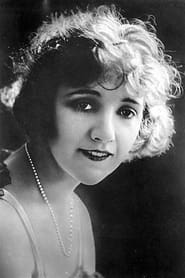
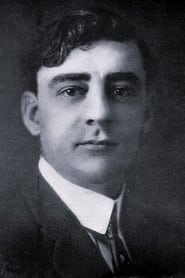

The Helpful (?) Sisterhood
"Sorority pressure pushes Mary toward shoplifting"
Keys: Space play/pause · ←/→ 10s · F fullscreen · M mute · </> speed
About this film
Mary is forced into shoplifting to keep up with her rich sorority sisters.
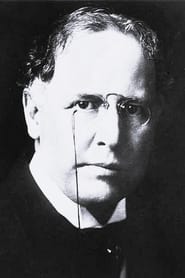
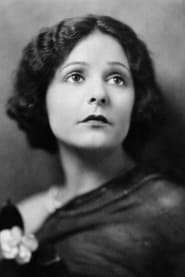
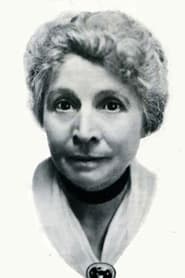
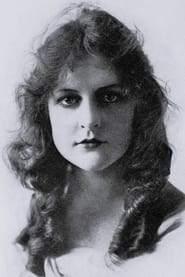
Cast & crew
More films like this

More Drama films
View all →







More from Van Dyke Brooke
View all →
More about this film
About the production
Release dateMarch 1914
ProductionVitagraph Company of America
Filmed inBrooklyn, New York (Vitagraph Studios)
The film was produced during Vitagraph's peak years as one of America's leading motion picture studios. Van Dyke Brooke was both a prominent director and actor at Vitagraph, known for his efficient shooting methods and ability to extract strong performances from his cast. The film was likely shot on Vitagraph's Brooklyn studio lot with minimal location shooting, which was typical for productions of this era.
Themes
Social pressure and conformityMaterialism and consumerismClass differences and social mobilityMoral choice and consequencesFemale friendship and rivalry
Themes & topics
shopliftingsororitysocial pressuretheftmoral dilemmamaterialismclass differencesfriendshipdeceptionconsequences
Historical background
Made during the nickelodeon years around 1914, The Helpful (?) Sisterhood reached audiences through theatrical programs, fairground booths, or specialized distribution channels typical of its generation. Mary is forced into shoplifting to keep up with her rich sorority. Historians now read such works for what they reveal about production methods, national taste, and the expanding vocabulary of screen narrative.
Why this film matters
Archivists and programmers still screen The Helpful (?) Sisterhood when tracing how popular entertainment evolved. Its subject—mary is forced into shoplifting to keep up with her rich sorority—gives later viewers tangible evidence of what drew crowds in the silent period. Home video, restorations, and festival sidebars keep the title circulating among students of film history.
Making of
The production of 'The Helpful (?) Sisterhood' took place during a transformative period in American cinema when films were evolving from simple novelty acts to sophisticated storytelling mediums. Van Dyke Brooke, as an experienced Vitagraph director, would have overseen a small crew working with the basic equipment available in 1914. The filming process involved natural lighting from studio skylights, as artificial lighting technology was still primitive. Norma Talmadge, though still early in her career, was already developing the screen presence that would make her a major star. The cast would have rehearsed briefly before shooting, as the rapid production schedules of the era allowed little time for extensive preparation. The shoplifting scenes would have been carefully choreographed to avoid any suggestion that criminal behavior was being glorified, reflecting the strict moral codes of the period.
What critics said
Original trade coverage treated The Helpful (?) Sisterhood as routine program filler rather than a landmark production—common for shorts. Later criticism emphasizes preservation, stylistic comparison with contemporaries, and whatever cast or crew names later gained prominence. Contemporary writing is mostly historical: assessing completeness, influence, and place in a director's or studio's catalog.
Did you know?
- This film represents one of Norma Talmadge's early starring roles before she became one of the biggest silent film stars of the 1920s
- Van Dyke Brooke was not only the director but also a prominent actor who appeared in over 300 films during his career
- The film was released the same year that World War I began, placing it at a pivotal moment in world history
- Vitagraph Studios was one of the first film companies to establish a permanent studio facility in Brooklyn, New York
- The question mark in the title 'The Helpful (?) Sisterhood' was an unusual and attention-grabbing element in film titles of the era
- 1914 was the year that Charlie Chaplin first appeared on screen, making this film contemporary with the birth of cinematic comedy legends
- The film's theme of social pressure among young women was particularly relevant as women's suffrage and social reform movements were gaining momentum
- Norma Talmadge would later marry Joseph Schenck and form her own production company, becoming especially powerful women in Hollywood
- Vitagraph was known for producing films with strong moral lessons, and this film's themes fit perfectly with their production philosophy
- The film was likely shot on 35mm film with hand-cranked cameras, requiring precise timing from the cinematographer
Visual style
The cinematography of 'The Helpful (?) Sisterhood' would have employed the standard techniques of 1914 filmmaking. The film was likely shot using hand-cranked 35mm cameras with fixed focal length lenses, requiring careful positioning and movement by the cinematographer. Lighting would have relied primarily on natural sunlight from studio skylights, supplemented by primitive arc lights when necessary. The visual style would have featured static shots with minimal camera movement, as dollies and other mobile equipment were still being developed. Composition would have followed the theatrical conventions of the era, with actors positioned to create clear visual storytelling within the frame. The shoplifting scenes might have employed some innovative camera angles to create tension, though the overall approach would have been straightforward and functional.
Innovations
The film does not appear to have introduced any significant technical innovations, which was typical for Vitagraph productions of this period. The technical aspects would have been standard for 1914, using existing camera equipment, film stock, and processing techniques. The film would have been shot on celluloid nitrate stock, which was the standard medium of the era but has since proven to be highly unstable and prone to deterioration. Editing would have been done on a flatbed viewer with manual splicing, creating the continuity cuts necessary for narrative storytelling. While not technically groundbreaking, the film represents the solid craftsmanship of Vitagraph's production methods, which helped establish reliable standards for the growing film industry.
Music
As a silent film, 'The Helpful (?) Sisterhood' would have been accompanied by live musical performance during theatrical exhibition. The score would have been provided by a theater's house pianist or small ensemble, playing appropriate music to match the film's mood and action. For dramatic moments like the shoplifting scenes, tense, minor-key music would have been employed, while lighter scenes would have featured popular songs of the era. Theaters often used compiled cue sheets or generic mood music rather than specifically composed scores for individual films. The musical accompaniment would have been crucial in conveying emotion and enhancing the narrative, as no recorded sound was synchronized with the film.
Memorable scenes
- The tense shoplifting sequence where Mary, driven by social pressure, steals an expensive accessory from a department store, likely filmed with careful staging to show her internal conflict and fear of discovery while maintaining the film's moral stance against theft
What audiences thought
Audience reception in 1914 would have been measured primarily by box office receipts and word-of-mouth, as systematic audience research did not yet exist. The film's themes of social pressure and moral choice likely resonated with the predominantly female audience that attended nickelodeons and early movie theaters. The shoplifting element would have provided dramatic tension while the moral resolution would have satisfied the era's appetite for films with clear ethical lessons. As a Vitagraph production, it would have benefited from the studio's reputation for quality entertainment, though specific audience reactions or attendance figures have not survived in historical records.
Film connections
Influenced by
- Progressive Era social reform literature
- Contemporary women's magazine stories
- Earlier Vitagraph moral tales
- Stage melodramas of the period
- Social problem films of the 1910s
Film restoration
Presumed lost. Like approximately 90% of American silent films, 'The Helpful (?) Sisterhood' from 1914 is believed to be lost, with no known surviving copies in film archives or private collections. The highly flammable nitrate film stock used during this era, combined with the lack of systematic preservation efforts in the early film industry, resulted in the loss of the vast majority of films from this period. No fragments or clips are known to exist, making the film accessible only through written descriptions and trade paper reviews from its original release.
Where to watch
- Internet Archive: https://archive.org/details/publicdomainTheHelpfulSisterhood