Films
3 films
About Leo Delaney
American actor who worked during the years of American cinema, appearing in silent films in the early 1910s. His brief but notable the crucial transitional period when cinema was evolving from short novelty films to more sophisticated storytelling. Delaney appeared in at least two identified films from this era, including 'A Window on Washington Park' (1913) and 'The Helpful (?) Sisterhood' (1914), which were typical of the short-form comedies and dramas being produced by early American studios. His acting career coincided with the rapid development of film language and techniques, as directors were discovering how to tell stories visually. While his filmography appears limited, his work represents the contributions of countless actors who helped establish the foundation of American cinema during its formative years. Like many actors of this period, Delaney's career may have been affected by the industry's rapid evolution and the eventual transition to feature-length films. His brief appearance in the historical record highlights how many early film performers have become largely forgotten despite their role in cinema's development.
The Craft
Milestones
- Appeared in 'A Window on Washington Park' (1913)
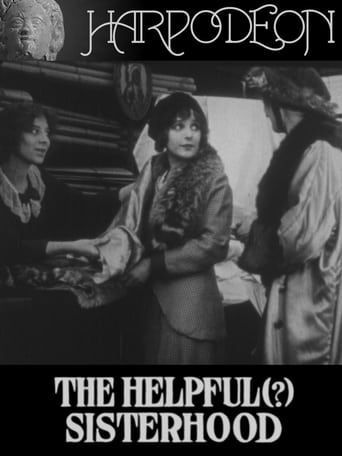
- Starred in 'The Helpful (?) Sisterhood' (1914)
- Active during the era of American silent cinema
Best Known For
Must-See Films
Why They Matter
Impact on Culture
Leo Delaney's cultural impact is representative of the countless actors who contributed to the foundation of American cinema during its formative years. While not a major star whose name has endured in film history, his work in early silent films was part of the collective effort that established cinema as a legitimate art form and entertainment medium. The films he appeared in, typical of the era's short-form productions, helped develop the visual language and narrative techniques that would later become standard in filmmaking. His career, though brief, exemplifies the transient nature of early film stardom and the challenges faced by performers during cinema's rapid evolution from novelty to art.
Lasting Legacy
Leo Delaney's legacy is primarily that of a representative figure from the dawn of American cinema, illustrating how many actors contributed to film history without achieving lasting recognition. His surviving filmography, though small, provides a window into the types of productions being made in the early 1910s and serves as historical documentation of cinema's development. Like many of his contemporaries, his work lives on through film archives and preservation efforts that seek to maintain the complete record of early American filmmaking, ensuring that even minor contributors to cinema's birth are not entirely forgotten.
Who They Inspired
As an actor from the very early period of American cinema, Leo Delaney's direct influence on subsequent performers is difficult to trace, but his work was part of the collective foundation that later actors would build upon. The techniques and approaches developed during the era in which he worked influenced the evolution of screen acting as cinema matured from simple presentations to complex dramatic performances.
Off Screen
Very little is documented about Leo Delaney's personal life, which is typical of many actors from the earliest days of American cinema who did not achieve lasting fame. Like many performers of this era, detailed biographical information was not systematically preserved, and many records from this period have been lost to time.
Did You Know?
- Leo Delaney's active years covered only the years 1913-1914, making him part of the very first generation of American film actors
- Both of his identified films were short comedies/dramas typical of the era before feature-length films became standard
- The question mark in 'The Helpful (?) Sisterhood' title suggests the film's tone was satirical or ironic
- Actors from this period often appeared in multiple films for the same studio, though Delaney's complete filmography remains undocumented
- Many actors from the 1913-1914 period transitioned out of film as the industry rapidly evolved and became more professionalized
- Early silent film actors like Delaney often had backgrounds in stage acting or vaudeville
- The preservation rate for films from 1913-1914 is extremely low, making any surviving work valuable to film historians
- Actors during this period often worked anonymously, with credits not always consistently given
- The early 1910s saw the establishment of the first Hollywood studios, where actors like Delaney would have worked
- Film acting techniques were still being developed during Delaney's career, with performers adapting from theatrical styles to the new medium
Frequently Asked Questions
Who was Leo Delaney?
American silent film with credits in this catalog. He is known for his roles in 'A Window on Washington Park' (1913) and 'The Helpful (?) Sisterhood' (1914).
What films is Leo Delaney best known for?
Titles linked here include A Window on Washington Park (1913), The Helpful (?) Sisterhood (1914).
When was Leo Delaney active in films?
Leo Delaney's known film active years covered from 1913 to 1914, placing him among the earliest generation of American film actors during cinema's formative years.
What was Leo Delaney's contribution to early cinema?
Leo Delaney contributed to the development of early American cinema by participating in the establishment of film acting techniques and helping create the foundation for narrative filmmaking during its crucial early years.
Why is so little known about Leo Delaney?
Limited information about Leo Delaney is typical of many early film actors, as comprehensive record-keeping and biographical documentation were not standard practice in the industry's earliest days, and many records have been lost over time.