Films
3 films
About Mary Anderson
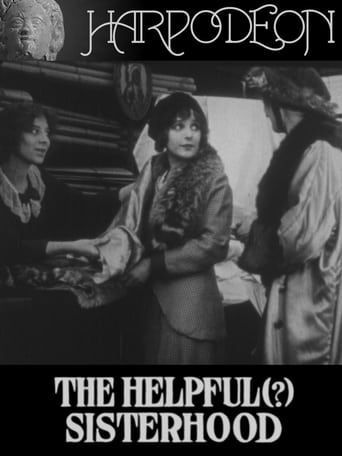
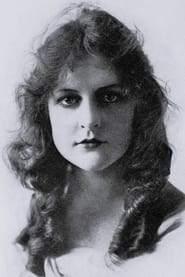
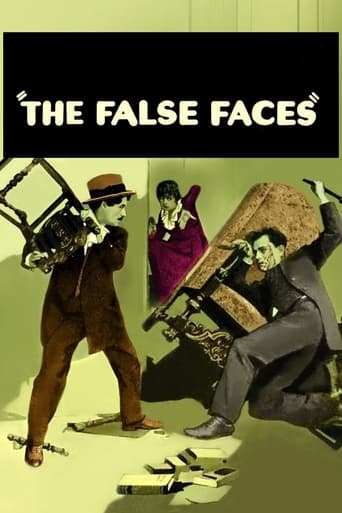
Silent-era screen actress: documented film career appears to have been brief, spanning the mid-1910s through the end of the decade. She is Mary Anderson appeared in early motion pictures such as The Helpful (?) Sisterhood (1914) and The False Faces (1919), placing her among the many performers who worked steadily in the rapidly expanding American film industry during the years when feature-length storytelling was still taking shape. Like many actors of the period, she remains difficult to reconstruct in full because studio publicity, surviving records, and later archival coverage are limited, and she should not be confused with other performers of the same name from stage, silent film, or later eras. The available evidence suggests that she worked in supporting or featured roles rather than as a major star, contributing to productions from a period when acting style emphasized clear physical expression, visual storytelling, and strong on-camera presence. Her screen work belongs to the foundational generation of movie performers who helped establish silent-film acting conventions before the coming of synchronized sound. Because surviving biographical information is sparse, many details of her private life, training, and later years remain undocumented in readily accessible film-historical sources. Even so, her credits place her within the important first wave of American film actors whose careers helped define early studio-era cinema.
The Craft
On Screen
No detailed contemporary performance analysis specific to this Mary Anderson is widely documented, but as a silent-era actress her work would have depended on expressive facial control, readable gesture, and physically precise interaction with the camera. Performers of this period often balanced theatrical clarity with emerging screen naturalism, using body language to communicate emotion and story points without spoken dialogue. Her surviving credits suggest participation in productions that likely required the restrained but legible style common to American silent films of the 1910s.
Milestones
- Appeared in The Helpful (?) Sisterhood (1914), an early silent-era credit that places her in the formative years of American feature production
- Appeared in The False Faces (1919), a late-silent-era film associated with the final years of her known screen activity
- Worked during the transitional period when the Hollywood studio system was consolidating and screen acting was evolving from stage-derived melodrama into more naturalistic silent performance
- Represents one of the many early film performers whose work is part of the historical fabric of silent cinema despite limited surviving biographical documentation
- Maintained a screen presence across the 1910s, suggesting continued employment during one of the film industry's most dynamic decades
Best Known For
Iconic Roles
Must-See Films
Why They Matter
Impact on Culture
Mary Anderson's cultural impact lies less in star status than in representation: she is part of the large, often under-credited group of silent-era performers whose labor made early American cinema possible. Actors like Anderson helped normalize the grammar of screen performance during a period when film language, editing rhythms, and audience expectations were still developing. Even when individual careers are sparsely documented, these performers contributed to the collective evolution of film acting, especially in features that moved beyond short subjects and helped define the commercial moviegoing experience of the 1910s. Her presence in surviving credits is a reminder that early cinema history was built not only by major stars and directors but also by working actors whose names are now only intermittently preserved.
Lasting Legacy
Mary Anderson's legacy is primarily archival and historical: she stands as a traceable participant in silent-era filmmaking, one of the many performers whose careers illuminate the breadth of early cinema beyond its best-known icons. Her filmography helps historians chart the movement of actors through the American industry during the 1910s, a decade that saw the consolidation of feature films, star culture, and the beginnings of Hollywood dominance. While she does not appear to have left a large individually celebrated body of work, her credits remain valuable evidence of the labor and diversity of early screen performance. For researchers and classic-cinema enthusiasts, names like hers are important because they preserve the texture of the industry as it really functioned: a network of many working artists, not just a handful of headline stars.
Who They Inspired
There is no clear record that Mary Anderson directly mentored other performers or became a widely cited influence in later acting traditions. Her influence is best understood indirectly, through her participation in the silent-film acting tradition that shaped how later screen actors approached visual storytelling. By performing in early features, she contributed to the performance vocabulary later refined by more famous silent and early sound actors. Her work is part of the broader lineage from stage-influenced melodramatic presentation toward more controlled cinematic acting.
Off Screen
Reliable public information about Mary Anderson's personal life is extremely limited in the surviving film record and standard reference sources. No well-documented details about marriages, family background, or later life have been firmly established here without risking confusion with other women named Mary Anderson from stage, screen, or other professions. As with many silent-era supporting players, her professional footprint is clearer than her biographical profile, and she appears to have left behind few accessible personal records in mainstream film histories.
Did You Know?
- Mary Anderson should not be confused with the more famous stage and film figures who share the same name, including actresses active in different decades.
- Her known screen career falls entirely within the silent era, before synchronized sound transformed film acting and production.
- The title The Helpful (?) Sisterhood (1914) survives as one of her documented credits, but information about her role in it is limited.
- The False Faces (1919) is one of the last known film credits associated with her active period.
- Like many silent-era supporting performers, she is harder to document because many studio records, publicity materials, and prints have not survived intact.
- Her career illustrates how many early film actors worked steadily yet remained outside the later star system's best-remembered names.
- The surviving record suggests she was active during a pivotal decade in which American cinema moved toward feature-length narratives and stronger industrial organization.
Frequently Asked Questions
Who was Mary Anderson?
Silent-era film actress active in the American cinema of the 1910s. Her known screen credits include The Helpful (?) Sisterhood (1914) and The False Faces (1919), placing her among the many early performers who helped build the foundation of feature-film acting.
What films is Mary Anderson best known for?
Titles linked here include The Helpful (?) Sisterhood (1914), The False Faces (1919).
When was Mary Anderson born and when did she die?
Her birth and death dates are not reliably established in the available classic-cinema record used here. Because there are multiple women named Mary Anderson in entertainment history, caution is needed to avoid confusing her with unrelated figures.
What awards did Mary Anderson win?
No awards or formal honors are documented for this Mary Anderson in the accessible historical record. Many silent-era supporting actors were never included in modern awards systems, which makes recognition from that period difficult to trace.
What was Mary Anderson's acting style?
As a silent-era actress, Mary Anderson would have performed in the expressive visual style typical of early cinema, relying on gesture, facial expression, and body language to communicate character and emotion. The surviving record does not provide a detailed critical profile of her technique, but her work would have reflected the evolving screen acting conventions of the 1910s.
What is Mary Anderson's legacy in film history?
Her legacy lies in her place within the working body of silent-film performers who helped establish early screen storytelling. Even without extensive surviving biographical detail, her credits contribute to the historical record of how the American film industry grew during the 1910s.