His Birthright
Plot
Yukio, a Japanese immigrant living illegally in the United States, becomes entangled with a gang of spies who exploit his precarious position to further their own schemes. Pressured and manipulated, he is used to obtain secret documents from an admiral, placing him at the center of an espionage plot he does not fully understand at first. When Yukio delivers the papers and realizes the true nature of the conspiracy, he is overcome by remorse and attempts to reclaim the documents. A struggle follows, turning the story into a dramatic conflict between coercion, conscience, and self-preservation. The film centers on Yukio's moral awakening and the personal cost of being trapped between criminal manipulation and his own desire to do the right thing.
About the Production
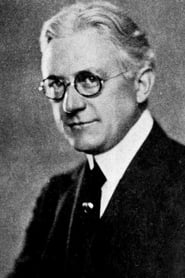
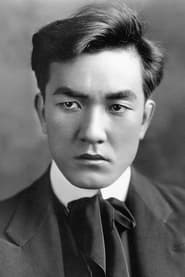
His Birthright was produced during the peak years of Sessue Hayakawa's stardom under his own Haworth Pictures banner, which was specifically created to give him greater control over the roles and screen image available to Asian performers in American cinema. As with many independent productions of the late silent era, surviving documentation on exact budget, locations, and day-to-day production circumstances is sparse. The film was directed by William Worthington, one of the regular filmmakers associated with Hayakawa's company, and was designed as a dramatic vehicle that emphasized emotional conflict, suspense, and star charisma rather than large-scale spectacle. Because it is a 1918 silent film, no synchronized soundtrack was produced at the time of release, and the film was shown with live musical accompaniment in theaters.
Historical Background
His Birthright was released in 1918, near the end of World War I and during a period of heightened anxiety about espionage, national loyalty, and border security. American silent cinema at the time frequently used melodrama and crime plots to engage with contemporary social tensions, and this film's spy narrative fits that pattern. It also emerged during a crucial moment in film history when stars like Sessue Hayakawa were challenging racial stereotypes while still working within a deeply segregated and discriminatory industry. Hayakawa's prominence made the film culturally significant beyond its plot, because his stardom complicated prevailing assumptions about who could anchor a commercial American feature. The film belongs to a body of work that documents both the opportunities and restrictions faced by Asian performers in early Hollywood.
Why This Film Matters
The film is significant as part of Sessue Hayakawa's pioneering body of work in American cinema and as an example of an Asian-led production from the silent era. Hayakawa's career was unusually influential because it challenged the industry's limited and often caricatured representation of Asian men, presenting him instead as a romantic and dramatic leading man. His Birthright contributes to the historical record of early transnational stardom and the development of independent production strategies by minority performers in Hollywood. Even when the film itself is little seen today, it remains important for understanding how race, modernity, and star power intersected in silent-era filmmaking. For film historians, it also illustrates how melodrama and espionage stories were used to explore themes of belonging, suspicion, and moral choice.
Making Of
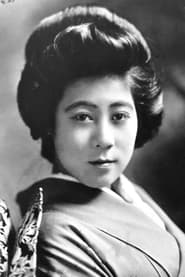
His Birthright was mounted during a period when Sessue Hayakawa was building a rare position of independence in Hollywood through Haworth Pictures Corporation. That company allowed him to develop roles that were more centered on his own presence and to avoid some of the typecasting that dominated mainstream studio production. William Worthington, who directed many Hayakawa productions, was part of the creative infrastructure that made these vehicles possible, helping shape stories that blended melodrama, romance, and suspense. Tsuru Aoki's participation also reflects the close artistic circle around Hayakawa's productions, in which personal and professional ties often overlapped. Specific production anecdotes, on-set challenges, and location details are not well documented in widely available surviving sources, which is common for lesser-known silent films of this era.
Visual Style
Specific cinematographer credit and technical breakdown are not consistently preserved in accessible summaries of the film, but the visual approach would have followed the refined conventions of late 1910s silent drama. Films from Hayakawa's Haworth productions typically emphasized expressive close-ups, controlled staging, and careful attention to gesture and facial expression to communicate psychology without dialogue. The espionage premise would have benefited from contrastive framing between intimate character moments and moments of suspenseful action or confrontation. As a silent feature, visual clarity and compositional economy would have been essential to carry the moral and narrative tension of the story.
Innovations
The film does not appear to be associated with any major technical innovation in the way that larger spectacle productions of the era sometimes were. Its importance lies more in performance-centered silent storytelling and in the industrial significance of an independent star-led company operating within the American studio system. If a surviving print exists, it would be of value primarily for its historical documentation of acting style, costume, framing, and late-1910s production practice. The film's suspense and melodrama likely depended on editing rhythms and visual storytelling techniques standard for the period rather than on specialized effects.
Music
As a 1918 silent film, His Birthright did not have a synchronized recorded soundtrack. Exhibition would have relied on live musical accompaniment, which could vary by theater, city, and exhibitor, often using a pianist, organist, or small ensemble. No original cue sheet or score is widely documented in accessible surviving sources. Any music heard today, if the film survives in a archive print, would typically come from later accompaniment choices rather than an original fixed soundtrack.
Memorable Scenes
- Yukio is pressured into stealing secret documents from an admiral, establishing the film's central moral trap and espionage tension.
- The turning point occurs when Yukio realizes the gang has manipulated him, leading to his decision to demand the documents back.
- The final struggle over the papers dramatizes the film's conflict between guilt, loyalty, and desperate self-correction.
Did You Know?
- His Birthright is a Sessue Hayakawa star vehicle made at a time when he was one of the most famous Asian actors in world cinema and one of the few to lead films in Hollywood.
- The film was produced by Haworth Pictures Corporation, Hayakawa's own company, which was important for giving him artistic and business control in an industry that often marginalized Asian performers.
- William Worthington directed the film, continuing a professional association with Hayakawa on multiple features from the same era.
- Marin Sais appears in the film alongside Tsuru Aoki, who was Hayakawa's wife and a frequent collaborator in his productions.
- The known plot involves espionage and a moral crisis, a combination that reflects the melodramatic and topical storytelling styles popular in the late 1910s.
- Like many silent-era features from the period, the film's survival status is uncertain in many reference sources, and it is not commonly encountered in circulation today.
- The film contributes to the broader legacy of Hayakawa's screen persona, which often balanced strength, vulnerability, romantic appeal, and tragic dignity.
- 1918 was a year when American cinema was expanding rapidly, and wartime suspense and patriotic intrigue were common narrative elements.
What Critics Said
Contemporary critical response is not well preserved in the readily accessible modern record for this specific title, and detailed reviews are difficult to locate compared with Hayakawa's more famous surviving features. In period trade and press coverage, Hayakawa productions were often noted for their star appeal, polished emotional appeal, and the novelty of seeing him in serious leading roles. Modern critical discussion tends to focus less on the film as a standalone work and more on its place within Hayakawa's career, Haworth Pictures output, and the broader history of silent-era representation. Because the film is obscure and may be lost or difficult to view, current evaluation is largely archival and historical rather than based on widespread contemporary reappraisal.
What Audiences Thought
Audience reception was likely driven primarily by Sessue Hayakawa's celebrity and the melodramatic intrigue of the espionage plot. Hayakawa was a major attraction for silent-era moviegoers, and his films often played to audiences interested in both exoticized star persona and emotionally intense drama. There is no widely documented box-office record for this title, but its production under his own company suggests that it was designed to capitalize on his established drawing power. Today, audience access is limited, so reception is shaped more by historical interest than by broad modern viewership.
Film Connections
Influenced By
- Silent-era melodramas involving espionage and moral conflict
- Contemporary wartime spy narratives common in 1910s American cinema
- Star vehicles built around Sessue Hayakawa's screen persona
- Theatrical melodrama emphasizing conscience, betrayal, and redemption
This Film Influenced
- Later Hollywood dramas centered on Asian protagonists struggling against prejudice and suspicion
- Subsequent star-centered independent productions by performers seeking greater control over representation
- Later silent and early sound espionage melodramas that blend romance, crime, and conscience
You Might Also Like
More Drama Films
View allMore from William Worthington
View allFilm Restoration
The survival status is not clearly documented in widely accessible modern references, and the film is not commonly available in general circulation. It may be lost or survive only in archival materials, but no universally confirmed restoration or mainstream home-media release is widely noted in standard reference summaries. Because many 1918 silent films were not preserved, caution is warranted unless an archive specifically confirms a surviving print.