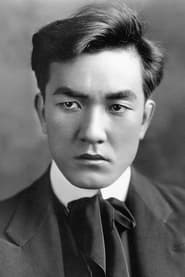
Sessue Hayakawa
Actor
Born: June 10, 1889 in Chikuzen Province (now Fukuoka Prefecture), Japan Died: November 23, 1973 Active: 1914-1966 Birth Name: Kintarō Hayakawa
Films
8 films
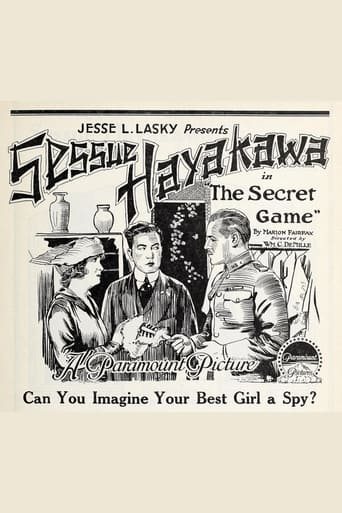
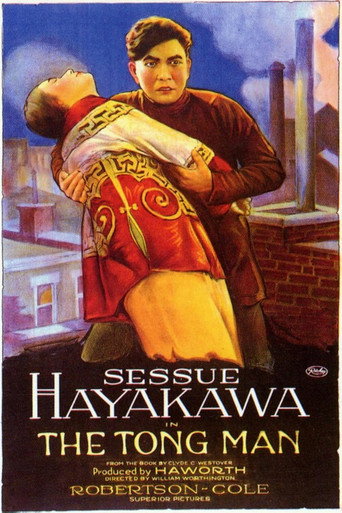
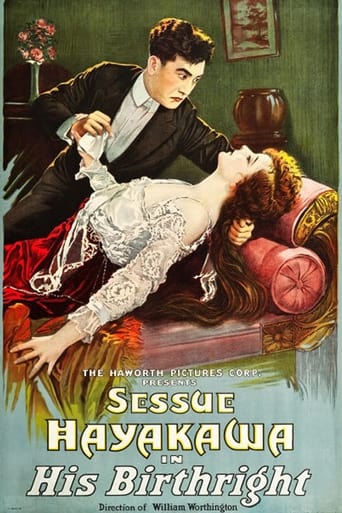
About Sessue Hayakawa
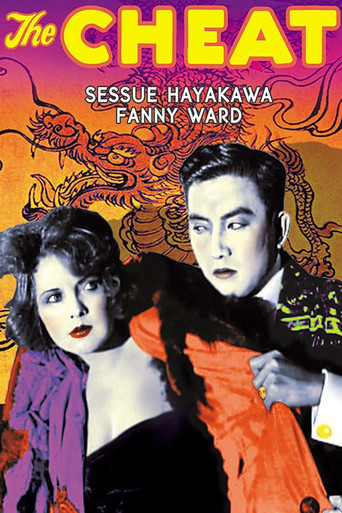
Sessue Hayakawa worked on one surviving credit: The Cheat (1915). He was discovered by film producer Thomas H. Ince while studying at the University of Chicago and made his film debut in 1914. Hayakawa's breakthrough came with Cecil B. DeMille's 'The Cheat' (1915), which established him as a major star and one of the highest-paid actors of his time, earning over $5,000 per week. In 1918, he formed his own production company, Haworth Pictures Corporation, becoming one of the first minority actors to achieve such independence in Hollywood. After the rise of talkies and growing anti-Asian sentiment in America, his Hollywood career declined, leading him to work in Europe and Japan. He made a remarkable comeback in the 1950s with roles in films like 'House of Bamboo' (1955) and earned an Academy Award nomination for Best Supporting Actor for his performance as Colonel Saito in 'The Bridge on the River Kwai' (1957). He continued acting until his retirement in 1966, leaving behind a legacy as a trailblazer for Asian representation in cinema.
The Craft
On Screen
Hayakawa was known for his intense, brooding screen presence and subtle, expressive acting style that transcended the limitations of silent film. He often played the 'exotic other' or villain but brought remarkable depth and complexity to these roles, using his eyes and physical presence to convey emotion. His performances were characterized by a controlled intensity and psychological nuance that was ahead of its time, particularly in his portrayal of tormented or conflicted characters. Unlike many silent actors who relied on exaggerated gestures, Hayakawa employed a more naturalistic approach that influenced later generations of actors.
Milestones
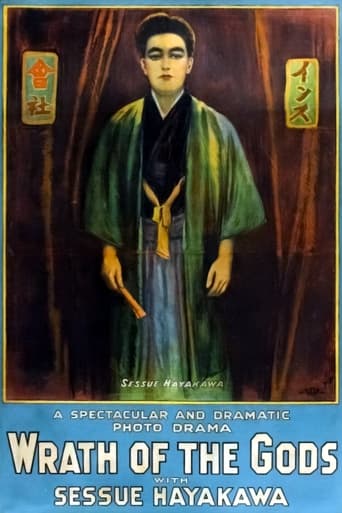
- Film debut in 'The Wrath of the Gods' (1914)
- Breakthrough role in 'The Cheat' (1915)
- Formed Haworth Pictures Corporation (1918)
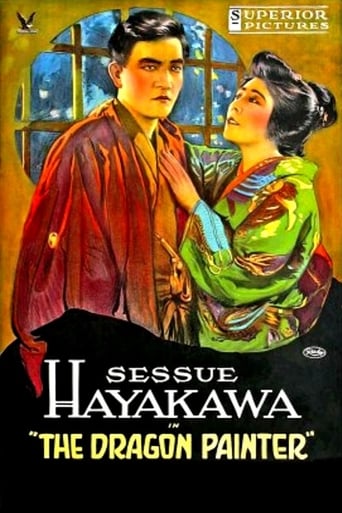
- Starred in 'The Dragon Painter' (1919)
- Academy Award nomination for 'The Bridge on the River Kwai' (1957)
- Hollywood Walk of Fame star (1960)
- Retirement from acting (1966)
Best Known For
Iconic Roles
Must-See Films
Accolades
Won
- Golden Globe for Best Supporting Actor (1958)
- New York Film Critics Circle Award for Best Actor (1915 for 'The Cheat')
Nominated
- Academy Award nomination for Best Supporting Actor (1958 for 'The Bridge on the River Kwai')
Special Recognition
- Hollywood Walk of Fame star (1960)
- Inducted into the Hall of Fame of Asian American Artists (2013)
- Featured on Japanese postage stamp (1996)
Working Relationships
Worked Often With
Studios
Why They Matter
Impact on Culture
Cultural pioneer who broke significant racial barriers in Hollywood during an era of extreme discrimination against Asian performers. As one of the first non-white actors to achieve leading man status in American cinema, he challenged stereotypes and paved the way for future generations of Asian actors. His success in the 1910s was unprecedented - he was one of the highest-paid actors in Hollywood regardless of race and owned his own production company. Despite being typecast in villainous or exotic roles, Hayakawa brought dignity and complexity to these characters, subtly subverting racist tropes. His career demonstrated both the possibilities and limitations for minorities in early Hollywood, and his later comeback in the 1950s showed remarkable resilience. He helped introduce Japanese culture and aesthetics to Western audiences and became an international cultural bridge between East and West.
Lasting Legacy
Sessue Hayakawa's legacy endures as that of a trailblazer who opened doors for Asian representation in Hollywood. His achievements include being the first Asian actor to achieve superstardom in American cinema, the first to command top-tier salaries, and among the first to form his own production company. His Oscar-nominated performance in 'The Bridge on the River Kwai' remains. Hayakawa's career arc - from silent era superstardom through career decline to triumphant comeback - serves as an inspiration for performers facing discrimination. He is remembered not just for his artistic contributions but for his dignity in the face of prejudice and his role in challenging Hollywood's racial barriers. Modern scholars and filmmakers increasingly recognize his importance in film history, and he is celebrated as a foundational figure in Asian American cinema.
Who They Inspired
Hayakawa influenced generations of Asian actors and filmmakers who followed him. His success proved that Asian performers could achieve stardom in Western cinema, inspiring actors like Mako, Pat Morita, and more recently, Daniel Dae Kim and Steven Yeun. His production company model showed minority actors the possibility of creative and financial independence, influencing later actor-producers. Directors like Ang Lee have cited Hayakawa as an inspiration for their own careers bridging Eastern and Western cinema. His subtle, psychological acting style influenced the move toward naturalism in film acting, and his ability to bring depth to stereotyped roles set a precedent for actors working within limited casting opportunities. Contemporary Asian American filmmakers often reference Hayakawa as a foundational figure in their artistic heritage.
Off Screen
Hayakawa's personal life was marked by both triumph and tragedy. He married fellow Japanese actress Tsuru Aoki in 1914, and their marriage was considered groundbreaking as an interracial union in early Hollywood. They had two children, a son named Yukio and a daughter named Fusako. Tragically, their son Yukio died in 1956 at age 30. After Tsuru's death in 1961, Hayakawa married Yoshiko Yamaguchi (also known as Li Xianglan), a famous Chinese-Japanese actress and singer. Hayakawa struggled with alcoholism during periods of his career but overcame it later in life. He became a Zen Buddhist practitioner and found peace in his later years before passing away from a cerebral thrombosis in Tokyo at age 84.
Education
Studied at the University of Chicago (1911-1912), attended naval school in Japan before being expelled
Family
- Tsuru Aoki (1914-1961, her death)
- Yoshiko Yamaguchi (1961-1973, his death)
Did You Know?
- Was one of the highest-paid actors in Hollywood during the 1910s, earning over $5,000 per week
- Was the first Asian actor to receive top billing in American films
- His own production company, Haworth Pictures, produced over 20 films
- Spoke fluent English, Japanese, and French
- Was a skilled Zen Buddhist calligrapher in his later years
- His 1915 film 'The Cheat' was selected for preservation in the National Film Registry in 1993
- Turned down the role that eventually went to Peter Lorre in 'Casablanca'
- Served as a goodwill ambassador between Japan and the United States after World War II
- Was friends with Charlie Chaplin and appeared in one of his home movies
- His Hollywood mansion was designed by renowned architect Frank Lloyd Wright
- Was offered Japanese citizenship back after becoming successful in America but declined
- His daughter Fusako became a successful fashion designer in Japan
In Their Own Words
I have always tried to bring dignity to my characters, even when they were villains
In Hollywood, I was always the Japanese man. In Japan, I was the Hollywood man. I was never quite at home anywhere
The camera doesn't lie. It shows what is in your heart
I wanted to show the world that Japanese people could be heroes too
Acting is not about being someone else, it's about finding yourself in the character
Frequently Asked Questions
Who was Sessue Hayakawa?
Japanese with credits in this catalog. He broke racial barriers as one of the first Asian leading men in American cinema and later earned an Academy Award nomination for 'The Bridge on the River Kwai' in 1957.
What films is Sessue Hayakawa best known for?
Titles linked here include The Cheat (1915), The Dragon Painter (1919).
When was Sessue Hayakawa born and when did he die?
Born June 10, 1889; died November 23, 1973.
What awards did Sessue Hayakawa win?
Hayakawa received an Academy Award nomination for Best Supporting Actor for 'The Bridge on the River Kwai' (1957) and won a Golden Globe for the same role. He also received a star on the Hollywood Walk of Fame in 1960 and was posthumously inducted into the Hall of Fame of Asian American Artists in 2013.
What was Sessue Hayakawa's acting style?
Hayakawa was known for his intense, brooding screen presence and subtle, naturalistic acting style that was ahead of its time. Unlike many silent actors who used exaggerated gestures, he employed psychological nuance and expressive eyes to convey emotion, bringing depth and complexity to his roles despite often being typecast as villains or exotic characters.
How did Sessue Hayakawa impact Hollywood?
Hayakawa broke significant racial barriers as one of the first non-white actors to achieve superstardom in Hollywood. He proved that Asian performers could be leading men and commanded top-tier salaries, challenging industry prejudices. His success paved the way for future generations of Asian actors and demonstrated the commercial viability of diverse casting.
Did Sessue Hayakawa have his own production company?
Yes, in 1918 Hayakawa formed Haworth Pictures Corporation, his own production company that produced over 20 films. This made him one of the first minority actors to achieve such independence in Hollywood and demonstrated his entrepreneurial spirit in an era when few actors of any background owned production companies.