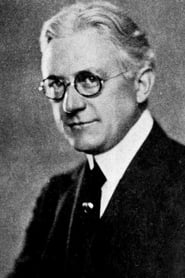
William Worthington
Director
Born: April 8, 1872 in Troy, New York, USA Died: April 9, 1941 Active: 1913-1941
Films
3 films
About William Worthington
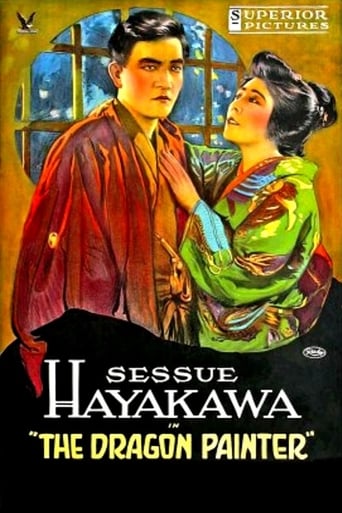
The 1919 film The Dragon Painter is the only title linked here for William Worthington. Born in Troy, New York, Worthington began his career as a stage actor before transitioning to the burgeoning film industry in the early 1910s. He initially found success as an actor, appearing in numerous silent films before moving behind the camera as a director. His most notable directorial work includes 'The Dragon Painter' (1919), which starred Hayakawa and his wife Tsuru Aoki, considered a masterpiece of cross-cultural cinema. Worthington directed over 60 films throughout his career, many of which featured Asian themes and characters, reflecting Hollywood's early fascination with Orientalism. He continued working in the film industry through the transition to sound, though his directing career waned in the 1920s. Worthington's legacy lies in his role as a bridge between cultures during Hollywood's formative years and his contributions to early Asian-American representation in cinema.
The Craft
Behind the Camera
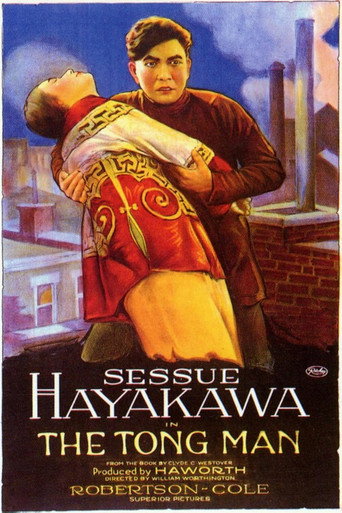
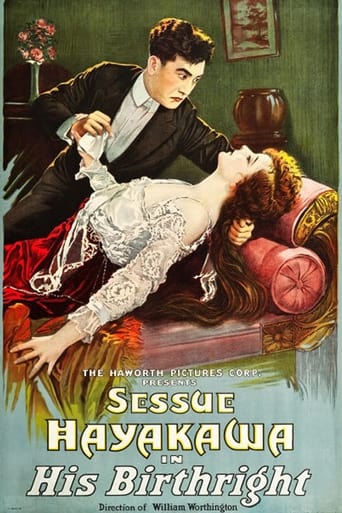
Worthington's directing style was characterized by a focus on visual storytelling and atmosphere, particularly evident in his films with Asian themes. He employed innovative camera techniques for the period, including location shooting and natural settings. His work with Sessue Hayakawa demonstrated a sensitivity to cross-cultural narratives, though filtered through the Orientalist lens of the era. He emphasized dramatic tension and emotional depth in his storytelling.
Milestones
- Transitioned from stage acting to silent films in early 1910s
- Directed 'The Dragon Painter' (1919) starring Sessue Hayakawa
- Collaborated extensively with Sessue Hayakawa on multiple films
- Directed over 60 films during silent era
- Successfully transitioned from acting to directing
- Pioneered cross-cultural cinema with Asian themes
Best Known For
Iconic Roles
Must-See Films
Accolades
Won
- No major awards documented from this period
Nominated
- No documented nominations from this era
Special Recognition
- Recognized as an important early director in Hollywood history
- Noted for contributions to Asian-American cinema representation
Working Relationships
Worked Often With
Studios
Why They Matter
Impact on Culture
William Worthington played a significant role in early Hollywood's engagement with Asian themes and stories, particularly through his collaborations with Sessue Hayakawa. His films, while reflecting the Orientalist attitudes of their time, helped introduce American audiences to Asian characters and narratives. 'The Dragon Painter' in particular was praised for its artistic merit and cross-cultural appeal, though it has since become a lost film. Worthington's work contributed to the early representation of Asian characters in American cinema, albeit through a Western lens that both exoticized and romanticized Asian culture.
Lasting Legacy
Worthington's legacy rests on his contributions to silent cinema and his role in early cross-cultural film production. His directorial work, particularly with Sessue Hayakawa, represents an important chapter in Hollywood's history of diversity and international collaboration. While many of his films have been lost to time, his influence on early Asian-American representation in film continues to be studied by film historians. His career exemplifies the transition from stage to screen that many performers made in the early 20th century, and his success as both actor and director demonstrates the versatility required during cinema's formative years.
Who They Inspired
Worthington influenced subsequent filmmakers through his early adoption of location shooting and natural settings in silent films. His work with Hayakawa helped pave the way for greater Asian representation in Hollywood, though filtered through contemporary stereotypes. His directorial techniques and visual storytelling approaches contributed to the evolving language of cinema during the silent era, influencing how dramatic narratives were constructed on screen.
Off Screen
William Worthington married actress Ella Hall, who was a prominent silent film star. Their marriage produced several children, including daughters who followed in their parents' footsteps into acting. The family was well-connected in Hollywood circles during the silent era. Worthington's personal life was relatively private compared to many Hollywood figures of his time, with few documented scandals or controversies.
Education
Limited formal education documented; primarily trained through stage experience and practical film work
Family
- Ella Hall (married 1915-1941)
Did You Know?
- Began his career as a stage actor before entering films
- Directed 'The Dragon Painter' which is now considered a lost film
- Worked extensively with Japanese star Sessue Hayakawa during a time of limited Asian representation in Hollywood
- Married to actress Ella Hall, creating a Hollywood power couple of the silent era
- Directed over 60 films during his career, though many are now lost
- His films often featured exotic locations and themes popular with audiences of the time
- Successfully navigated the transition from silent films to early talkies
- Died just one day after his 69th birthday in 1941
- His daughter Ellen Hall also became a successful actress
- Collaborated frequently with screenwriter Marion Fairfax on multiple projects
In Their Own Words
No documented famous quotes from William Worthington, as was common for many directors of the silent era who rarely gave interviews or published their thoughts on filmmaking
Frequently Asked Questions
Who was William Worthington?
American actor and on YTB.my. He transitioned from stage acting to films and directed over 60 movies during his career, often featuring cross-cultural themes and Asian characters.
What films is William Worthington best known for?
Titles linked here include The Dragon Painter (1919), The Courage of Marge O'Doone (1920).
When was William Worthington born and when did he die?
Born April 8, 1872; died April 9, 1941.
What awards did William Worthington win?
William Worthington worked during an era before major film awards like the Academy Awards were established, so no formal awards or nominations are documented. However, he is recognized by film historians for his contributions to early cinema and cross-cultural filmmaking, particularly his work with Asian themes and characters.
What was William Worthington's directing style?
Worthington's directing style emphasized visual storytelling and atmosphere, particularly evident in his films with Asian themes. He employed innovative camera techniques for the period, including location shooting and natural settings. His work focused on dramatic tension and emotional depth, using the visual language of silent cinema to tell compelling cross-cultural stories, though often through the Orientalist lens of his time.