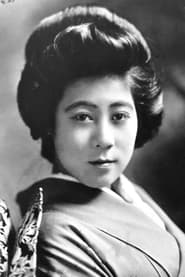
Tsuru Aoki
Actor
Born: September 9, 1892 in Tokyo, Japan Died: January 18, 1961 Active: 1914-1919
Films
5 films
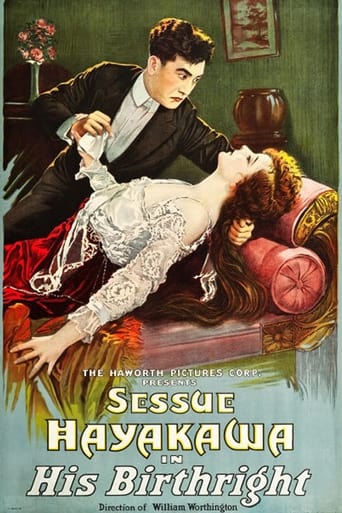
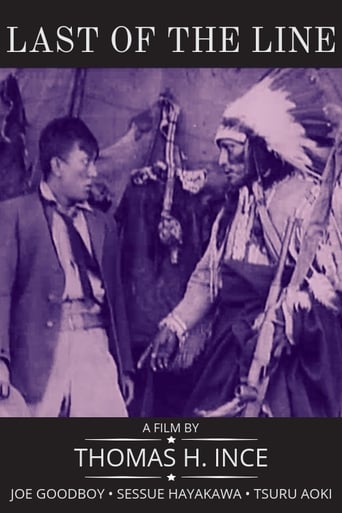
About Tsuru Aoki
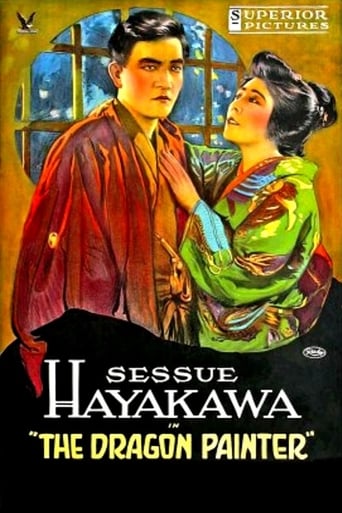
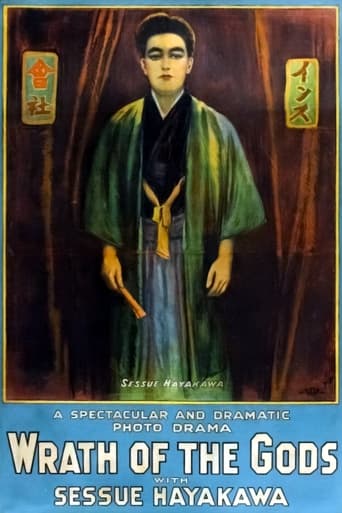
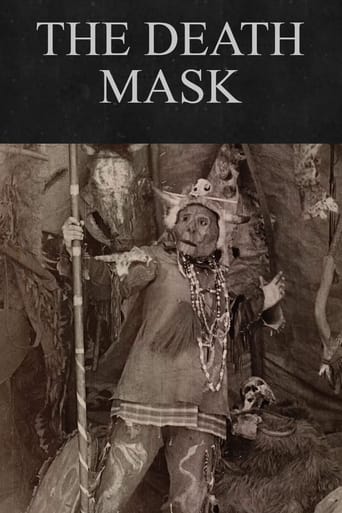
Tsuru Aoki worked on one surviving credit: The Wrath of the Gods (1914). Born in Tokyo, Japan, she immigrated to the United States and began her film career in the early 1910s, quickly becoming one of the first Japanese actresses to gain recognition in American cinema. Her career was significantly intertwined with that of her husband, Sessue Hayakawa, whom she married in 1914 in what was considered a controversial interracial marriage at the time. Aoki appeared in numerous films throughout the 1910s, often portraying traditional Japanese characters that catered to Western audiences' fascination with Asian culture. Her most notable performances included roles in 'The Wrath of the Gods' (1914), 'The Death Mask' (1914), and 'The Dragon Painter' (1919), the latter being widely regarded as her masterpiece. After her relatively brief but impactful acting career, Aoki retired from filmmaking to focus on her family while supporting her husband's continued success in Hollywood. Her legacy lies in her role as a trailblazer for Asian representation in American cinema during a period of significant racial barriers.
The Craft
On Screen
Tsuru Aoki's acting style was characterized by graceful, expressive performances that blended traditional Japanese theatrical techniques with the emerging language of silent film. She possessed a delicate yet commanding screen presence, using subtle gestures and facial expressions to convey deep emotions without dialogue. Her performances often embodied the Western ideal of exotic Japanese femininity while maintaining authentic cultural elements. Aoki was particularly skilled at portraying characters with inner strength beneath a placid exterior, a quality that resonated with audiences of her era.
Milestones
- Marriage to Sessue Hayakawa in 1914, creating one of Hollywood's first interracial power couples
- Breakthrough performance in 'The Wrath of the Gods' (1914)
- Co-founding Haworth Pictures Corporation with her husband
- Critically acclaimed role in 'The Dragon Painter' (1919)
- Becoming one of the first Japanese actresses to achieve mainstream recognition in Hollywood
- representation for Asian actors in American silent cinema
Best Known For
Iconic Roles
Must-See Films
Accolades
Special Recognition
- Posthumous recognition as a figure for Asian representation in Hollywood
- Featured in film history retrospectives on early Asian-American cinema
- Honored in Japanese-American cultural exhibitions
Working Relationships
Worked Often With
Studios
Why They Matter
Impact on Culture
Tsuru Aoki's cultural impact extends far beyond her filmography, as she represented a significant breakthrough for Asian representation in early Hollywood. During an era when Asian characters were typically played by white actors in yellowface, Aoki brought authenticity and dignity to Japanese roles on screen. Her marriage to Sessue Hayakawa challenged racial taboos and demonstrated the possibility of interracial relationships in the public eye. Aoki's success helped create opportunities for other Asian performers and contributed to a more nuanced portrayal of Asian culture in American cinema. Her work with Haworth Pictures Corporation, an independent production company she co-founded with her husband, represented an early example of minority-controlled film production in Hollywood.
Lasting Legacy
Tsuru Aoki's legacy endures as that of a trailblazer who opened doors for future generations of Asian performers in Hollywood. Though her career was relatively brief, her impact on breaking racial barriers in American cinema cannot be overstated. She demonstrated that Asian actors could carry leading roles and appeal to mainstream audiences, challenging the industry's discriminatory practices. Modern film historians and scholars frequently cite Aoki as an important figure in the history of Asian-American cinema. Her performances, particularly in 'The Dragon Painter,' continue to be studied for their artistic merit and cultural significance. Aoki's story serves as an inspiration for actors of color seeking to make their mark in an industry that has historically marginalized non-white performers.
Who They Inspired
Tsuru Aoki influenced subsequent generations of Asian actors by proving that authentic Asian performances could find success in Hollywood. Her work helped establish a precedent for Asian-led productions through Haworth Pictures Corporation, inspiring future independent filmmakers from minority communities. Aoki's graceful yet powerful screen presence set a standard for Asian actresses who followed, including Anna May Wong and later performers like Miyoshi Umeki. Her successful marriage and partnership with Sessue Hayakawa also demonstrated the possibility of maintaining cultural identity while achieving mainstream success in America. Contemporary Asian-American filmmakers often reference Aoki and Hayakawa as figures who laid groundwork for increased representation in Hollywood.
Off Screen
Tsuru Aoki's personal life was marked by her groundbreaking marriage to Sessue Hayakawa, which challenged racial conventions of early 20th century America. The couple faced significant prejudice but maintained a strong partnership throughout their lives. They had three children together: a son who died in infancy, and two daughters, Yoshiko and Fujiko. After retiring from acting, Aoki dedicated herself to supporting her husband's career and raising their family. The couple eventually moved to Japan in the 1920s before returning to the United States. Aoki remained married to Hayakawa until her death in 1961, their union spanning nearly five decades.
Education
Limited formal education documented; likely received traditional Japanese education before immigrating to the United States
Family
- Sessue Hayakawa (1914-1961)
Did You Know?
- She was discovered by a talent scout while performing in a Japanese theater production in Los Angeles
- Her marriage to Sessue Hayakawa was considered scandalous at the time due to anti-miscegenation laws and attitudes
- The couple's 1914 wedding was a major media event, covered extensively by newspapers across the United States
- Aoki and Hayakawa were among the wealthiest couples in Hollywood during their peak years
- She was fluent in both Japanese and English, which was rare for Japanese immigrants of her generation
- After retiring from films, she became an accomplished painter and calligrapher
- The couple's production company, Haworth Pictures, was one of the first independent film companies run by Asian-Americans
- She was known for her elaborate traditional Japanese costumes, which she often helped design herself
- Aoki was one of the few Japanese actresses of her era to receive top billing in American films
- Her films were particularly popular in both the United States and Japan, creating a rare cross-cultural appeal
In Their Own Words
In America, I found not only a new home but a new stage on which to share the beauty of our Japanese culture with the world.
Marriage between different races should not be seen as a barrier, but as a bridge between cultures.
The camera does not lie, and I hope it shows the truth of our Japanese spirit in every performance.
Frequently Asked Questions
Who was Tsuru Aoki?
Japanese actress in silent era Hollywood, one of the first Japanese performers to achieve mainstream recognition in American cinema. She was married to fellow actor Sessue Hayakawa and appeared in numerous films during the 1910s, helping to break racial barriers for Asian performers in Hollywood.
What films is Tsuru Aoki best known for?
Titles linked here include The Wrath of the Gods (1914), The Death Mask (1914).
When was Tsuru Aoki born and when did she die?
Born September 9, 1892; died January 18, 1961.
What awards did Tsuru Aoki win?
During her active period in the 1910s, formal award systems for films were not yet established. However, she received posthumous recognition for her role in Asian-American cinema and is honored in film history retrospectives as a groundbreaking figure for Asian representation in Hollywood.
What was Tsuru Aoki's acting style?
Tsuru Aoki's acting style blended traditional Japanese theatrical techniques with silent film performance, characterized by graceful movements and expressive facial expressions. She specialized in portraying characters with inner strength beneath a calm exterior, bringing authenticity to Japanese roles at a time when Asian characters were typically played by white actors.