

Marin Sais
Actor
Born: August 2, 1890 in San Rafael, California, USA Died: December 31, 1971 Active: 1910-1937 Birth Name: Marin Louise Sais
Films
4 films
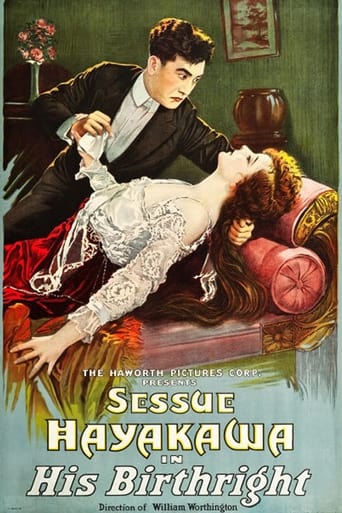
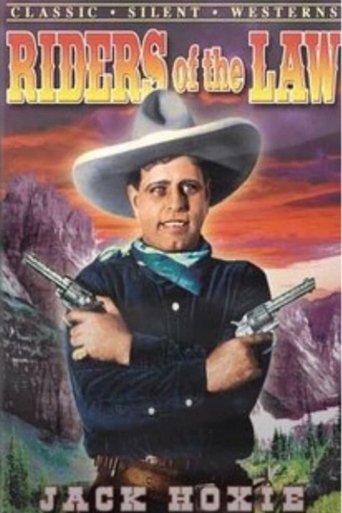
About Marin Sais
Marin Louise Sais — prolific American actress who became recognizable faces in silent Western films and serials. Born in San Rafael, California, she began her film career in 1910 with Vitagraph Studios, appearing in adaptations of literary classics including Twelfth Night. Throughout the 1910s and 1920s, she established herself as a versatile performer, transitioning from dramatic roles to becoming a staple of Western cinema where she often played strong, independent female characters. Sais worked extensively with cowboy stars like William S. Hart and Tom Mix, appearing in over 200 films during her career. She successfully made the transition to sound films in the late 1920s, though her roles became smaller as she aged. By the 1930s, she was often cast as the mother or older woman in B-movies and serials. Her nearly four decades, making her enduring actresses of the silent era who successfully adapted to the changing film industry.
The Craft
On Screen
Known for her naturalistic acting style that was ahead of its time in the silent era. She brought authenticity to her Western roles, avoiding melodramatic gestures in favor of more subtle expressions. Her screen presence was described as genuine and relatable, making her particularly effective in portraying strong frontier women.
Milestones
- Film debut in Twelfth Night (1910)
- Became leading lady in Western films throughout the 1910s
- Starred in numerous serials in the 1920s
- Successfully transitioned to sound films
- Appeared in over 200 films during her career
Best Known For
Iconic Roles
Must-See Films
Accolades
Special Recognition
- Western Stars Walk of Fame inductee (posthumously recognized)
Working Relationships
Worked Often With
Studios
Why They Matter
Impact on Culture
Marin Sais was instrumental in establishing the archetype of the strong, independent Western heroine during the silent film era. At a time when most female characters in Westerns were relegated to damsel-in-distress roles, Sais portrayed women who could ride, shoot, and hold their own alongside male cowboys. Her performances helped challenge gender stereotypes in early cinema and paved the way for more complex female characters in the Western genre. She was particularly influential in popularizing serial films with female protagonists, demonstrating that audiences would embrace action-oriented female leads.
Lasting Legacy
Marin Sais left a lasting legacy as. With over 200 film appearances, she represents the transition from theatrical acting styles to more naturalistic screen performances. Her work in Westerns helped establish the genre's conventions while also pushing boundaries for female representation. Film historians recognize her as an important figure who demonstrated the commercial viability of female-led action films decades before such roles became commonplace. Her career longevity, spanning from the early days of cinema through the transition to sound, shows her adaptability and talent.
Who They Inspired
Sais influenced generations of Western actresses who followed, showing that female characters could be integral to the genre beyond romantic interests. Her naturalistic acting style influenced the move away from the exaggerated pantomime common in early silent films toward more subtle, realistic performances. Directors like John Ford, who worked with her early in their careers, carried forward her approach to authentic Western storytelling. Modern Western actresses owe a debt to Sais for breaking ground in portraying capable, independent frontier women.
Off Screen
Marin Sais married three times during her life. Her first marriage was to actor and director Edward H. Boulden in 1913, which ended in divorce. She then married director and producer Scott R. Dunlap in 1920, but this marriage also ended in divorce. Her third and longest marriage was to Harry B. Harris, a real estate broker, whom she married in 1930 and remained with until his death. Despite her high-profile career, Sais was known for being private about her personal life and rarely gave interviews about her relationships. She retired from acting in 1937 to focus on her family and lived the remainder of her life in California.
Education
Educated in San Francisco schools, attended dramatic classes as a teenager
Family
- Edward H. Boulden (1913-1917)
- Scott R. Dunlap (1920-1928)
- Harry B. Harris (1930-1963)
Did You Know?
- Began her career as a stage actress in San Francisco before transitioning to films
- Was one of the few actresses to successfully make the transition from silent to sound films in the Western genre
- Often performed her own stunts in action sequences
- Was known for her horsemanship and could ride as well as her male co-stars
- Her filmography includes more lost films than extant ones due to the deterioration of silent film stock
- Was one of the founding members of the Motion Picture Relief Fund
- Retired from acting in 1937 but made a brief return in 1941 for one final film appearance
- Was an accomplished painter in her retirement years
- Lived to be 81 years old, outliving many of her silent film contemporaries
- Her name 'Marin' was unusual for the time and may have contributed to her memorable screen presence
In Their Own Words
I never considered myself a star, just an actress who loved her work and was grateful for every opportunity
In the West, a woman has to be strong to survive, and I tried to bring that strength to my characters
The transition to sound was difficult for many of us, but I believed that good acting transcended any medium
Frequently Asked Questions
Who was Marin Sais?
Prolific American actress best known for her work in silent Western films and serials during the 1910s and 1920s. She appeared in over 200 films and was particularly noted for portraying strong, independent female characters in Westerns, challenging the typical damsel-in-distress roles of the era.
What films is Marin Sais best known for?
Titles linked here include Twelfth Night (1910), The Devil's Own (1916).
When was Marin Sais born and when did she die?
Born August 2, 1890; died December 31, 1971.
What awards did Marin Sais win?
While Marin Sais did not receive major formal awards during her career, she has been posthumously recognized with induction into the Western Stars Walk of Fame. Her legacy is primarily honored through film historians' recognition of her contributions to the Western genre and early cinema.
What was Marin Sais's acting style?
Marin Sais was known for her naturalistic acting style that was ahead of its time in the silent era. She avoided the exaggerated gestures common in early films in favor of more subtle, authentic performances, particularly effective in her Western roles where she portrayed capable, independent frontier women.