Films
3 films
About Cortland Van Deusen
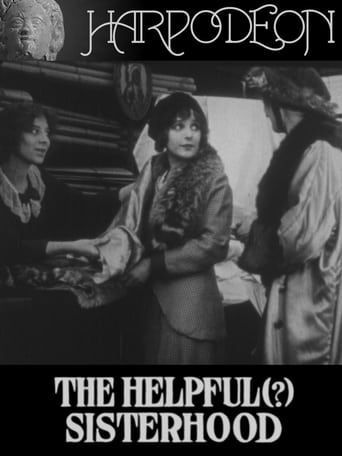
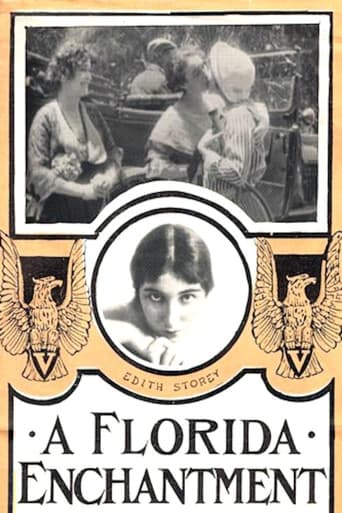
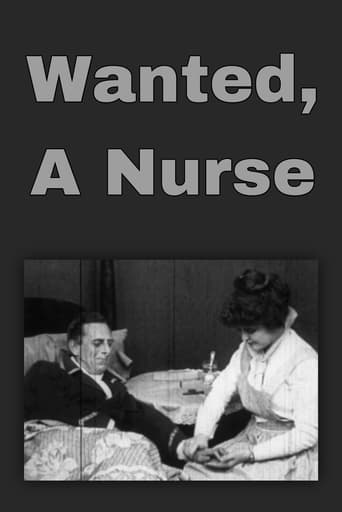
American actor who had a brief but notable career during the early silent film era, appearing in three films between 1914 and 1915. His work came cinema history when narrative films were evolving from simple shorts to more complex storytelling. Van Deusen appeared in 'A Florida Enchantment' (1914), a particularly significant film that was one of the earliest American movies to explore themes of gender transformation and identity. His other known works include 'The Helpful (?) Sisterhood' (1914) and 'Wanted, a Nurse' (1915), both typical of the short-form comedies and dramas popular during this transitional period in American cinema. Despite his limited filmography, Van Deusen was part of the generation of actors who helped establish the foundations of narrative filmmaking. His career appears to have been concentrated exclusively in the New York film production scene, which was competing with Hollywood for dominance in the early 1910s. After 1915, there is no record of Van Deusen continuing in the film industry, suggesting he may have returned to stage work or pursued another career entirely.
The Craft
Milestones
- Appeared in the groundbreaking film 'A Florida Enchantment' (1914)
- Worked during the transitional period of early American cinema
- Participated in New York-based film production before Hollywood's dominance
Best Known For
Must-See Films
Working Relationships
Studios
Why They Matter
Impact on Culture
Cortland Van Deusen's contribution to cinema, while brief, is part of the important foundation of early American film history. His appearance in 'A Florida Enchantment' places him within a film that was remarkably progressive for its time, dealing with themes of gender identity that would remain controversial for decades. The film itself has gained retrospective attention from film historians and scholars studying early LGBTQ representation in cinema, making Van Deusen's participation historically significant. As an actor working in the New York film scene during the period when the industry was transitioning from its East Coast roots to Hollywood dominance, he represents the many performers who were part of this crucial but often undocumented transitional phase of American film history.
Lasting Legacy
Cortland Van Deusen's legacy is primarily preserved through his participation in 'A Florida Enchantment,' a film that has survived to the present day and continues to be studied by film historians. While his personal career was brief and he never achieved stardom, his work contributes to our understanding of early 20th-century American cinema and the types of performers who populated these films. The survival of his films ensures that his performances remain accessible to modern audiences interested in the origins of American narrative cinema, particularly during the period when New York was still a major production center before Hollywood's complete dominance.
Who They Inspired
Given the brevity of Cortland Van Deusen's film career and his status as a supporting actor in only three known films, there is no documented evidence of his direct influence on other performers or filmmakers. However, his participation in early cinema contributes to the collective influence of the generation of actors who established the conventions of film acting that would be built upon by subsequent generations. His work in 'A Florida Enchantment' particularly places him within a film that pushed boundaries and explored themes that would become more prominent in cinema decades later.
Off Screen
Very little is known about Cortland Van Deusen's personal life, as was common for many actors from the early silent era who had brief careers. His disappearance from film records after 1915 suggests he may have pursued other career paths or returned to theatrical work. The lack of biographical information is typical of many early film actors who worked before the star system was fully established and before comprehensive record-keeping became standard in the industry.
Did You Know?
- Appeared in 'A Florida Enchantment,' one of the earliest American films to feature gender transformation themes
- His entire known film active years covered only two years (1914-1915)
- Worked during the period when New York was still competing with Hollywood as America's film production center
- All three of his known films were short productions, typical of the era before feature films became standard
- His filmography includes one question mark in the title ('The Helpful (?) Sisterhood'), reflecting the playful titling conventions of early cinema
- No records exist of him continuing in films after 1915, making him part of the many 'lost' actors of early cinema
- His work with the Lubin Manufacturing Company places him within one of the early major film studios
Frequently Asked Questions
Who was Cortland Van Deusen?
Screen credits include three films between 1914 and 1915, including the notable 'A Florida Enchantment.' His career was brief but occurred during a pivotal period in early American cinema development.
What films is Cortland Van Deusen best known for?
Titles linked here include A Florida Enchantment (1914), The Helpful (?) Sisterhood (1914).
When was Cortland Van Deusen born and when did he die?
Unfortunately, no reliable birth or death records for Cortland Van Deusen have been located, which is common for many actors who had brief careers in the early silent film era before comprehensive record-keeping became standard.
What awards did Cortland Van Deusen win?
There are no records of Cortland Van Deusen receiving any awards or honors during his brief film career. The Academy Awards were not established until 1929, well after his acting career had ended.
What was Cortland Van Deusen's acting style?
Specific details about Van Deusen's acting style are not documented in surviving records, though he would have worked within the theatrical, exaggerated style typical of early silent film acting before the emergence of more naturalistic performance techniques.
Why did Cortland Van Deusen's career end so quickly?
The exact reason for Van Deusen's departure from films after 1915 is unknown, but many early film actors had brief careers due to the instability of the industry, competition from other performers, or simply choosing to pursue other career paths.
Was Cortland Van Deusen his real name?
There is no documentation suggesting that 'Cortland Van Deusen' was a stage name, though it's possible given the theatrical conventions of the era. His birth name, if different, has not been recorded in available sources.