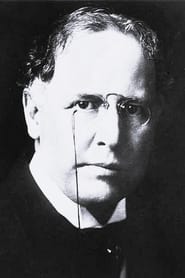
Van Dyke Brooke
Actor & Director
Born: June 22, 1859 in Detroit, Michigan, United States Died: September 17, 1921 Active: 1909-1921 Birth Name: Stewart Van Dyke Brooke
Films
4 films
About Van Dyke Brooke
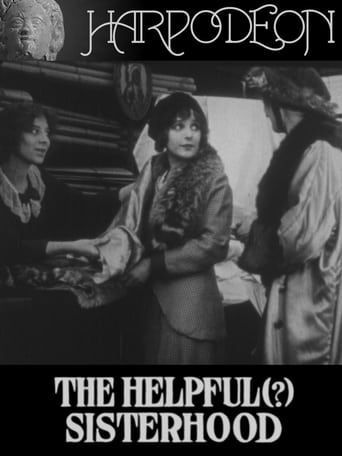
Van Dyke Brooke appears in Captain Jinks, the Cobbler (1916), The Helpful (?) Sisterhood (1914), Captain Jinks' Love (1915) in this catalog. Beginning his film career around 1909, Brooke quickly established himself as a versatile character actor with a distinctive appearance, often portraying authority figures, fathers, and comedic characters. His directorial work was equally significant, with him helming dozens of shorts and features between 1911 and 1916, often starring in his own productions. Brooke was particularly known for his work in the popular 'Captain Jinks' comedy series, which showcased his talent for both physical comedy and subtle character work. His films frequently explored themes of family dynamics and social situations, reflecting the sensibilities of the Progressive Era. Despite his prolific output and popularity during the 1910s, Brooke's career was cut short by his untimely death in 1921, just as the film industry was transitioning from shorts to feature-length productions. His legacy lies in his substantial contribution to early American cinema, both as a performer who helped establish film acting conventions and as a director who helped shape the language of silent film storytelling.
The Craft
On Screen
Brooke's acting style was rooted in his theatrical training but adapted effectively for the camera, featuring exaggerated yet controlled gestures that communicated emotion clearly to silent film audiences. He possessed a remarkable ability to convey complex emotions through subtle facial expressions, particularly his expressive eyes and distinctive mustache. His performances ranged from broad physical comedy in the Captain Jinks series to more nuanced dramatic roles in family melodramas. Brooke specialized in playing paternal figures and authority figures with warmth and gravitas, often serving as the moral center of his films. His stage background gave him a commanding presence and excellent diction, which translated well to silent film's reliance on physical expression.
Behind the Camera
As a director, Brooke favored straightforward, narrative-driven storytelling with clear emotional arcs and moral lessons, typical of the Vitagraph house style. He demonstrated particular skill in directing children and family dynamics, often drawing on his own experience as a father figure in his films. His pacing was deliberate but efficient, packing complete stories into the one- or two-reel format that dominated the era. Brooke's visual style was clean and uncluttered, focusing attention on his actors' performances rather than elaborate camera techniques. He was known for his ability to extract naturalistic performances from his cast, particularly in comedic situations where timing and rhythm were crucial.
Milestones
- Joined Vitagraph Studios as one of their leading character actors
- Directed and starred in the popular 'Captain Jinks' comedy series
- Made the transition from stage to film during cinema's formative years
- Directed over 100 short films during his career
- Mentored several young actors who would become major stars
Best Known For
Iconic Roles
Must-See Films
Accolades
Special Recognition
- Pioneer of American silent cinema
- Vitagraph Studios star director
Working Relationships
Worked Often With
Studios
Why They Matter
Impact on Culture
Van Dyke Brooke was instrumental in helping establish the conventions of American silent film acting and directing during a crucial transitional period when cinema was evolving from novelty to art form. His work with Vitagraph Studios contributed to the company's position as one of the leading American film producers before World War I. The Captain Jinks character he created and portrayed became one of the early recognizable comedy personas in American cinema, influencing subsequent comic character development. His films, particularly those dealing with family situations and moral dilemmas, reflected Progressive Era values and helped shape audience expectations for narrative cinema. Brooke's dual role as actor-director represented the multi-talented nature of early film pioneers who wore many hats in the industry's formative years.
Lasting Legacy
Van Dyke Brooke's legacy lies in his substantial contribution to the development of American silent cinema during its most dynamic period of growth. Though many of his films have been lost to time, his influence can be seen in the work of subsequent character actors and comedy directors who built upon the foundations he helped establish. His career exemplifies the transition from stage to screen that many performers of his generation experienced, and his success in both acting and directing demonstrated the versatility required in early cinema. The Captain Jinks series he created remains an important example of early American comedy series filmmaking. As a Vitagraph stalwart, Brooke was part of a studio that helped establish New York as an early center of American film production before the industry's migration to Hollywood.
Who They Inspired
Brooke influenced subsequent generations of character actors through his demonstrated ability to create memorable, nuanced performances within the constraints of silent film. His directorial work, particularly in comedy, helped establish pacing and timing techniques that would become standard in American film comedy. His success as both actor and director paved the way for other performers to take on dual creative roles in film production. The professional approach he brought to his work helped establish standards for reliability and quality in the rapidly expanding film industry of the 1910s. His mentorship of younger actors at Vitagraph contributed to the development of talent that would carry the industry into its golden age.
Off Screen
Van Dyke Brooke was married and had children, though specific details about his family life are scarce in historical records. He maintained a reputation as a respected professional in the burgeoning film industry, known for his reliability and work ethic. Despite his success in films, he never completely abandoned his theatrical roots and maintained connections with the stage community throughout his career. His death in 1921 at the age of 62 cut short a career that was still evolving as the film industry transitioned to longer features and more sophisticated storytelling techniques.
Education
Limited information available, likely educated in Detroit area; received theatrical training through practical experience in stage productions
Family
- Unknown (marriage details not well documented)
Did You Know?
- His real name was Stewart Van Dyke Brooke, but he professionally used Van Dyke Brooke
- He was one of Vitagraph Studios' most prolific directors, helming over 100 films
- The Captain Jinks character he created was one of the first recurring comedy characters in American cinema
- He began his career in theater before transitioning to films in the late 1900s
- Many of his films have been lost, as was common with silent era productions
- He often played characters much older than his actual age, thanks to his mature appearance
- His death in 1921 meant he never worked in sound films
- He frequently collaborated with comedian John Bunny, one of the first American film comedy stars
- His directing style was noted for its efficiency in telling complete stories in short formats
- He was part of the first generation of American film professionals who helped establish the industry
In Their Own Words
The camera is a harsh mistress, but she tells the truth when you learn her language
In pictures, we must show what we feel, for words are but shadows on the screen
Comedy in film requires the precision of a surgeon and the heart of a child
Frequently Asked Questions
Who was Van Dyke Brooke?
American actor and on YTB.my. He was a prolific filmmaker who both acted in and directed numerous films, including the popular Captain Jinks comedy series.
What films is Van Dyke Brooke best known for?
Titles linked here include Captain Jinks, the Cobbler (1916), The Helpful (?) Sisterhood (1914).
When was Van Dyke Brooke born and when did he die?
Born June 22, 1859; died September 17, 1921.
What awards did Van Dyke Brooke win?
Van Dyke Brooke worked during the early silent era before the establishment of major film awards like the Academy Awards. He was recognized as a pioneer of American cinema and was one of Vitagraph Studios' most respected filmmakers during his career.
What was Van Dyke Brooke's acting and directing style?
As an actor, Brooke brought theatrical training to film, using controlled gestures and expressive facial work suited to silent cinema. As a director, he favored clear narrative storytelling with efficient pacing, particularly excelling at family dramas and comedies with moral themes.
Did Van Dyke Brooke work in sound films?
No, Van Dyke Brooke died in 1921, before the transition to sound films in the late 1920s. His entire film career was in the silent era.
What studio did Van Dyke Brooke work for primarily?
Van Dyke Brooke was primarily associated with Vitagraph Studios, one of the leading American film production companies of the 1910s, where he was one of their most prolific actor-directors.