
Captain Jinks, the Cobbler
"1916 film by Van Dyke Brooke"
Keys: Space play/pause · ←/→ 10s · F fullscreen · M mute · </> speed
About this film
Copyright filing, was loosely based on the true story of celebrated conman Friedrich Wilhelm Voigt, who passed as a Prussian officer and commandeered funds from the Köpenick municipal treasury in 1906. Hounded by his nagging wife, the cobbler dons the officer’s uniform and parades about town. The film ends with cobbler pondering the pros and cons. Was one of two Jinks comedies released by Vitagraph for Christmas 1916 and, according to the U.S. In Vitagraph’s adaptation of the tale, the first movie version made in America, an army officer in some unpronounceable Central European town directs Ji…
Cast & crew
More films like this

More Comedy films
View all →






More from Van Dyke Brooke
View all →
More about this film
About the production
Release dateDecember 1916
ProductionVitagraph Company of America
Filmed inVitagraph Studios, Brooklyn, New York
This was one of two Jinks comedies released by Vitagraph for Christmas 1916. The film was produced during the silent era, utilizing the standard production methods of the time, including single-camera setups and natural lighting. As a Vitagraph production, it would have been filmed on their studio lot in Brooklyn, which was one of the major film production centers before the industry's migration to Hollywood. The film represents Vitagraph's attempt to capitalize on the popularity of European stories while American audiences were fascinated with European affairs during World War I.
Themes
Identity and deceptionMarital discordAuthority and bureaucracySocial class mobilityThe absurdity of power
Themes & topics
cobblerimpersonationmilitary uniformcon artistnagging wifesmall townEuropean settingcourtroomdilemmaChristmas releasebased on true storysilent comedy
Historical background
Captain Jinks, the Cobbler (1916) circulated in the silent era. Copyright filing, was loosely based on the true story of celebrated conman Friedrich Wilhelm Voigt, who passed as a Prussian officer and commandeered funds from the Köpenick municipal treasury in 1906. Contemporary trade papers and later preservation notes document its place among nickelodeon and cinema-club programs.
Why this film matters
Captain Jinks, the Cobbler remains accessible to researchers and viewers as a screen title in museum, archive, and streaming collections. In Vitagraph’s adaptation of the tale, the first movie version made in America, an army officer in some unpronounceable Central European town directs Jinks to repair his gear.
Making of
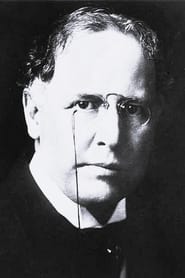
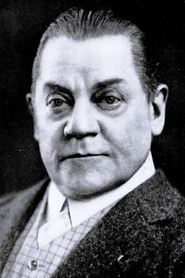
Captain Jinks, the Cobbler was directed by Van Dyke Brooke, a veteran filmmaker who began his career as an actor on Broadway before transitioning to films in the early 1910s. Brooke had a reputation for working well with comedic talent and understanding the timing required for silent comedy. Frank Daniels, starring as Jinks, was a Vitagraph regular who had developed a following for his Everyman comic characters. The film was produced quickly, as was typical for comedies of this era, likely completing production in just a few days. Vitagraph's Brooklyn studios provided the European town setting through their standing sets, which could be dressed to resemble various European locations. The costume department would have created the military uniform that serves as the film's central prop, ensuring it looked authentic enough to be believable within the story's context. Mildred Manning, playing the nagging wife, would have used the exaggerated physical acting style common in silent films to convey her character's domineering nature without dialogue.
What critics said
Day-one reviews for Captain Jinks, the Cobbler are sparse in digitized press archives; later criticism treats it as a reference point for 1916 cinema programming and preservation.
Did you know?
- This was the first American film adaptation of the famous 'Captain of Köpenick' story, based on real-life conman Friedrich Wilhelm Voigt's 1906 exploit
- The real Friedrich Wilhelm Voigt was a German shoemaker who successfully impersonated a Prussian military officer and confiscated over 4,000 marks from the municipal treasury
- Director Van Dyke Brooke was both an actor and director who had been making films since the early 1910s and often worked with comedians
- Frank Daniels, who played Captain Jinks, was a popular comic actor of the era known for his work in short comedies
- The film was released during World War I, making its European setting particularly relevant to contemporary audiences
- The story of the 'Captain of Köpenick' became so famous that it inspired numerous stage plays, films, and even an opera
- Vitagraph was one of the oldest American film companies, founded in 1897, and was known for producing quality comedies and dramas
- The film's premise of choosing between jail and a nagging wife was a common comedic trope of the silent era
- This was one of many 'impersonation' comedies popular in the 1910s, where ordinary people gained power through mistaken identity
- The real Voigt's exploit became a symbol of the blind obedience to authority in German militaristic society
Visual style
As a 1916 Vitagraph production, Captain Jinks, the Cobbler would have utilized the standard cinematographic techniques of the silent era. The film was likely shot on 35mm black and white film using stationary cameras with occasional pans to follow action. The lighting would have been primarily natural or studio lighting, creating the high contrast typical of films from this period. The cinematographer would have focused on clear composition to ensure the story was visually understandable without dialogue. Medium shots would have been used for character interactions, while wider shots would establish the European town setting. The military uniform would have been given special visual emphasis through lighting and framing to highlight its importance to the plot. The film would have featured intertitles to convey dialogue and exposition, with carefully composed shots that left space for these text inserts.
Innovations
Captain Jinks, the Cobbler employed standard film technology for its era but demonstrated Vitagraph's commitment to quality production values. The film would have been shot using hand-cranked cameras, requiring skilled camera operators to maintain consistent speed. The production likely utilized Vitagraph's advanced studio lighting systems, which were among the best in the industry at the time. The costume department's creation of an authentic-looking military uniform represents a significant technical achievement, as it needed to be convincing enough to drive the plot. The film's editing would have been done on a Moviola or similar flatbed editor, with careful attention to comic timing in the cut sequences. As a two-reel comedy, the film represents the standard length for comedy shorts of this period, balancing storytelling efficiency with character development.
Music
As a silent film, Captain Jinks, the Cobbler had no recorded soundtrack but would have been accompanied by live music during theatrical exhibitions. The musical accompaniment would typically have been provided by a theater organist or small ensemble, using popular and classical pieces appropriate to the action on screen. For a comedy like this, the music would have been light and playful, with faster tempos during comic sequences and more dramatic music during moments of tension or revelation. The European setting might have inspired the use of popular continental melodies or marches, particularly during scenes involving the military uniform. The score would have been improvised or selected from standard libraries of silent film music, with cues timed to match the action and emotional beats of the story. The music would have been essential in establishing the film's comedic tone and helping audiences understand the characters' emotions without dialogue.
Famous quotes
The choice is yours, Captain Jinks: two years in jail or at home with your wife
Sometimes the uniform makes the man, even when the man is only a cobbler
In this town, a captain's word is worth more than a cobbler's entire shop
Justice comes in many forms, some more cruel than others
Memorable scenes
- The moment when Jinks first tries on the military uniform and sees his reflection transformed
- Jinks parading through town in his stolen uniform, receiving salutes from unsuspecting citizens
- The burgomeister ceremoniously awarding Jinks the officer's bonus, completely fooled by the impersonation
- The courtroom scene where Jinks is given his impossible choice between jail and his wife
- The final shot of Jinks pensively weighing his options, leaving the audience to wonder which he'll choose
What audiences thought
Audiences in 1916 would have found Captain Jinks, the Cobbler entertaining for its relatable premise of an ordinary man caught in extraordinary circumstances. The theme of escaping a nagging wife would have resonated with working-class audiences, many of whom experienced similar domestic situations. The film's European setting during wartime would have added an element of exotic appeal while still being accessible through the universal themes of marriage, authority, and deception. As a Christmas release, it likely attracted families looking for holiday entertainment. The physical comedy and clear visual storytelling would have made it easily understandable to diverse audiences, including recent immigrants. The film's conclusion, leaving Jinks to ponder his choice between jail and his wife, would have provided audiences with a satisfying comedic dilemma to discuss after leaving the theater.
Film connections
Influenced by
- The real story of Friedrich Wilhelm Voigt (The Captain of Köpenick)
- Popular European folk tales of clever commoners
- Stage comedies about marital strife
- Earlier Vitagraph comedy productions
- The tradition of mistaken identity comedies
This film influenced
- Later adaptations of the Captain of Köpenick story
- Vitagraph's subsequent Jinks comedies
- 1931 German film 'Der Hauptmann von Köpenick'
- 1956 German film 'The Captain of Köpenick'
- Comedy films about impersonation and mistaken identity
Film restoration
Like many films from 1916, Captain Jinks, the Cobbler is considered a lost film. The vast majority of silent films, estimated at 75-90%, have been lost due to the fragile nature of nitrate film stock, neglect, and the lack of preservation efforts in the early decades of cinema. Vitagraph films from this period have a particularly low survival rate. While copies may exist in private collections or undiscovered archives, no known preserved copies are currently accessible to the public or held by major film archives such as the Library of Congress, the Museum of Modern Art, or the UCLA Film & Television Archive. The film exists only through written descriptions, reviews, and documentation of its production and release.
Where to watch
- Currently unavailable for viewing due to lost film status
- Film archives may have documentation or stills
- Academic institutions with Vitagraph collections might have related materials
- Silent film festivals occasionally show fragments if discovered
- The Library of Congress catalog lists the film but no viewing copy