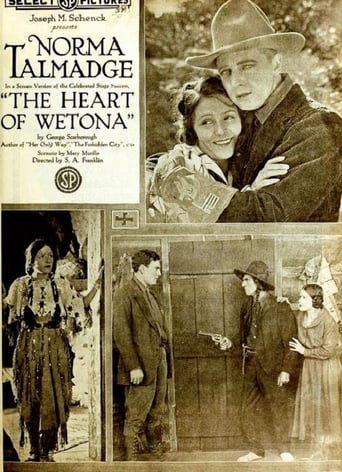
Films
1 film
About Chief White Eagle
Native Chief White Eagle — American actor of the silent era, most notably in the 1919 feature film 'The Heart of Wetona.' Like many Indigenous performers of his time, he was cast in Hollywood productions during a period when studios frequently sought Native American actors for stereotypical roles. His brief film career appears to have been concentrated around 1919, with 'The Heart of Wetona' serving as his most documented screen appearance. The film itself was a dramatic production starring Norma Talmadge and directed by Sidney Franklin, typical of the melodramatic fare popular during the late silent period. Chief White Eagle was part of a generation of Native American performers who found limited opportunities in early Hollywood, often typecast in roles that reinforced cultural stereotypes. While specific details about his life beyond this single film credit remain scarce, his participation represents the broader presence of Indigenous actors in early American cinema. His career, though brief, contributes to the complex history of Native American representation in Hollywood's formative years.
The Craft
Milestones
- Appeared in 'The Heart of Wetona' (1919)
- Part of early Native American representation in silent cinema
Best Known For
Iconic Roles
Must-See Films
Working Relationships
Worked Often With
Studios
Why They Matter
Impact on Culture
Chief White Eagle's appearance in 'The Heart of Wetona' represents the broader presence of Native American actors in early Hollywood cinema, though often in limited or stereotypical roles. His work contributes to the historical record of Indigenous participation in American film during the silent era, a period when Native performers were frequently employed to lend authenticity to westerns and dramas featuring Native characters. While individual actors like Chief White Eagle often remain obscure figures, their collective presence helped establish patterns of representation—both problematic and progressive—that would evolve throughout cinema history. The casting of actual Native American actors, even in minor roles, marked a departure from the earlier practice of having white performers in redface portray Indigenous characters.
Lasting Legacy
Chief White Eagle's legacy lies primarily in his contribution to the documentation of Native American actors in early Hollywood. While not a major star, his appearance in a 1919 feature film places him among the early generation of Indigenous performers who worked in American cinema. His brief career reflects the broader challenges faced by Native American actors during this period, who often found limited opportunities and were frequently typecast. Today, figures like Chief White Eagle are recognized by film historians as important representatives of Native American presence in early cinema, helping to piece together the complex mosaic of Hollywood's relationship with Indigenous performers and cultures.
Who They Inspired
As a relatively minor figure from the silent era, Chief White Eagle's direct influence on subsequent actors and filmmakers appears limited. However, his work as part of the early generation of Native American film performers helped pave the way for future Indigenous actors who would gradually gain more prominent and authentic roles in cinema. His participation in early Hollywood films represents the foundation upon which later Native American actors would build more substantial careers and advocate for better representation in the film industry.
Off Screen
Very little personal information is documented about Chief White Eagle, which was common for many supporting actors of the silent era, particularly Native American performers who often appeared in uncredited or minor roles.
Did You Know?
- Appeared in only one documented film, 'The Heart of Wetona' (1919)
- Worked during the silent film era when Native American actors were beginning to be cast in films
- The film he appeared in starred Norma Talmadge, one of the era's biggest female stars
- His active years covered only a single year according to available records
- Like many Native American actors of his time, he was likely cast to provide authenticity to Indigenous roles
- The film was directed by Sidney Franklin, who would later become a prominent Hollywood director
- His brief career reflects the limited opportunities available to Native American performers in early cinema
Frequently Asked Questions
Who was Chief White Eagle?
Screen credits include the 1919 film 'The Heart of Wetona.' His career appears to have been brief, with only this single film credit documented in historical records.
What films is Chief White Eagle best known for?
Titles linked here include The Heart of Wetona (1919).
When was Chief White Eagle born and when did he die?
Specific birth and death dates for Chief White Eagle are not documented in available historical records, which is common for many supporting actors from the silent era, particularly Native American performers.
What awards did Chief White Eagle win?
There are no documented awards or nominations for Chief White Eagle, which was typical for actors in minor or supporting roles during the silent film period.
What was Chief White Eagle's acting style?
Specific details about Chief White Eagle's acting style are not documented, as is common for actors with brief careers in silent cinema. Like many Native American performers of his era, he likely appeared in stereotypical roles that were typical of the period.