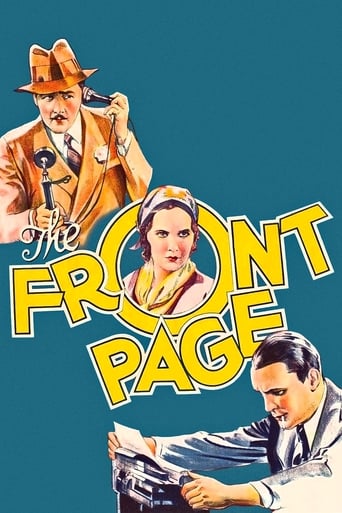
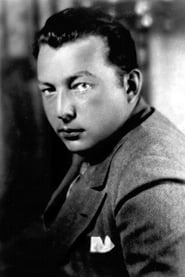
Lewis Milestone
Director
Born: September 30, 1895 in Chișinău, Russian Empire (now Chișinău, Moldova) Died: September 25, 1980 Active: 1910s-1960s Birth Name: Lev Milstein
Films
7 films
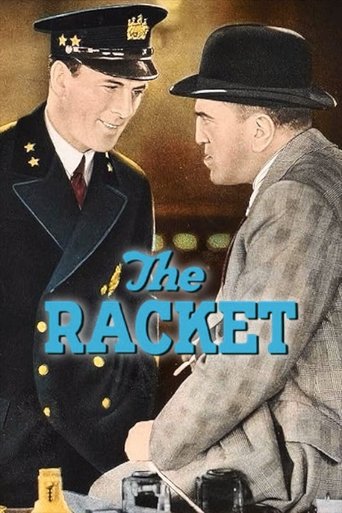
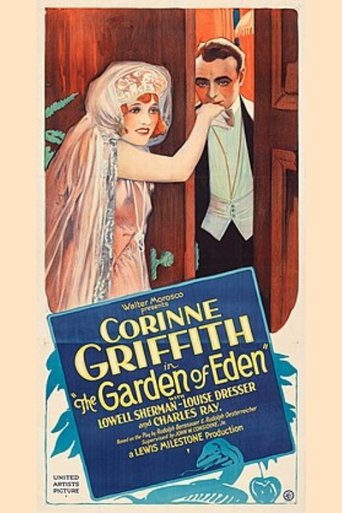
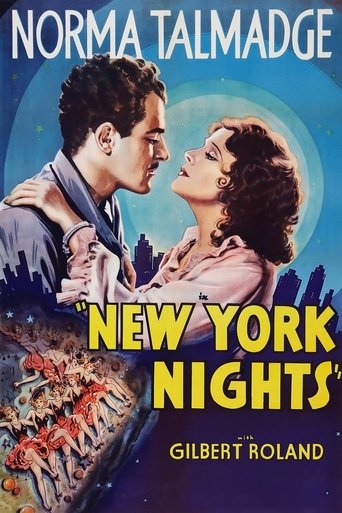
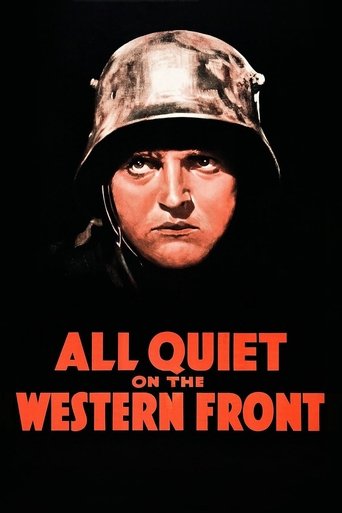
About Lewis Milestone
Russian-born American film director: career bridged the silent era and the classic studio age, and he became one of Hollywood’s most admired craftsmen for both intimate drama and large-scale spectacle. Born Lev Milstein in Kishinev, then part of the Russian Empire, he emigrated to the United States and eventually entered the film industry after working in a variety of early motion-picture jobs. He first gained notice in silent films with works such as The Racket and The Garden of Eden, but his international reputation was secured with All Quiet on the Western Front, a landmark antiwar film that remains pictures ever made. Throughout the 1930s and 1940s he directed a wide range of projects, including screwball comedy, adventure, melodrama, and war films, showing a remarkable flexibility that helped him remain a significant studio-era filmmaker. Milestone was known for his technically assured visual storytelling, his skill with ensemble casts, and his ability to balance realism with strong dramatic shaping. He also made several notable sound-era adaptations and prestige productions, including The Front Page and Of Mice and Men, both of which reinforced his reputation for handling literary material with cinematic force. Later in his career he continued working in Hollywood and on international productions, and his body of work left a durable mark on the way war, journalism, and social conflict were portrayed on screen.
The Craft
Behind the Camera
Milestone's directing style was marked by energetic visual movement, clean staging, and an unusually strong sense of ensemble rhythm. He was especially adept at handling large casts and complicated dramatic situations without losing clarity, which made him effective in war films, newsroom comedies, and literary adaptations alike. His work often blends realism with stylization: scenes can feel immediate and observational, yet they are shaped with careful blocking, dynamic camera movement, and precise editing. In his best-known films, he emphasized human behavior under pressure, allowing conflict to emerge naturally from group dynamics rather than relying only on melodramatic effect. He was also noted for a sophisticated sense of pacing, especially in dialogue-heavy material such as The Front Page, where timing and overlap are essential to the film's humor and momentum.
Milestones
- Directed All Quiet on the Western Front (1930),
- Earned widespread acclaim for The Front Page (1931), a fast-paced adaptation that became a benchmark for screen comedy and newsroom storytelling
- Received an Academy Award nomination for Best Director for All Quiet on the Western Front
- Directed The Racket (1928), an important late-silent crime drama associated with hard-boiled urban filmmaking
- Directed Of Mice and Men (1939), a respected literary adaptation of John Steinbeck's novel
- Helmed the ambitious wartime spectacle Edge of Darkness (1943), a major studio production during World War II
- Maintained a long career at major studios while working across genres including comedy, drama, war films, and literary adaptations
- Directed several well-regarded films in the early sound era that helped define the transition from silent cinema to talkies
Best Known For
Must-See Films
Accolades
Won
- Academy Award for Best Director for All Quiet on the Western Front was not won, but the film brought him major Academy recognition
- National Board of Review recognition for All Quiet on the Western Front
- International acclaim for All Quiet on the Western Front as one of the defining films of the early sound era
Nominated
- Academy Award nomination for Best Director for All Quiet on the Western Front (1930)
- Academy Award nomination for Best Picture for All Quiet on the Western Front (as director/producer association in the studio system context)
- Academy Award nominations associated with The Front Page and other productions under studio recognition contexts, though Milestone himself is most securely documented for his Best Director nomination
Special Recognition
- Widely regarded by film historians as one of the key directors of the early sound era
- Included in many canon discussions for All Quiet on the Western Front as a landmark achievement
- Honorary recognition through retrospectives and film-historical surveys rather than a single major lifetime medal or Hollywood Walk of Fame star
Working Relationships
Worked Often With
Studios
Why They Matter
Impact on Culture
Lewis Milestone had a major impact on the language of war films and the screen adaptation of socially serious literature. All Quiet on the Western Front helped establish the antiwar film as a serious dramatic form rather than a mere genre exercise, and its emotional force influenced how later generations depicted soldiers, battlefield trauma, and the futility of conflict. The Front Page shaped the screen newsroom comedy with its rapid-fire ensemble energy and has been repeatedly remade and referenced, confirming Milestone’s knack for orchestrating overlapping dialogue and controlled chaos. His films helped normalize a more sophisticated, literate style of studio filmmaking in which strong ensemble staging and narrative momentum could coexist with character-driven realism. Because he worked successfully in both the silent and sound eras, his career also illustrates the adaptability required of major directors during one of cinema’s most technologically disruptive transitions.
Lasting Legacy
Milestone’s legacy rests above all on his ability to combine commercial studio professionalism with a distinctly modern sensibility about war, institutions, and human behavior. All Quiet on the Western Front remains the title most closely associated with him, and it continues to be cited as one of the greatest films ever made, ensuring his place in the permanent history of world cinema. His other work, especially The Front Page and Of Mice and Men, shows that his importance was not limited to a single masterpiece: he was a durable interpreter of American drama, journalism, and literary material. Film historians value him as a director who could handle shifting tones, complex ensembles, and technical demands without sacrificing clarity or emotional impact. His career is also significant as part of the broader story of immigrant filmmakers who shaped classical Hollywood from behind the camera.
Who They Inspired
Milestone influenced later directors working in war cinema, newsroom comedies, and ensemble drama by demonstrating how to stage movement and dialogue with precision while keeping the audience oriented inside a crowded dramatic environment. His antiwar approach in All Quiet on the Western Front can be seen as a precursor to later humanistic war films that emphasize exhaustion, disillusionment, and the dehumanizing machinery of combat. Directors interested in adaptation also learned from his ability to translate highly verbal material into visually active cinema, especially in The Front Page. The film's balance of pace, wit, and controlled ensemble interaction became a model for later directors handling fast dialogue and group scenes. His work helped establish that studio-era directors could be both technically polished and socially serious without losing audience appeal.
Off Screen
Lewis Milestone was born Lev Milstein into a Jewish family in the Russian Empire and later immigrated to the United States, where he built his career in film. He was married more than once during his life, and his personal history reflects the instability and mobility common to many early Hollywood émigrés. Like many studio-era figures, he kept much of his private life out of the public eye, and most surviving accounts focus more heavily on his professional achievements than on his domestic affairs. He became a naturalized American and spent much of his adult life working in Hollywood, though he also took on projects outside the United States. His background as an immigrant and his early twentieth-century European origins are often noted as important to his perspective as a filmmaker.
Education
He received his early education in the Russian Empire before emigrating to the United States; formal film-school training is not associated with his career, and he was largely self-made through practical studio work and on-the-job experience in the early film industry.
Family
- Three spouses are generally noted in biographical sources, though dates vary by source
- One spouse was actress Kendall Lee (marriage dates vary by source)
- Other spouse names and dates are not consistently documented in readily available film-historical summaries
Did You Know?
- He was born Lev Milstein and later Americanized his name to Lewis Milestone.
- He is one of the key directors associated with the antiwar film tradition because of All Quiet on the Western Front.
- The Front Page is frequently cited as one of the best early sound comedies and.
- Milestone worked successfully in both silent films and talkies, a transition that challenged many directors of his generation.
- He directed a wide variety of genres, including crime films, comedies, literary adaptations, adventure stories, and war pictures.
- All Quiet on the Western Front won the Academy Award for Best Picture, while Milestone himself received a Best Director nomination.
- He was part of the wave of immigrant filmmakers who profoundly shaped classical Hollywood's style and professionalism.
- His career extended beyond his most famous early hits, but his 1930 and 1931 work remains the core of his historical reputation.
In Their Own Words
No reliably sourced quote from Lewis Milestone is widely established in standard reference works.
Frequently Asked Questions
Who was Lewis Milestone?
Russian-born American on YTB.my. He was one of the major directors of the silent and early sound eras, admired for his technical control, ensemble direction, and adaptation of literary material.
What films is Lewis Milestone best known for?
Titles linked here include All Quiet on the Western Front (1930), The Front Page (1931).
When was Lewis Milestone born and when did he die?
Born September 30, 1895; died September 25, 1980.
What awards did Lewis Milestone win?
He is most securely associated with an Academy Award nomination for Best Director for All Quiet on the Western Front, while the film itself won major Academy recognition including Best Picture. Beyond the Oscar context, he is also celebrated through film-historical acclaim and the enduring prestige of his most famous films.
What was Lewis Milestone's directing style?
His directing style combined strong visual movement, precise pacing, and careful ensemble staging. He was especially good at handling crowded scenes, fast dialogue, and emotionally serious material in a way that remained clear and engaging for audiences.
Why is Lewis Milestone important in film history?
He helped define the antiwar film with All Quiet on the Western Front and set a standard for newsroom comedy with The Front Page. His career shows how a director could move successfully from silent cinema into the sound era while maintaining artistic distinction.