Maude Eburne
Actor
Born: November 10, 1875 in Bronte, Ontario, Canada Died: October 15, 1960 Active: 1914-1951
Films
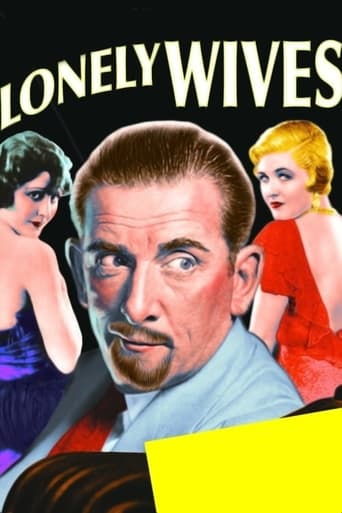
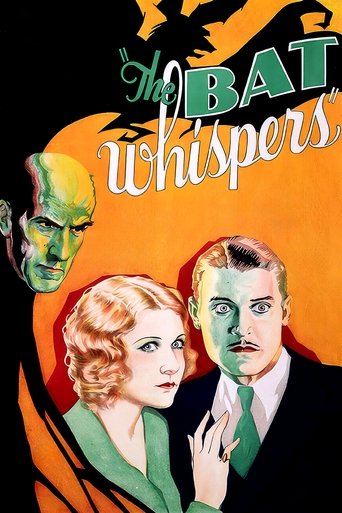
3 films
About Maude Eburne
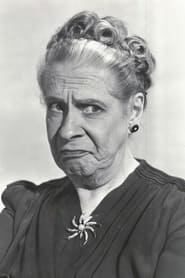
Canadian-born character actress who enjoyed a remarkably long and prolific career in Hollywood spanning from the silent era through the early 1950s. Born in Bronte, Ontario, she began her entertainment career on the stage before making her film debut in 1914. Eburne developed a specialty for playing eccentric, memorable supporting characters, often as housekeepers, spinsters, or comic relief figures. Her distinctive appearance, characterized by her sharp features and expressive eyes, combined with her unique vocal delivery and impeccable comic timing, made her a recognizable presence in dozens of films. She worked steadily through the transition from silent films to talkies, adapting her stage-honed skills to the new medium. Despite never achieving leading lady status, Eburne became one of Hollywood's most reliable character actresses, appearing in over 100 films throughout her career. Her performances ranged from light comedy to slightly sinister characters, showcasing her versatility and earning her a place as a beloved fixture of Golden Age Hollywood cinema.
The Craft
On Screen
Maude Eburne was known for her distinctive character portrayals, often playing eccentric spinsters, housekeepers, and comic relief figures. Her acting style combined sharp comedic timing with a unique vocal delivery that made her instantly recognizable. She had a particular talent for playing both humorous and slightly unsettling characters, using her expressive eyes and mannerisms to create memorable performances. Her stage background gave her a strong presence that translated well to both silent films and talkies, allowing her to adapt her techniques to the evolving medium of cinema.
Milestones
- Film debut in 1914 silent era
- Successful transition to talkies
- Over 100 film appearances
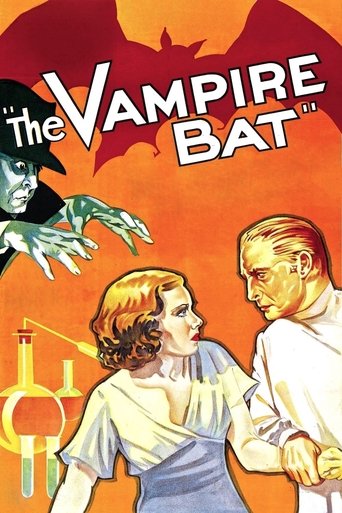
- Memorable role in 'The Vampire Bat' (1933)
- Appearance in classic 'The Women' (1939)
- Featured in 'The Philadelphia Story' (1940)
- Regular character actress throughout Golden Age
Best Known For
Iconic Roles
Must-See Films
Accolades
Special Recognition
- Hollywood Walk of Fame star (contributions to motion pictures)
Working Relationships
Worked Often With
Studios
Why They Matter
Impact on Culture
Maude Eburne contributed significantly to the development of the character actress archetype in Golden Age Hollywood cinema. Her consistent presence in films throughout the 1930s and 1940s helped establish the importance of supporting characters in creating rich, believable cinematic worlds. She represented the type of reliable, talented performer that studios depended on to flesh out their productions with memorable secondary characters. Her work in horror films like 'The Vampire Bat' helped establish conventions for eccentric supporting roles in the genre, while her appearances in sophisticated comedies like 'The Women' and 'The Philadelphia Story' demonstrated her versatility across different types of productions.
Lasting Legacy
Maude Eburne's legacy lies in her contribution to the art of character acting and her role in establishing the importance of supporting performers in classic Hollywood cinema. With over 100 film appearances, she represents the backbone of Golden Age filmmaking - the reliable character actors who brought depth and personality to countless productions. Her ability to create memorable characters with limited screen time influenced subsequent generations of character actors. Today, film historians and classic cinema enthusiasts recognize her as an exemplar of the dedicated supporting performer who, while never achieving star status, made invaluable contributions to the films she appeared in and helped define the look and feel of classic Hollywood cinema.
Who They Inspired
Eburne influenced character actors who followed by demonstrating how distinctive supporting roles could enhance a film's overall impact. Her technique of creating fully realized characters with minimal screen time became a model for character acting in Hollywood. Her successful transition from silent films to talkies provided a blueprint for other actors navigating the changing technology of cinema. Younger actors often learned from her professionalism and her ability to make the most of every scene, regardless of its length or importance to the main plot.
Off Screen
Maude Eburne maintained a relatively private personal life despite her long Hollywood career. She married fellow actor Charles R. P. Wilson in 1913, and their marriage lasted until his death in 1936. The couple had no children. Eburne was known for her professionalism and dedication to her craft, often working on multiple projects simultaneously during her busiest years. She lived in Hollywood for most of her career and remained active in the film community even as her roles became less frequent in the 1940s and early 1950s.
Education
Limited formal education, primarily trained through stage experience and theater work in Canada before moving to the United States
Family
- Charles R. P. Wilson (1913-1936)
Did You Know?
- Born in Bronte, Ontario, which is now part of Oakville, Ontario
- Began her career on stage in Canadian theater productions
- Made her film debut at age 39 during the silent era
- Appeared in both horror films and sophisticated comedies, showing remarkable range
- Worked steadily through the Great Depression when many actors struggled to find work
- Her distinctive appearance made her a popular choice for eccentric character roles
- Never received top billing but was often prominently featured in film credits
- Continued working into her 70s, rare for actresses of her era
- Was one of the few Canadian actresses to achieve long-term success in Hollywood during the Golden Age
- Her final film appearance was in 1951, marking a career spanning nearly four decades
In Their Own Words
As a character actress, I never needed to be the star - I just needed to make the star look better
Every role, no matter how small, deserves the same preparation and dedication
The secret to longevity in this business is being reliable and professional
Frequently Asked Questions
Who was Maude Eburne?
Screen credits include over 100 films from 1914 to 1951. She was known for playing eccentric supporting characters, particularly housekeepers, spinsters, and comic relief roles in Golden Age Hollywood films.
What films is Maude Eburne best known for?
Titles linked here include The Vampire Bat (1933), The Women (1939).
When was Maude Eburne born and when did she die?
Born November 10, 1875; died October 15, 1960.
What was Maude Eburne's acting style?
Eburne was known for her distinctive character portrayals featuring sharp comedic timing, unique vocal delivery, and expressive mannerisms. She specialized in eccentric roles and could balance both humor and subtle menace in her performances.
How long was Maude Eburne's career?
Maude Eburne's active years covered nearly four decades, from her film debut in 1914 through her final appearance in 1951. She successfully transitioned from silent films to talkies and worked consistently through the Golden Age of Hollywood.
Was Maude Eburne married?
Yes, Maude Eburne married fellow actor Charles R. P. Wilson in 1913. Their marriage lasted until his death in 1936, and they had no children together.
What made Maude Eburne memorable as an actress?
Eburne's memorable quality came from her distinctive appearance, unique voice, and ability to create fully realized characters in limited screen time. Her eccentric portrayals and consistent professionalism made her a reliable presence in Hollywood productions.