
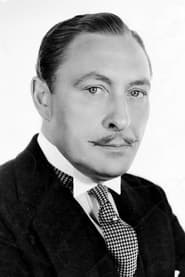
Lionel Atwill
Actor
Born: March 1, 1885 in Croydon, Surrey, England Died: April 22, 1946 Active: 1915-1946 Birth Name: Lionel Alfred William Atwill
Films
3 films
About Lionel Atwill
British character actor who became one of Hollywood's most recognizable faces during the Golden Age, particularly renowned for his sophisticated villain roles in horror films. Born into a wealthy family, he began his career on the London stage before making his film debut in British cinema during the silent era. Atwill transitioned to Hollywood in the early 1930s, where his aristocratic bearing, precise diction, and menacing presence made him a perfect fit for Universal's horror cycle. He became typecast as mad scientists, corrupt officials, and criminal masterminds, often appearing alongside horror legends Boris Karloff and Bela Lugosi. His career peaked in the late 1930s and early 1940s with memorable performances in films like 'Son of Frankenstein' and 'The Wolf Man.' In 1943, his career was significantly impacted by a scandal involving a rape accusation during a party at his home, leading to his blacklisting by major studios. Despite this setback, he continued working in smaller productions until his death from lung cancer in 1946, leaving behind a legacy as one of classic horror's most distinctive character actors.
The Craft
On Screen
Atwill was known for his aristocratic bearing, immaculate diction, and ability to convey menace through subtle gestures and controlled intensity. He specialized in playing sophisticated, educated villains with a cold, calculating demeanor that made his characters particularly menacing. His acting technique emphasized precision in movement and speech, often using his distinctive mustache and piercing eyes to create memorable villainous presences. Unlike many of his horror contemporaries, Atwill brought a theatrical refinement to his roles, making his mad scientists and criminal masterminds seem both cultured and terrifying.
Milestones
- London stage debut in 1908
- British film debut in 'The Joyless Street' (1925)
- Hollywood contract with Fox in 1932
- Breakthrough role in 'Doctor X' (1932)
- Iconic performance as Inspector Krogh in 'Son of Frankenstein' (1939)
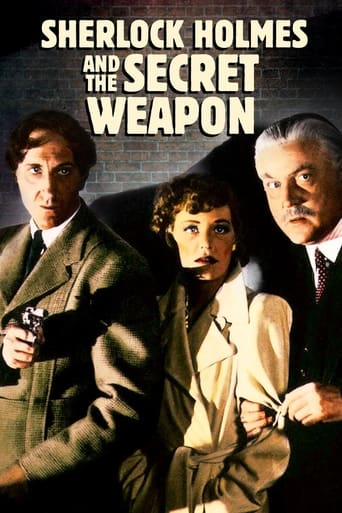
- Professor Moriarty in Sherlock Holmes series
- Final film 'The Lost Continent' (1955) released posthumously
Best Known For
Iconic Roles
Must-See Films
Accolades
Special Recognition
- Star on the Hollywood Walk of Fame (located at 6573 Hollywood Blvd)
Working Relationships
Worked Often With
Studios
Why They Matter
Impact on Culture
Lionel Atwill significantly shaped the horror film genre by establishing the archetype of the sophisticated, educated villain that contrasted with the more monstrous antagonists. His performances helped elevate horror films from simple monster movies to more psychologically complex thrillers, bringing theatrical refinement to the genre. Atwill's distinctive style influenced countless subsequent character actors who would play villains in horror and mystery films. His work in the Universal horror cycle contributed to creating some of the most enduring horror franchises in cinema history, and his portrayal of Professor Moriarty helped cement the character as Sherlock Holmes' definitive arch-nemesis in popular culture.
Lasting Legacy
Lionel Atwill remains. His contributions to the horror genre have ensured his continued relevance in film studies and classic cinema appreciation. Despite his career being cut short by scandal, his body of work continues to be celebrated through film festivals, home video releases, and academic study. Atwill's influence can be seen in subsequent generations of actors who have portrayed sophisticated villains, and his performances in Universal's horror films are frequently cited as examples of perfect casting in the genre. His star on the Hollywood Walk of Fame stands as a permanent tribute to his impact on cinema.
Who They Inspired
Atwill influenced subsequent generations of character actors, particularly those specializing in villainous roles. His refined approach to playing antagonists showed that villains could be both sophisticated and menacing, a technique adopted by many later actors. Horror film directors often referenced his performances when casting similar roles, and his portrayal of educated, cultured villains helped establish a template that would be used throughout the genre's evolution. Actors like Vincent Price and Christopher Lee later acknowledged the influence of Atwill's style in their own performances of sophisticated villains.
Off Screen
Lionel Atwill was married four times and had a reputation for being a sophisticated, cultured gentleman off-screen. His personal life was marked by both privilege and scandal, coming from a wealthy background but facing financial difficulties later in life. The 1943 scandal involving a rape accusation during a party at his home significantly damaged his reputation and career, though he was eventually acquitted. Despite his on-screen villainy, colleagues often described him as charming and professional, with a dry wit and theatrical manner that carried over from his stage background.
Education
Educated at Mercers' School and later studied acting under Herbert Beerbohm Tree at the Royal Academy of Dramatic Art in London
Family
- Phyllis Relph (1910-1919)
- Marlise Thams (1920-1931)
- Louise Crombie Brooks (1931-1943)
- Priscilla Bonner (1943-1946)
Did You Know?
- Was an accomplished stage actor before entering films, performing with the Royal Shakespeare Company
- Served as a captain in the British Army during World War I
- Had a distinctive scar on his upper lip that he often incorporated into his characters
- Was a skilled fencer and performed many of his own sword fights in films
- His distinctive mustache became so associated with his villainous roles that he grew it for most of his film career
- Was a licensed pilot and owned his own airplane
- Spoke multiple languages including French and German fluently
- His 1943 scandal was one of the first major Hollywood sex scandals to receive extensive media coverage
- Despite being typecast as villains, he was known for his gentlemanly behavior on set
- His final film 'The Lost Continent' was released nine years after his death
- Was a direct descendant of the Atwill family who owned the famous Atwill piano manufacturing company
- Often played characters with missing or artificial limbs, leading to the nickname 'The Man with the Fake Arm' among fans
In Their Own Words
'Evil is a point of view. God and Satan are fighting a war and man is the battlefield.' (as Dr. Niemann in House of Frankenstein)
'The line between genius and insanity is often very thin.' (frequently quoted in interviews about his horror roles)
'I find villainous roles much more interesting than heroes. Villains have more depth, more complexity.' (from a 1940 interview)
'Horror films are modern morality plays. We show the consequences of tampering with nature or God's domain.' (from a 1938 interview)
Frequently Asked Questions
Who was Lionel Atwill?
British character with credits in this catalog. With his aristocratic bearing and menacing presence, he created memorable characters as mad scientists, corrupt officials, and criminal masterminds in films like 'Son of Frankenstein' and 'The Wolf Man.'
What films is Lionel Atwill best known for?
Titles linked here include Son of Frankenstein (1939), The Wolf Man (1941).