
Dwight Frye
Actor
Born: February 22, 1899 in Salina, Kansas, USA Died: November 7, 1943 Active: 1928-1943 Birth Name: Dwight Iliff Frye
Films
1 film
About Dwight Frye
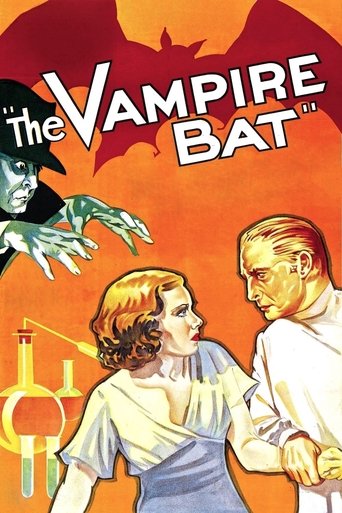
American character actor who became for his portrayals of mentally disturbed and sinister characters in Universal's classic horror films of the 1930s. Born in Salina, Kansas, he began his career on Broadway before transitioning to films with the advent of sound. His breakthrough came with his unforgettable performance as Renfield in Tod Browning's 'Dracula' (1931), where his manic laughter and bug-eating scenes created an indelible impression on audiences. He followed this success with another role as Fritz, the hunchbacked assistant in 'Frankenstein' (1931), cementing his status as horror cinema's premier character actor. Despite his talent, Frye struggled with typecasting and was often limited to similar roles throughout his career. Dwight appears in numerous other horror films including 'The Invisible Man' (1933), 'The Vampire Bat' (1933), and 'The Bride of Frankenstein' (1935). Tragically, his promising career was cut short when he died of a heart attack at age 44 while riding a bus in Hollywood, just as he was beginning to receive more substantial roles.
The Craft
On Screen
Frye developed a distinctive acting style characterized by intense physicality, wild-eyed expressions, and a high-pitched, nervous delivery that perfectly suited horror and thriller roles. He specialized in portraying characters on the edge of sanity, using subtle tics, nervous gestures, and a perpetually anxious demeanor to create memorable performances. His ability to convey both menace and vulnerability made him particularly effective as henchmen, madmen, and disturbed individuals.
Milestones
- Broadway debut in 'The Little Riddle' (1928)
- Breakthrough film role as Renfield in 'Dracula' (1931)
- Iconic performance as Fritz in 'Frankenstein' (1931)
- Memorable role as Karl in 'The Vampire Bat' (1933)
- Final film appearance in 'The Ghost of Frankenstein' (1942)
Best Known For
Iconic Roles
Must-See Films
Accolades
Special Recognition
- Posthumous star on the Hollywood Walk of Fame (2000)
Working Relationships
Worked Often With
Studios
Why They Matter
Impact on Culture
Dwight Frye's performances helped define the visual and psychological language of American horror cinema during its golden age. His portrayal of Renfield established the archetype of the crazed servant/vampire familiar that would influence countless subsequent horror films. The character of Fritz in 'Frankenstein' created the template for the mad scientist's assistant, a trope that became a staple of the horror genre. Frye's ability to evoke both sympathy and terror in his characters elevated horror acting beyond mere villainy, adding psychological depth to what were often considered B-movie roles.
Lasting Legacy
Dwight Frye remains. His face and performances have become iconic symbols of classic horror, frequently referenced in popular culture and homaged by later filmmakers. Horror enthusiasts and film scholars continue to celebrate his contributions to the genre, with many considering him the quintessential horror character actor of his era. His son, Dwight Frye Jr., worked to preserve his father's legacy through film preservation and appearances at horror conventions.
Who They Inspired
Frye's intense, physically expressive acting style influenced generations of horror actors who followed. His ability to create memorable characters with limited screen time demonstrated the importance of character actors in establishing the atmosphere and tone of horror films. The psychological complexity he brought to roles like Renfield helped elevate horror cinema from simple monster stories to more sophisticated explorations of madness and obsession. Modern horror actors often cite Frye's work as an inspiration for portraying disturbed or mentally unstable characters.
Off Screen
Dwight Frye married actress Laura Bullivant in 1928, and they had one son, Dwight David Frye Jr. Despite his success in horror films, Frye struggled financially due to the Great Depression and the limited nature of his roles. He was known as a kind, gentle man in real life, a stark contrast to the sinister characters he portrayed on screen. Frye was also a talented musician and composer who wrote several songs during his career.
Education
Attended the University of Kansas before moving to New York to pursue acting
Family
- Laura Bullivant (1928-1943)
Did You Know?
- Frye was originally a trained musician and could play piano, organ, and violin
- He was a close friend of Bela Lugosi, with whom he appeared in multiple films
- His distinctive laugh in 'Dracula' was so memorable that it was reused in other Universal horror films
- Frye was considered for the role of the Monster in 'Frankenstein' before Boris Karloff was cast
- He appeared in over 60 films during his 15-year career
- His son Dwight Frye Jr. Appeared in the 1979 film 'Nosferatu the Vampyre'
- Frye — Freemason and belonged to the Magnolia Park Lodge No. 432 in California
- He died of a heart attack while riding a bus on Hollywood Boulevard
- His final resting place is Forest Lawn Memorial Park in Glendale, California
- A street in Salina, Kansas, was named 'Frye Street' in his honor
In Their Own Words
I'm daffy and daft! Renfield's the name! I'm a servant of Dracula!
as Renfield in 'Dracula' (1931)
Master, I'm your humble servant. I'll do anything for you!
as Renfield in 'Dracula' (1931)
He's alive! He's alive! In the name of God! Now I know what it feels like to be God!
as Fritz in 'Frankenstein' (1931)
Rats, rats, rats! Thousands of them! Millions of them!
as Renfield in 'Dracula' (1931)
Frequently Asked Questions
Who was Dwight Frye?
American character with credits in this catalog. He became legendary for his portrayals of mentally disturbed and sinister characters, creating archetypes that would influence horror cinema for decades.
What films is Dwight Frye best known for?
Titles linked here include Dracula (1931), Frankenstein (1931).
When was Dwight Frye born and when did he die?
Born February 22, 1899; died November 7, 1943.
What awards did Dwight Frye win?
During his lifetime, Dwight Frye did not receive major industry awards, as character actors in the 1930s were often overlooked by award ceremonies. He was posthumously honored with a star on the Hollywood Walk of Fame in 2000, recognizing his significant contributions to cinema.
What was Dwight Frye's acting style?
Frye developed a distinctive acting style characterized by intense physicality, wild-eyed expressions, and a high-pitched, nervous delivery. He specialized in portraying characters on the edge of sanity, using subtle tics and nervous gestures to create memorable horror performances that balanced menace with vulnerability.
How did Dwight Frye influence horror cinema?
Frye's performances helped establish key archetypes in horror cinema, particularly the crazed servant and mad scientist's assistant. His psychologically complex portrayals elevated horror acting beyond simple villainy, influencing generations of character actors and helping define the visual language of American horror films.
Was Dwight Frye related to other famous actors?
No, Dwight Frye was not related to other famous Frye actors like Stephen Fry. He was married to actress Laura Bullivant and had one son, Dwight Frye Jr., who later appeared in films and worked to preserve his father's legacy.