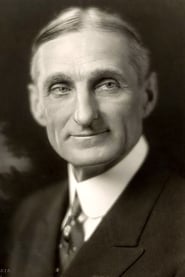
Edgar Norton
Actor
Born: August 7, 1868 in London, England Died: March 27, 1936 Active: 1922-1935
Films
5 films


About Edgar Norton
British character actor who found success in Hollywood during the transition from silent films to sound pictures. Born in London, he began his acting career on the British stage before emigrating to the United States in the early 1920s to pursue opportunities in the burgeoning film industry. Norton quickly established himself as a reliable supporting player, often cast in roles of authority figures such as butlers, aristocrats, and gentlemen. His the crucial transitional period of cinema, allowing him to appear in both silent masterpieces and early sound productions. Norton worked with some of the most prominent directors of his era, including Ernst Lubitsch and John Ford. His refined British demeanor and distinctive voice made him particularly valuable during the early talkie period when authentic accents were in high demand. Though never achieving leading man status, Norton's consistent presence in quality productions made him a recognizable face to movie audiences of the late 1920s and early 1930s.
The Craft
On Screen
Norton specialized in portraying dignified, upper-class characters with impeccable manners and refined speech. His acting style was rooted in traditional British theatrical training, emphasizing precise diction, controlled gestures, and an authoritative presence. In silent films, he used subtle facial expressions and body language to convey character, while in talkies, his distinctive accent and vocal delivery became his trademark. Norton often played butlers, aristocrats, doctors, and other professional roles that required an air of sophistication and reliability.
Milestones
- Transitioned successfully from silent films to talkies
- Worked with director Ernst Lubitsch on multiple occasions
- Appeared in Academy Award-winning films
- Established himself as a reliable character actor in Hollywood
- Maintained steady employment throughout the Great Depression
Best Known For
Iconic Roles
Must-See Films
Working Relationships
Worked Often With
Studios
Why They Matter
Impact on Culture
Edgar Norton represents the generation of classically trained British actors who helped legitimize Hollywood's transition to sound films. His presence in American cinema during the late 1920s and early 1930s contributed to the growing internationalization of Hollywood, bringing authentic British sensibility and theatrical tradition to American screens. Norton's career demonstrates how character actors served as the backbone of studio productions, providing the essential supporting performances that elevated leading stars and maintained production quality. His successful navigation from silent to sound cinema exemplifies the adaptability required of actors during this transformative period in film history.
Lasting Legacy
While not a household name, Edgar Norton's legacy lives on through his contributions to classic Hollywood cinema. He exemplifies the crucial role that character actors played in establishing the Golden Age of Hollywood, providing the depth and authenticity that made films of this era memorable. Norton's filmography serves as a valuable record of the types of supporting roles that defined Hollywood storytelling during the transition to sound. His career trajectory from British stage to American film mirrors the path taken by many actors of his generation who helped shape international cinema.
Who They Inspired
Norton influenced younger British actors seeking opportunities in Hollywood by demonstrating that character roles could provide a sustainable career. His professionalism and adaptability during the challenging transition from silent to sound films set an example for performers facing technological changes in the industry. Norton's success in portraying authentic British characters helped establish the market for British talent in American films, paving the way for future generations of British actors in Hollywood.
Off Screen
Private individual who maintained a separation between his professional and personal life. He married late in life and had no children. Norton was known among his colleagues as a consummate professional who arrived prepared and maintained a positive attitude on set. He was respected for his dedication to his craft and his willingness to help younger actors navigate the challenges of early sound cinema. Norton lived modestly despite his steady work in Hollywood, investing his earnings wisely to ensure financial security during his later years.
Education
Classical British theatrical training in London
Family
- Unknown (married in the 1930s)
Did You Know?
- Began his acting career at age 30 after initially working in business
- Was nearly 60 years old when he appeared in The Love Parade (1929)
- Spoke multiple languages, which helped him secure international roles
- Was one of the few British actors who successfully transitioned from silent to sound films without significant career interruption
- Often doubled as an acting coach for younger performers on set
- Maintained his British citizenship throughout his Hollywood career
- Was known for his extensive collection of theatrical memorabilia
- Retired from acting in 1935 due to declining health
- Passed away just one year after his final film appearance
- His stage experience spanned over two decades before entering films
In Their Own Words
The camera is a truthful instrument; it cannot be deceived by pretense.
In silent pictures, the eyes must do what the voice cannot.
A character actor's success is measured not in applause, but in the authenticity of his creation.
Frequently Asked Questions
Who was Edgar Norton?
British character with credits in this catalog.
What films is Edgar Norton best known for?
Titles linked here include The Student Prince in Old Heidelberg (1927), The Love Parade (1929).
When was Edgar Norton born and when did he die?
Born August 7, 1868; died March 27, 1936.
What awards did Edgar Norton win?
Despite his long career and numerous film appearances, Edgar Norton did not receive any major awards or nominations during his lifetime, which was common for character actors of his era.
What was Edgar Norton's acting style?
Norton's acting style was characterized by his classical British theatrical training, emphasizing refined diction, controlled gestures, and an authoritative presence that made him ideal for playing gentlemen, butlers, and other sophisticated characters.