

Virginia Bruce
Actor
Born: September 29, 1910 in Minneapolis, Minnesota, USA Died: February 24, 1982 Active: 1929-1954 Birth Name: Helen Virginia Briggs
Films
3 films
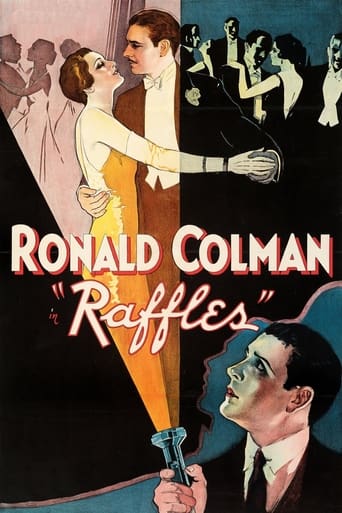
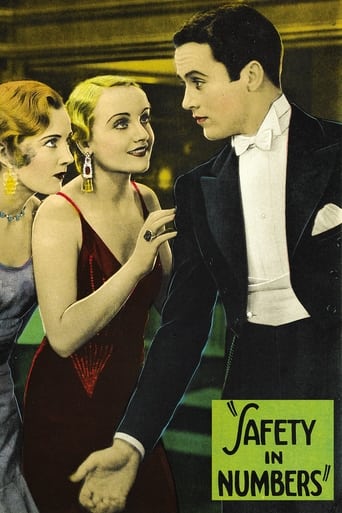
About Virginia Bruce
prominent Hollywood actress during the Golden Age of cinema — known for her elegant presence and versatile performances in musicals, comedies, and dramas. Born Helen Virginia Briggs, she began her career as a chorus girl before being discovered by MGM executives, leading to her film debut in the Academy Award-winning musical 'The Love Parade' (1929) starring Maurice Chevalier and Jeanette MacDonald. Throughout the 1930s, she established herself as a reliable leading lady at major studios, particularly excelling in sophisticated comedies and lavish musical productions. Bruce's career peaked during the mid-1930s with memorable roles in films like 'The Great Ziegfeld' (1936) and 'Born to Dance' (1936). She successfully transitioned from the early talkies era through the studio system's golden age, adapting her style to changing audience tastes. After her film career waned in the late 1940s, she found success on television and in stage productions. Bruce's three-decade the evolution of Hollywood from early sound films through the golden age and into the television era, making her a witness to and participant in cinema's most transformative period.
The Craft
On Screen
Virginia Bruce was known for her sophisticated and graceful screen presence, with a polished acting style that perfectly suited the elegant musicals and comedies of the 1930s. She possessed a natural charm and poise that translated well to the camera, combined with a versatile singing voice that made her ideal for early musical films. Her acting technique was characterized by subtle expressions and refined movements, reflecting the theatrical training common among actors of her generation. Bruce could effortlessly transition between comedic timing and dramatic moments, though she was particularly celebrated for her work in light romantic roles. Her delivery was crisp and articulate, making her well-suited for the technical demands of early sound recording.
Milestones
- Film debut in Academy Award-winning 'The Love Parade' (1929)
- Leading lady status at MGM in the 1930s
- Memorable performance in 'The Great Ziegfeld' (1936)
- Successful transition to television in the 1950s
- Star on Hollywood Walk of Fame
Best Known For
Iconic Roles
Must-See Films
Accolades
Won
- Star on Hollywood Walk of Fame (1988)
Special Recognition
- Hollywood Walk of Fame Star (6240 Hollywood Blvd)
Working Relationships
Worked Often With
Studios
Why They Matter
Impact on Culture
Virginia Bruce represented the transition from silent films to sound cinema, embodying the new type of actress needed for early talkies - those who could act, sing, and project sophistication. Her performances in early musicals helped establish the template for Hollywood musical leading ladies throughout the 1930s. As one of the few actresses who successfully navigated the technical challenges of early sound recording, Bruce contributed to the development of acting techniques specifically tailored for the microphone era. Her elegant screen persona influenced standards of beauty and sophistication during the Golden Age, helping define the ideal Hollywood leading lady of the 1930s. Her career longevity also demonstrated how actors could adapt to changing industry trends, from the studio system through the rise of television.
Lasting Legacy
Virginia Bruce's legacy lies in her contributions to early sound cinema and the Hollywood musical genre. She remains an important figure in film history as one of the actresses who successfully made the transition from silent to sound films. Her work in classics like 'The Love Parade' and 'The Great Ziegfeld' continues to be studied by film historians and enjoyed by classic cinema enthusiasts. Bruce represents the quintessential 1930s Hollywood star - glamorous, talented, and adaptable to the rapidly changing film industry. Her ability to maintain a successful career across different decades and media platforms (film, television, stage) serves as an example of professional longevity in the entertainment industry. Though not as widely remembered as some of her contemporaries, her body of work represents an important chapter in Hollywood's golden age.
Who They Inspired
Virginia Bruce influenced subsequent generations of musical film actresses through her polished technique and natural singing style. Her ability to balance comedy with romance set a standard for musical leading ladies that would be followed by stars like Judy Garland and Ann-Margret. Bruce's sophisticated screen presence helped establish the archetype of the elegant, witty Hollywood heroine that would dominate 1930s cinema. Her successful transition from film to television in the 1950s demonstrated career adaptability that would later become essential for entertainment industry professionals. Many actresses of the 1940s and 1950s cited Bruce as an influence for her graceful handling of both dramatic and musical material.
Off Screen
Virginia Bruce had a colorful personal life marked by three marriages and her connections to Hollywood's elite. Her first marriage to actor John Gilbert in 1932 was highly publicized, though it ended in divorce in 1934. She later married renowned director and producer John Houseman in 1937, with whom she had her only child, a daughter named Susan. This marriage also ended in divorce in 1940. Her third and final marriage was to Turkish film producer Ali Ipar in 1946, which lasted until her death in 1982. Bruce was known for her intelligence and wit, often described as one of Hollywood's more cultured actresses. She was fluent in multiple languages and maintained friendships with many of Hollywood's leading figures throughout her life.
Education
Attended North High School in Minneapolis, later studied drama and voice in New York City
Family
- John Gilbert (1932-1934)
- John Houseman (1937-1940)
- Ali Ipar (1946-1982)
Did You Know?
- Was discovered while working as a Broadway chorus girl
- Changed her professional name from Briggs to Bruce to avoid confusion with another actress
- Spoke fluent French, which helped in her early musical roles
- Was considered for the lead role in 'Gone with the Wind' before Vivien Leigh was cast
- Made her final film appearance in 1954's 'The Big Chase'
- Was a close friend of fellow actress Myrna Loy
- Served as a wartime entertainer during World War II
- Was an accomplished painter in her later years
- Her daughter Susan Houseman became a successful author
- Was one of the first actresses to successfully transition from film to television
In Their Own Words
Hollywood is a place where they'll pay you a thousand dollars for a kiss and fifty cents for your soul.
The secret to longevity in this business is adaptability - you have to change with the times or the times will change without you.
Being a star in the 1930s was different from today. We were part of a studio family, not independent brands.
Frequently Asked Questions
Who was Virginia Bruce?
Hollywood actress active from 1929 to 1954, best known for her roles in early musical films like 'The Love Parade' and 'The Great Ziegfeld'. She was a prominent leading lady during the Golden Age of Hollywood, particularly successful at MGM in the 1930s.
What films is Virginia Bruce best known for?
Titles linked here include The Love Parade (1929), The Great Ziegfeld (1936).
When was Virginia Bruce born and when did she die?
Born September 29, 1910; died February 24, 1982.
What awards did Virginia Bruce win?
Virginia Bruce received a Star on the Hollywood Walk of Fame in 1988, located at 6240 Hollywood Blvd. While she didn't receive major acting awards during her career, she was recognized for her contributions to the entertainment industry with this honor.
What was Virginia Bruce's acting style?
Virginia Bruce was known for her sophisticated and graceful screen presence, with a polished acting style that perfectly suited the elegant musicals and comedies of the 1930s. She possessed natural charm, refined movements, and a versatile singing voice that made her ideal for early musical films.