
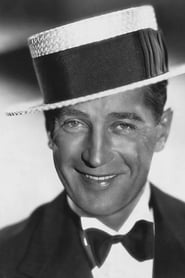
Maurice Chevalier
Actor
Born: September 12, 1888 in Paris, France Died: January 1, 1972 Active: 1901-1970 Birth Name: Maurice Auguste Chevalier
Films
2 films
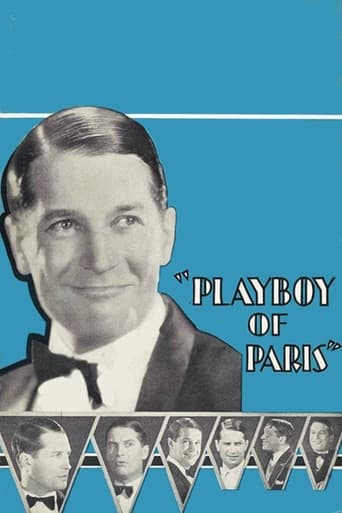
About Maurice Chevalier
French actor, singer, and entertainer who captivated audiences worldwide with his sophisticated charm and distinctive style. Born in Paris, he began his career in the city's vibrant music hall and cabaret scene before serving in World War I, where he was wounded and captured by German forces. After the war, he returned to entertainment and gained international fame when he was recruited by Hollywood during the transition to sound films. His breakthrough came with Ernst Lubitsch's 'The Love Parade' (1929), which established him as a major star and earned him his first Academy Award nomination. Throughout the 1930s, he became one of Paramount's highest-paid actors, starring in numerous musical comedies that showcased his suave persona and romantic appeal. After returning to France during World War II, he faced accusations of collaboration but was later cleared. His career experienced a remarkable resurgence in the 1950s, culminating in his acclaimed performance as Honoré Lachaille in 'Gigi' (1958), which earned him another Oscar nomination. He continued performing well into his 80s, becoming an enduring symbol of French elegance and charm in international cinema.
The Craft
On Screen
Chevalier was known for his sophisticated, charming persona characterized by a relaxed, conversational delivery style that made audiences feel personally addressed. His acting technique combined naturalistic French theatrical traditions with American film sensibilities, often breaking the fourth wall with direct addresses to the camera. He specialized in the romantic leading man archetype, embodying the archetype of the worldly, experienced gentleman with a twinkle in his eye. His physical comedy was subtle yet effective, utilizing his trademark straw hat and cane as props to enhance his performances. His distinctive French accent became an integral part of his screen persona, adding authenticity to his roles as continental sophisticates.
Milestones
- Starred in 'The Love Parade' (1929), his Hollywood breakthrough
- Received first Academy Award nomination for Best Actor (1929)
- Became Paramount's highest-paid star in early 1930s
- Returned to international fame with 'Gigi' (1958)
- Received Honorary Academy Award (1958)
- Performed at Carnegie Hall at age 71
- Published autobiography in 1970
Best Known For
Iconic Roles
Must-See Films
Accolades
Won
- Honorary Academy Award (1958)
- Golden Globe for Best Actor - Motion Picture Musical or Comedy (1958)
Nominated
- Academy Award for Best Actor - The Love Parade (1929)
- Academy Award for Best Actor - The Big Pond (1930)
- Academy Award for Best Supporting Actor - Gigi (1958)
Special Recognition
- Hollywood Walk of Fame Star (1960)
- Commandeur de la Légion d'honneur (France)
- Croix de Guerre (World War I service)
- Officier de l'Ordre national du Mérite
Working Relationships
Worked Often With
Studios
Why They Matter
Impact on Culture
Maurice Chevalier revolutionized the portrayal of European sophistication in American cinema, creating an archetype of the charming Frenchman that influenced Hollywood for decades. His success in early talkies helped establish the musical film as a viable genre, with his performances demonstrating how music and dialogue could be seamlessly integrated. He became a cultural ambassador for France, helping to heal post-war tensions between France and America through his films and public appearances. His distinctive style - the straw hat, cane, and debonair manner - became instantly recognizable worldwide and has been referenced and parodied in countless films and television shows. Chevalier's career demonstrated the growing international nature of cinema in the early 20th century, proving that foreign stars could achieve massive success in Hollywood without completely abandoning their cultural identity.
Lasting Legacy
Maurice Chevalier's legacy endures as one of cinema's most symbols of European elegance and charm. He pioneered the transition from silent films to talkies for international stars, proving that accents and foreign mannerisms could be assets rather than obstacles in Hollywood. His influence can be seen in later performers who cultivated sophisticated, continental personas, from David Niven to modern actors like Jean Dujardin. The songs he popularized, particularly 'Thank Heaven for Little Girls' from 'Gigi', remain standards in the Great American Songbook. Chevalier's career longevity - spanning seven decades and multiple entertainment mediums - set a precedent for performers' ability to reinvent themselves. His face remains an instantly recognizable image of classic Hollywood glamour, and his films continue to be studied for their role in establishing the musical comedy genre and their sophisticated approach to romance and comedy.
Who They Inspired
Chevalier influenced generations of performers through his unique blend of singing, acting, and personal charisma. His naturalistic style in early talkies provided a model for actors transitioning from silent films, showing how personality could transcend technical limitations. French performers who followed him to Hollywood, including Charles Boyer and Louis Jourdan, benefited from the path he blazed for European leading men. His approach to musical performance, treating songs as natural extensions of dialogue rather than production numbers, influenced the development of the integrated musical film. Directors like Ernst Lubitsch and Rouben Mamoulian developed their sophisticated comedy styles in part through their collaborations with Chevalier. Modern actors portraying continental characters often reference his work, either consciously or unconsciously, when developing their own interpretations of European sophistication.
Off Screen
Maurice Chevalier had a colorful personal life marked by several high-profile romances and a deep love for his native France. He never married but had a long-term relationship with dancer Yvonne Vallée from 1927 to 1933. During World War I, he was seriously wounded at the Battle of the Somme and spent two years as a prisoner of war in Germany. He was known for his patriotism and returned to occupied France during World War II, a decision that later caused controversy. In his later years, he lived in a house in Paris surrounded by his extensive collection of art and memorabilia from his career. He remained active in entertainment until shortly before his death from a heart attack at age 83.
Education
Left school at age 11 to work; informal training in Paris music halls and cabarets
Family
- Yvonne Vallée (1927-1933, unmarried relationship)
Did You Know?
- Was discovered by Parisian performer Mistinguett while working as a laborer
- Served in the French army during World War I and was awarded the Croix de Guerre
- His trademark straw hat was actually a prop he borrowed from a costume department and became his signature
- Spoke very little English when he arrived in Hollywood but learned phonetically
- Was one of the first foreign stars to achieve major success in American talkies
- His performance in 'Gigi' at age 70 earned him an Oscar nomination, one of the oldest nominees ever at that time
- Refused to perform for Nazi collaborators during WWII, which led to temporary suspension of his career
- His song 'Valentine' was the first French record to sell over a million copies
- Was a close friend of Albert Einstein and the two would meet regularly in Paris
- His voice was used in Disney's animated film 'The Aristocats' (1970) as the character 'Scat Cat'
- Made over 60 films across seven decades
- Was offered a Hollywood star in 1930 but declined, finally accepting one in 1960
In Their Own Words
Ah, yes! I remember it well.
Thank heaven for little girls, they grow up in the most delightful way!
In old age, one must be a bit of a diplomat.
I am not handsome, but when women hear my voice, they fall in love.
The secret of eternal youth is arrested development.
I prefer to be a has-been than a never-was.
A woman's mind is cleaner than a man's: she changes it more often.
Age is not a particularly interesting subject. Anyone can get old. All you have to do is live long enough.
Frequently Asked Questions
Who was Maurice Chevalier?
Renowned French with credits in this catalog. Known for his sophisticated charm, straw hat, and distinctive French accent, he starred in numerous musical films from the 1920s through the 1960s, most famously 'The Love Parade' and 'Gigi'.
What films is Maurice Chevalier best known for?
Titles linked here include The Love Parade (1929), Gigi (1958).
When was Maurice Chevalier born and when did he die?
Born September 12, 1888; died January 1, 1972.
What awards did Maurice Chevalier win?
Chevalier received three Academy Award nominations for Best Actor ('The Love Parade' and 'The Big Pond') and Best Supporting Actor ('Gigi'), and was awarded an Honorary Academy Award in 1958 for his contributions to entertainment. He also won a Golden Globe for 'Gigi' and received numerous French honors including the Legion of Honour.
What was Maurice Chevalier's acting style?
Chevalier's acting style was characterized by effortless sophistication, natural charm, and a conversational approach that made audiences feel personally connected. He specialized in romantic comedy with a continental flair, using his distinctive French accent and physical grace to create memorable characters. His style blended theatrical elegance with cinematic naturalism, making him uniquely suited for the transition from silent films to talkies.