
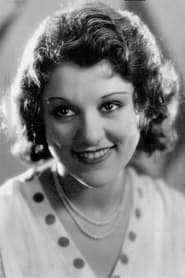
Lillian Roth
Actor
Born: December 13, 1910 in Boston, Massachusetts, USA Died: May 12, 1980 Active: 1917-1980
Films
3 films
About Lillian Roth
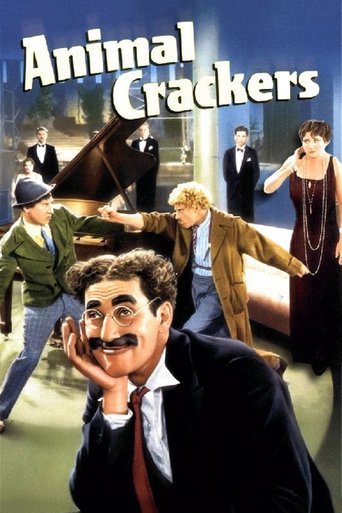
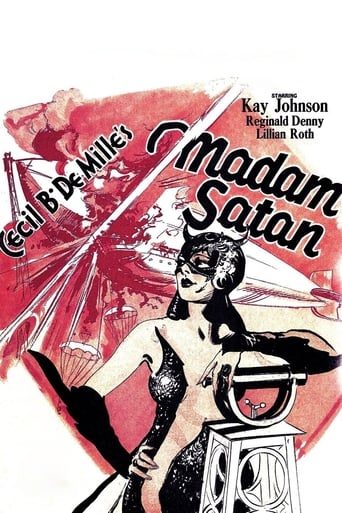
American actress and singer who began her career as a child prodigy in vaudeville, making her Broadway debut at just six years old. Her breakthrough came in 1929 when Paramount Pictures signed her to a contract, leading to her memorable role in Ernst Lubitsch's 'The Love Parade' opposite Maurice Chevalier. Throughout the early 1930s, she became one of Hollywood's most promising musical stars, appearing in films like 'Animal Crackers' with the Marx Brothers and 'Honey' (1930). However, her promising career was derailed by severe alcoholism following personal tragedies including her mother's death and tumultuous marriages. After more than a decade of struggle, she achieved sobriety in the early 1950s and made a remarkable comeback, writing her bestselling autobiography 'I'll Cry Tomorrow' in 1954, which was later adapted into a film starring Susan Hayward. She spent her final years as a motivational speaker and advocate for addiction recovery, becoming one of the first celebrities to openly discuss alcoholism and its treatment.
The Craft
On Screen
Roth was known for her energetic and emotionally expressive performances, combining vaudevillian showmanship with genuine vulnerability. Her acting style was particularly effective in musical roles where she could showcase her powerful singing voice and charismatic stage presence. She brought a unique blend of innocence and sophistication to her early film roles, while her later performances demonstrated remarkable depth and authenticity in portraying personal struggle and redemption.
Milestones
- Broadway debut at age 6 in 'The Little Whirlwind'
- Signed by Paramount Pictures in 1929
- Starred in 'The Love Parade' (1929)
- Appeared in 'Animal Crackers' with Marx Brothers (1930)
- Published bestselling autobiography 'I'll Cry Tomorrow' (1954)
- Film adaptation of autobiography released (1955)
- Television comeback in 1950s
- Became addiction recovery advocate
Best Known For
Iconic Roles
Must-See Films
Accolades
Won
- Hollywood Walk of Fame Star (1960)
Special Recognition
- Recognition from recovery organizations for advocacy work
- Bestselling author for 'I'll Cry Tomorrow'
- Pioneer in celebrity addiction recovery awareness
Working Relationships
Worked Often With
Studios
Why They Matter
Impact on Culture
Lillian Roth broke significant cultural taboos by being one of the first celebrities to openly discuss alcoholism and recovery. Her 1954 autobiography 'I'll Cry Tomorrow' and its subsequent film adaptation brought addiction and recovery into mainstream conversation during an era when such topics were largely taboo. She helped destigmatize alcoholism and demonstrated that personal redemption was possible, paving the way for future celebrities to speak candidly about their struggles with addiction and mental health.
Lasting Legacy
Roth's legacy extends far beyond her film performances to her role in addiction recovery awareness. Her story of falling from Hollywood grace and achieving redemption resonated with audiences and helped countless individuals struggling with similar issues. She remains an important figure in both Hollywood history and the broader cultural history of addiction recovery, demonstrating that personal setbacks can lead to meaningful contributions to society.
Who They Inspired
Roth's openness about her struggles influenced subsequent generations of celebrities to speak candidly about addiction and recovery. Her autobiography set a precedent for celebrity memoirs dealing with personal struggles, while her advocacy work helped establish recovery programs in the entertainment industry. Many later stars, including Drew Barrymore and Robert Downey Jr., followed her example in sharing their recovery stories publicly.
Off Screen
Roth's personal life was marked by significant challenges and triumphs. She was married four times, with her first marriage to Willis B. Sharp ending in divorce after just two years. Her mother, who had managed her early career, died in 1930, contributing to her descent into alcoholism. She struggled with addiction for over a decade before achieving lasting sobriety in the early 1950s. Despite having no children, she became a mother figure to many in recovery programs and dedicated her later life to helping others overcome addiction.
Education
Limited formal education due to early career start in show business
Family
- Willis B. Sharp (1932-1934)
- Edward C. F. 'Bud' Stoffel (1937-1942)
- Thomas B. Wallace (1945-1952)
- Vincent J. Yerman (1965-1970)
Did You Know?
- Made her Broadway debut at age 6 in 'The Little Whirlwind'
- Was discovered by Paramount while performing in 'The Little Show' on Broadway
- Her mother Katie was also a performer and managed her early career
- Earned $750 per week at the height of her early film career
- Struggled with alcoholism for over 15 years before achieving sobriety
- Her autobiography spent 28 weeks on The New York Times bestseller list
- Susan Hayward won an Oscar nomination for portraying her in 'I'll Cry Tomorrow'
- Appeared on 'The Tonight Show' and other popular TV programs during her 1950s comeback
- Spoke at recovery meetings and conferences well into her 60s
- Was one of the first women to speak openly about alcoholism in public forums
In Their Own Words
I learned that you can't run away from your problems. You have to face them head-on.
Sobriety isn't just about not drinking; it's about learning to live again.
My story isn't unique, except that I had the opportunity to tell it and perhaps help others.
The only thing worse than being talked about is not being talked about - but I learned there are things worse than both.
Recovery isn't a destination, it's a journey that lasts a lifetime.
Frequently Asked Questions
Who was Lillian Roth?
American actress and singer who rose to fame as a child performer in the 1920s and became a popular musical film star in the early 1930s. She is equally known for her remarkable comeback from alcoholism and her work as an addiction recovery advocate.
What films is Lillian Roth best known for?
Titles linked here include The Love Parade (1929), Animal Crackers (1930).
When was Lillian Roth born and when did she die?
Born December 13, 1910; died May 12, 1980.
What awards did Lillian Roth win?
While Roth didn't receive major Academy Awards, she earned a star on the Hollywood Walk of Fame in 1960 and received recognition from recovery organizations for her advocacy work. Her autobiography 'I'll Cry Tomorrow' was a bestseller and critically acclaimed.
What was Lillian Roth's acting style?
Roth was known for her energetic and emotionally expressive performances, particularly excelling in musical roles where she could showcase her powerful singing voice. Her style combined vaudevillian showmanship with genuine emotional vulnerability, making her especially effective in both comedic and dramatic musical numbers.
How did Lillian Roth overcome her alcoholism?
Roth achieved lasting sobriety in the early 1950s after years of struggling with alcoholism following personal tragedies. She found help through recovery programs and became an advocate, sharing her story through her bestselling autobiography and public speaking engagements.
What was Lillian Roth's impact on addiction awareness?
Roth — pioneer in openly discussing alcoholism in Hollywood, breaking taboos with her 1954 autobiography. Her willingness to share her struggles helped destigmatize addiction and paved the way for future recovery advocacy in entertainment, influencing countless individuals to seek help.