

Jeanette MacDonald
Actor
Born: June 18, 1903 in Philadelphia, Pennsylvania, USA Died: January 14, 1965 Active: 1929-1957 Birth Name: Jeanette Anna MacDonald
Films
2 films
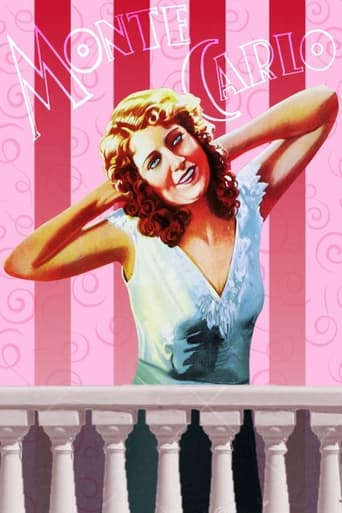
About Jeanette MacDonald
Jeanette MacDonald was musical film stars of the 1930s and 1940s, renowned for her soaring soprano voice and elegant screen presence. Born in Philadelphia in 1903, she began her career on Broadway before being discovered by Paramount Pictures for her film debut in 'The Love Parade' (1929), which catapulted her to instant stardom. Throughout the 1930s, she became MGM's highest-paid female star, creating a screen partnership with baritone Nelson Eddy in eight immensely popular operetta films. Her over two decades, encompassing more than 30 films, numerous radio appearances, and concert performances worldwide. Despite her glamorous image, MacDonald — disciplined performer who trained extensively in both classical singing and acting technique. She successfully transitioned from the early days of sound cinema through the Golden Age of Hollywood, leaving an indelible mark on the musical film genre. Her final years were marked by health challenges, though she continued performing until shortly before her death in 1965.
The Craft
On Screen
MacDonald was known for her sophisticated, aristocratic screen persona combined with exceptional vocal technique. Her acting style blended classical theatrical training with naturalistic film performance, creating an elegant and refined presence that suited the operetta genre perfectly. She possessed remarkable screen chemistry with her leading men, particularly Nelson Eddy, and could convey deep emotion through both her expressive face and powerful voice. Her performances were characterized by precise diction, graceful movement, and the ability to transition seamlessly between dialogue and song.
Milestones
- Film debut in 'The Love Parade' (1929) earning instant stardom
- Signed exclusive contract with MGM becoming their highest-paid female star
- Formed legendary screen partnership with Nelson Eddy in eight films
- Starred in the Technicolor blockbuster 'Maytime' (1937)
- Performed at the White House for President Franklin D. Roosevelt
- Successful concert tour across North America in the 1940s
- Final film appearance in 'The Sun Comes Up' (1949)
- Received star on Hollywood Walk of Fame in 1960
Best Known For
Iconic Roles
Must-See Films
Accolades
Won
- Academy Award nomination for Best Actress for 'The Love Parade' (1929)
- Photoplay Award for Most Popular Female Star (1936)
- Hollywood Walk of Fame Star (1960)
Nominated
- Academy Award for Best Actress for 'The Love Parade' (1929)
- Academy Award for Best Actress for 'The Merry Widow' (1934)
Special Recognition
- Star on Hollywood Walk of Fame at 6801 Hollywood Blvd
- Inducted into the Hollywood Hall of Fame
- Honored by the Metropolitan Opera Association
- Featured on US postage stamp in 1994 as part of Legends of Hollywood series
Working Relationships
Worked Often With
Studios
Why They Matter
Impact on Culture
Jeanette MacDonald revolutionized the musical film genre by bringing legitimate operatic technique to popular cinema, bridging the gap between high art and entertainment. Her success helped establish the musical as one of Hollywood's most profitable genres during the 1930s and 1940s. MacDonald and Eddy's films created a template for romantic musical partnerships that influenced countless subsequent films. Her recordings and films introduced millions of Americans to classical music and operetta, contributing to the cultural education of the general public. During World War II, her performances and recordings provided comfort and escapism for both civilians and troops.
Lasting Legacy
Jeanette MacDonald's legacy endures through her extensive film catalog, which continues to be shown on classic movie channels and preserved by film archives. She pioneered the concept of the classically trained singer in Hollywood musicals, setting a standard that few have matched. Her recordings remain popular among classical crossover enthusiasts, and her films are studied for their technical innovation in early sound cinema. The MacDonald-Eddy partnership is still regarded as one of cinema's greatest screen teams, their chemistry influencing romantic pairings for decades. Her impact on the musical film genre earned her recognition as.
Who They Inspired
MacDonald influenced generations of musical performers, from Kathryn Grayson to Julie Andrews, who similarly blended classical training with popular entertainment. Her technique of integrating song and narrative became standard in musical film production. The success of her operetta films paved the way for more sophisticated musical productions in Hollywood. Many later musical stars cited her as an inspiration for combining vocal excellence with screen charisma. Her approach to celebrity - maintaining dignity while connecting with audiences - became a model for later stars.
Off Screen
Jeanette MacDonald married actor Gene Raymond in 1937, and their marriage lasted until her death in 1965, despite rumors of turbulence. The couple frequently performed together in radio and stage productions, though they never appeared in films together. MacDonald was known for her charitable work, particularly supporting children's hospitals and war bond efforts during World War II. She maintained a close friendship with Nelson Eddy throughout her life, though their relationship remained professional despite public speculation. MacDonald — devout Christian Scientist and relied on her faith during her final illness.
Education
Attended West Philadelphia High School, studied voice with William S. Brady, trained in dance and dramatic arts at various Philadelphia studios
Family
- Gene Raymond (1937-1965)
Did You Know?
- Was discovered by a talent scout while performing in a Broadway production
- Her salary in 1937 was $300,000, making her Hollywood's highest-paid actress
- Had a four-octave vocal range and could sing in multiple languages
- Turned down the lead role in 'The Great Ziegfeld' (1936)
- Was a licensed pilot and owned her own airplane
- Her films saved MGM from bankruptcy during the Great Depression
- Recorded over 200 songs throughout her career
- Was offered a contract with the Metropolitan Opera but declined to focus on films
- Her wedding to Gene Raymond was a major Hollywood society event
- Suffered from heart problems in her later years, which contributed to her death
In Their Own Words
I'm not a movie star. I'm a singer who happens to be in movies.
The secret of success is to be ready when your opportunity comes.
I never wanted to be anything but a singer. The movies just came along.
When I sing, I feel that I am speaking directly to God.
My partnership with Nelson Eddy was pure magic - you can't create chemistry like that, it just happens.
Frequently Asked Questions
Who was Jeanette MacDonald?
Celebrated American actress and soprano singer who became one of the biggest musical film stars of the 1930s and 1940s. She was renowned for her operatic voice and elegant screen presence, starring in numerous successful musicals for MGM and other studios.
What films is Jeanette MacDonald best known for?
Titles linked here include The Love Parade (1929), Naughty Marietta (1935).
When was Jeanette MacDonald born and when did she die?
Born June 18, 1903; died January 14, 1965.
What awards did Jeanette MacDonald win?
MacDonald received an Academy Award nomination for Best Actress for 'The Love Parade' (1929) and won the Photoplay Award for Most Popular Female Star in 1936. She was honored with a star on the Hollywood Walk of Fame and was featured on a US postage stamp as part of the Legends of Hollywood series.
What was Jeanette MacDonald's acting style?
MacDonald was known for her sophisticated, aristocratic screen persona combined with exceptional classical vocal technique. Her acting style blended theatrical training with naturalistic film performance, creating an elegant presence perfect for operetta films, with remarkable screen chemistry and the ability to convey deep emotion through both acting and singing.
Did Jeanette MacDonald and Nelson Eddy have a romantic relationship?
Despite persistent rumors and their legendary screen chemistry, MacDonald and Eddy maintained they were only professional colleagues. Both were married to other people - MacDonald to actor Gene Raymond and Eddy to Ann Denitz - and both always denied any romantic involvement off-screen.
How did Jeanette MacDonald impact the musical film genre?
MacDonald revolutionized musical films by bringing legitimate operatic technique to popular cinema, bridging high art and entertainment. Her success helped establish the musical as one of Hollywood's most profitable genres, and her recordings introduced millions to classical music. The MacDonald-Eddy films created a template for romantic musical partnerships that influenced countless subsequent productions.