Hedwig Pauly-Winterstein
Actor
Born: July 20, 1879 in Berlin, Germany Died: November 27, 1962 Active: 1920-1923 Birth Name: Hedwig Pauly
Films
2 films
About Hedwig Pauly-Winterstein
German stage and screen actress: career bridged the late nineteenth-century theatrical tradition and the silent film era. Born in Berlin in 1879, she came from the world of German theater, where she established herself before moving into cinema in the early years of film production. Her screen work was concentrated in the silent era, and she is documented in films from the late 1910s through the early 1920s, including notable appearances in "Anna Boleyn" (1920) and "All for Money" (1923). Although she did not become an internationally famous screen star, she was part of the generation of experienced dramatic performers who lent prestige and theatrical discipline to Weimar-era filmmaking. Her career reflects the close relationship between German stage acting and early film acting, when seasoned performers were frequently recruited to elevate historical dramas and literary adaptations. She remained primarily identified with serious character roles rather than with celebrity stardom, and her contribution is best understood as part of the professional foundation of German silent cinema. She died in 1962 in Berlin, leaving behind a modest but historically significant screen legacy connected to one of the richest periods in German film history.
The Craft
On Screen
Hedwig Pauly-Winterstein was likely valued for a disciplined, stage-trained approach suited to silent cinema, where gesture, posture, and facial expressiveness carried dramatic meaning. As with many German actors of her generation, her style would have been grounded in theatrical clarity rather than modern naturalism, especially in historical or literary productions. Her screen persona appears to have been associated with mature, dignified supporting roles rather than romantic leads, suggesting a controlled and authoritative presence. Because surviving documentation is limited, specific technique details are scarce, but her casting indicates that she was trusted to convey emotional nuance within the expressive conventions of silent-era performance.
Milestones
- Established as a stage actress before transitioning to silent film
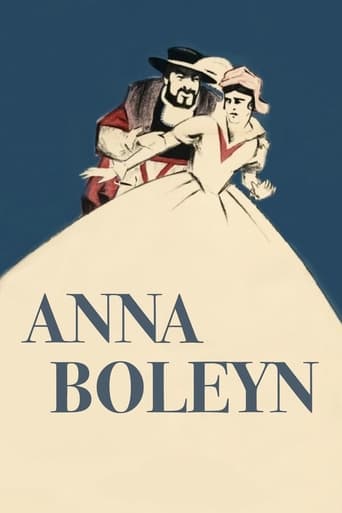
- Appeared in Ernst Lubitsch's historical epic "Anna Boleyn" (1920)
- Worked during the formative years of Weimar cinema, when theater-trained actors were in high demand for prestige productions
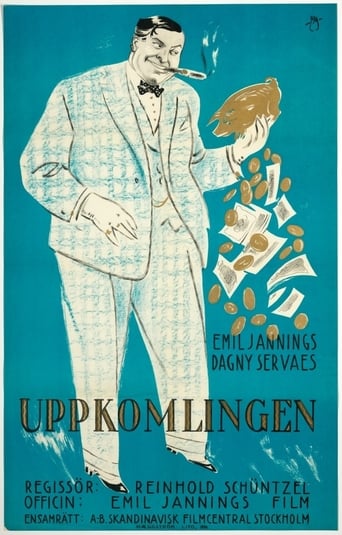
- Maintained a screen career in the early 1920s, including "All for Money" (1923)
- Represents the generation of seasoned German character actors who helped shape the tone of silent historical and dramatic films
Best Known For
Iconic Roles
Must-See Films
Working Relationships
Worked Often With
Studios
Why They Matter
Impact on Culture
Hedwig Pauly-Winterstein’s cultural impact lies less in celebrity fame than in her representation of the classically trained performers who helped define early German screen acting. Actors like her carried the authority of the stage into silent cinema, giving historical and literary films a sense of legitimacy at a time when the medium was still developing artistic prestige. Her participation in a major production such as "Anna Boleyn" connects her to one of the landmark films of the German silent era, a period widely regarded as foundational for international art cinema. Even when a performer’s individual name is not widely remembered by the general public, their work contributed to the texture and credibility of national cinema movements.
Lasting Legacy
Her legacy is that of a reliable and historically important supporting performer from the silent era whose career illustrates the transition from theater to film in early twentieth-century Germany. She is part of the broader constellation of actors who helped establish the performance standards of Weimar cinema, especially in costume dramas and prestige productions. While she does not appear to have accumulated major awards or enduring star status, her filmography preserves her place in classic cinema history. For researchers and enthusiasts of silent German film, she remains a useful example of how stage veterans enriched the silent screen with experience and dramatic polish.
Who They Inspired
Hedwig Pauly-Winterstein likely influenced the film culture of her time more through professional example than through documented direct mentorship. Her career demonstrates how established stage performers could adapt to the demands of silent film and support the growth of sophisticated national cinema. By appearing in historically ambitious productions, she helped normalize the presence of experienced theatrical actors in film, a practice that influenced casting traditions in Germany and elsewhere. Her work forms part of the lineage that later actors and historians study when examining performance styles in early European cinema.
Off Screen
Hedwig Pauly-Winterstein was part of the German theatrical world and is known to have used the hyphenated professional name Pauly-Winterstein. Publicly documented details about her private life are limited, which is common for many early twentieth-century European stage and screen performers whose fame remained largely professional rather than celebrity-based. Available biographical references identify her as a Berlin-born actress, but do not provide a richly documented account of marriages, children, or later-life activities beyond her death in Berlin in 1962. She appears to have lived through major transformations in German culture, including the Wilhelmine era, World War I, the Weimar Republic, and the postwar period.
Education
Specific educational records are not widely documented in available film reference sources, but her career strongly suggests formal or practical training in the German theatrical tradition before entering film.
Did You Know?
- She was born and died in Berlin, making her life closely tied to the German capital.
- Her professional surname was hyphenated, reflecting a stage identity rather than a simple family name.
- She worked in the silent era, so no synchronized sound performances are known from her film career.
- Her screen career appears brief in surviving filmographic records, concentrated in the early 1920s.
- "Anna Boleyn" is one of the landmark German historical films of the silent period, which places her within an important cinematic context.
- Many performers like Pauly-Winterstein moved from theater into film as German cinema expanded during the Weimar years.
- She is an example of a classic film performer whose historical importance outweighs her modern name recognition.
- Documentation on her private life is sparse, which is common for many early European actresses outside the major international star system.
Frequently Asked Questions
Who was Hedwig Pauly-Winterstein?
German stage and silent film actress active in the early 1920s. She is best remembered for appearing in notable Weimar-era productions such as "Anna Boleyn" (1920) and "All for Money" (1923).
What films is Hedwig Pauly-Winterstein best known for?
Titles linked here include Anna Boleyn (1920), All for Money (1923).
When was Hedwig Pauly-Winterstein born and when did she die?
Born July 20, 1879; died November 27, 1962.
What awards did Hedwig Pauly-Winterstein win?
No major awards or formal honors are readily documented for Hedwig Pauly-Winterstein in the standard film reference sources available. This is not unusual for early silent-era European performers, many of whom worked before modern award systems became established.
What was Hedwig Pauly-Winterstein's acting style?
As a stage-trained performer in silent cinema, her style would have depended on expressive gesture, facial nuance, and strong physical presence. She appears to have been cast in serious supporting roles, suggesting a controlled, dignified screen manner suited to historical and dramatic productions.
What is Hedwig Pauly-Winterstein's legacy in film history?
Her legacy lies in her contribution to the development of German silent cinema and in the broader tradition of stage actors who brought authority to early film. She is remembered as part of the professional foundation of Weimar-era screen acting, especially in prestige productions.