
Hans Brausewetter
Actor
Born: May 27, 1899 in Mönchengladbach, Germany Died: August 18, 1965 Active: 1923-1926
Films
3 films
About Hans Brausewetter
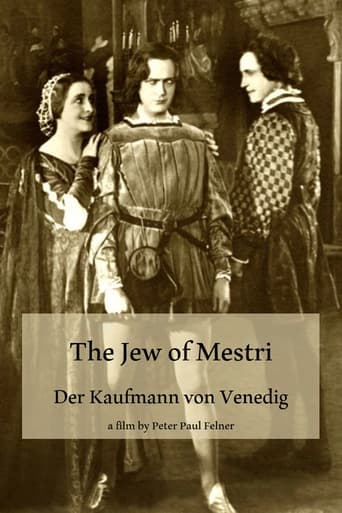
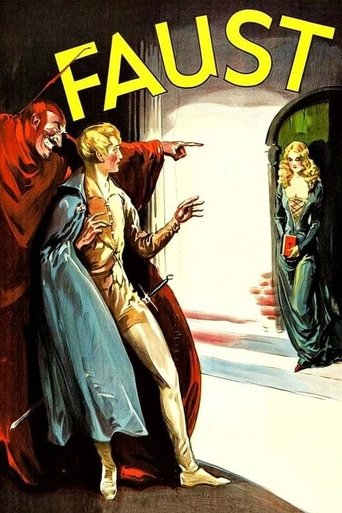
German actor who emerged during the golden age of German Expressionist cinema in the 1920s. Born in 1899, he began his film career during the height of the silent era, appearing in several notable German productions that showcased the artistic innovation of Weimar Republic cinema. His most significant role came in F.W. Murnau's masterpiece 'Faust' (1926), where he portrayed Valentin, Gretchen's brother, delivering a performance that embodied the dramatic intensity characteristic of German Expressionist acting. Brausewetter also appeared in 'The Jew of Mestri' (1923), among other silent films that have since become important artifacts of early German cinema. His acting style featured the exaggerated gestures and intense facial expressions required for silent film storytelling, while also incorporating the psychological depth favored by Expressionist directors. Though his film career was relatively brief and largely confined to the silent era, Brausewetter contributed to several works that have since been recognized as classics of world cinema. His performances helped define the visual and emotional language of German Expressionism, movements in film history. After the transition to sound in the late 1920s, like many silent film actors, Brausewetter's screen appearances diminished, though he continued to be remembered for his contributions to this pivotal era of cinema.
The Craft
On Screen
Brausewetter's acting style was quintessentially German Expressionist, characterized by dramatic physical gestures, intense facial expressions, and psychological depth. His performances emphasized emotional intensity and visual storytelling techniques essential to silent cinema. He employed the exaggerated movements and stylized delivery typical of Expressionist actors, while maintaining a sense of authenticity within the heightened reality of the films. His ability to convey complex emotions through physicality made him well-suited for the dramatic roles he portrayed during the silent era.
Milestones
- Breakthrough role in 'The Jew of Mestri' (1923)
- Memorable performance as Valentin in F.W. Murnau's 'Faust' (1926)
- Participation in German Expressionist cinema movement
- Collaboration with director F.W. Murnau
Best Known For
Iconic Roles
Must-See Films
Working Relationships
Worked Often With
Studios
Why They Matter
Impact on Culture
Hans Brausewetter contributed to the German Expressionist film movement, which had a profound impact on international cinema. His work in films like 'Faust' helped establish the visual and emotional vocabulary that would influence film noir, horror cinema, and psychological thrillers for decades to come. The Expressionist style, exemplified in performances like Brausewetter's, emphasized psychological states over realistic representation, a revolutionary approach that changed how filmmakers could convey emotion and meaning through visual means. His participation in these groundbreaking films helped cement Germany's reputation as a cinematic innovator during the 1920s, a legacy that continues to influence filmmakers worldwide.
Lasting Legacy
Though his career was brief, Hans Brausewetter's legacy endures through his contributions to classic German Expressionist cinema. His performance in 'Faust' remains part of. As a representative actor of the Expressionist movement, Brausewetter helped define an acting style that prioritized psychological truth and emotional intensity over naturalistic performance. His work serves as an important example of how silent film actors used physicality and expression to create compelling characters without dialogue, a skill that demonstrates the artistry and craftsmanship of early cinema.
Who They Inspired
While Hans Brausewetter may not have directly mentored other actors, his performances in German Expressionist films influenced subsequent generations of actors working in psychological dramas and horror films. The dramatic intensity and emotional expressiveness characteristic of his work can be seen in the performances of actors in film noir and psychological thrillers of later decades. His contribution to the visual language of cinema, particularly in how actors could convey complex psychological states through physical performance, helped establish techniques that continue to be relevant in contemporary acting, especially in genres that emphasize mood and atmosphere over realism.
Off Screen
Hans Brausewetter was born in Mönchengladbach, Germany, in 1899, during the final years of the German Empire. He came of age during the turbulent Weimar Republic period, which coincided with an explosion of artistic creativity in German cinema. Like many actors of his generation, his career was shaped by the unique cultural and political circumstances of post-World War I Germany. He lived through the transition from silent to sound cinema, a period that proved challenging for many actors specialized in silent film performance. Brausewetter spent his later years in West Berlin, where he died in 1965, having witnessed the dramatic transformations in German society and cinema over nearly seven decades.
Did You Know?
- Part of the German Expressionist film movement of the 1920s
- Worked with legendary director F.W. Murnau on 'Faust'
- His film career coincided with the golden age of German silent cinema
- Appeared in 'Faust' during the same year as other silent classics like 'Metropolis'
- German Expressionist films he appeared in influenced the horror and film noir genres
- Like many silent actors, his career declined with the advent of sound films
- His performance style required mastery of physical expression without dialogue
- Worked during the culturally vibrant but politically unstable Weimar Republic period
Frequently Asked Questions
Who was Hans Brausewetter?
German with credits in this catalog. He gained particular recognition for his performance as Valentin in F.W. Murnau's classic 'Faust' (1926) and appeared in 'The Jew of Mestri' (1923). His acting style exemplified the dramatic, expressive techniques characteristic of German Expressionist cinema.
What films is Hans Brausewetter best known for?
Titles linked here include Faust (1926), The Jew of Mestri (1923).
When was Hans Brausewetter born and when did he die?
Born May 27, 1899; died August 18, 1965.
What awards did Hans Brausewetter win?
There are no documented awards or honors specifically recorded for Hans Brausewetter. This was not uncommon for actors of the silent era, particularly those working primarily in European cinema, as many of today's major film awards had not yet been established during his active years.
What was Hans Brausewetter's acting style?
Hans Brausewetter's acting style was quintessentially German Expressionist, characterized by dramatic physical gestures, intense facial expressions, and psychological depth. His performances emphasized emotional intensity and visual storytelling techniques essential to silent cinema, using exaggerated movements and stylized delivery to convey complex emotions without dialogue.
How did Hans Brausewetter influence cinema?
Hans Brausewetter contributed to the German Expressionist movement that had a profound influence on international cinema, particularly film noir and psychological thrillers. His work helped establish visual and emotional techniques that would be emulated by filmmakers for decades. The expressive acting style he exemplified demonstrated how physical performance could convey psychological states, influencing approaches to acting in atmospheric and dramatic genres.